
You are here:HOME > PRODUCT > Auto punching machine >
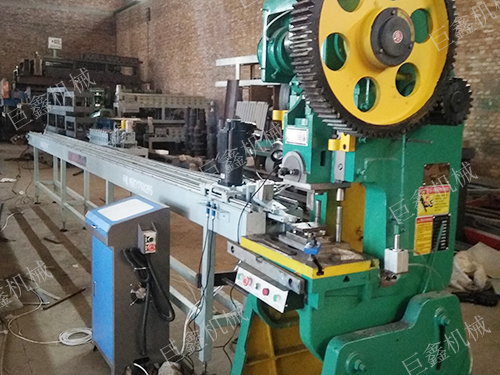
Automatic feeder
13803170595

In the field of metal cold bending processing, the accuracy and stability of the feeding process directly affect the quality of the final product. As an important component of the tile pressing equipment production line, the automatic feeding machine undertakes the task of orderly and accurately conveying raw metal coils to the forming host. The application of this device aims to optimize the material handling process in the production process, providing a basic guarantee for achieving continuous and efficient processing operations.
Equipment Structure and Operating Mechanism
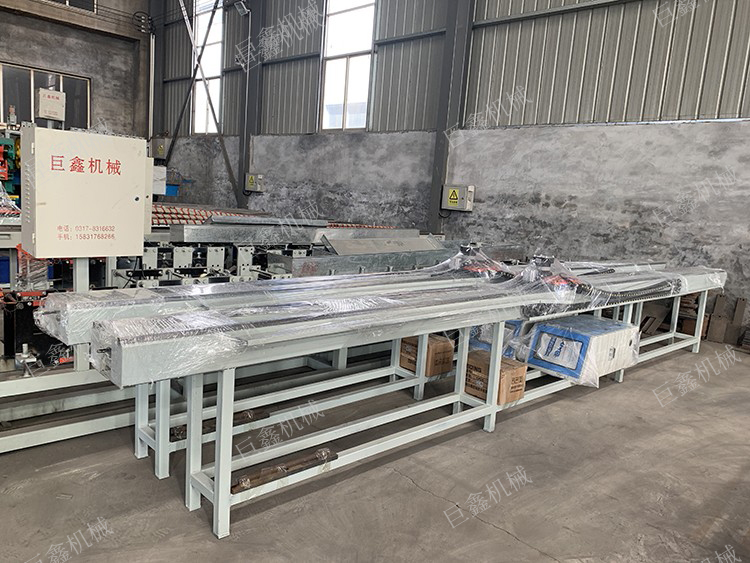
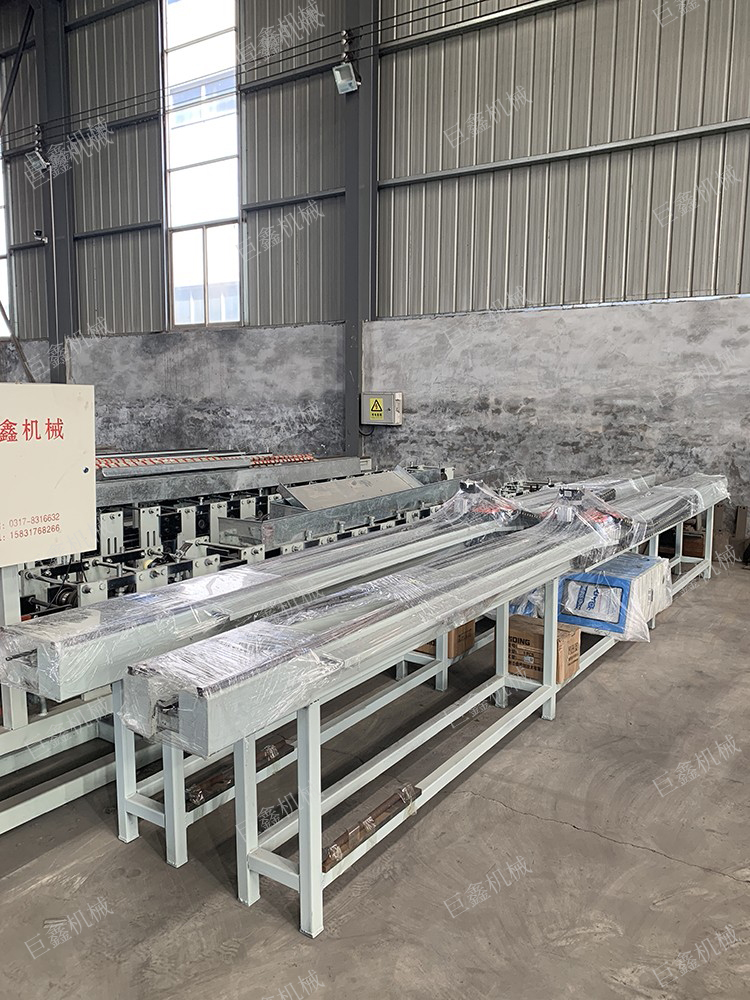
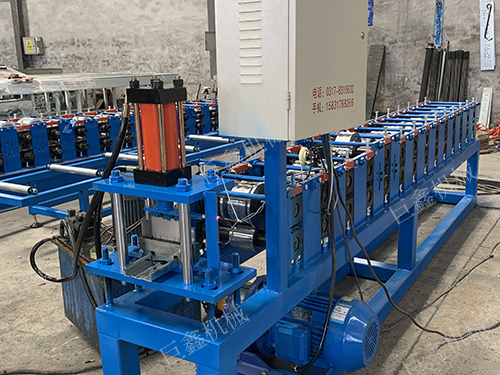
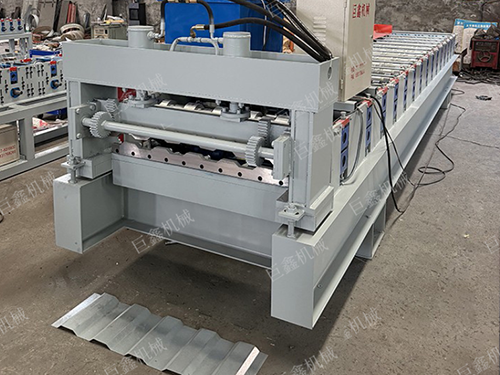
The structural design of automatic feeding machines usually revolves around two core aspects: "smooth conveying" and "accurate positioning". The main body of the equipment is generally composed of a load-bearing frame, a conveyor roller, a guiding mechanism, and a power system. During work, the metal coil is unfolded by the feeding device and enters the conveying area of the feeder. By driving the roller conveyor to rotate with a motor and utilizing friction to move the sheet forward, it is continuously fed into the rolling station of the tile press.
To achieve precise feeding, some feeding machines also integrate auxiliary positioning functions. For example, by setting movable baffles or side push devices, the edges of the sheet can be sorted during the feeding process, correcting deviations caused by rolling or conveying vibrations, and ensuring that the material entering the forming host has a correct angle and uniform position. This pre calibrated process helps to improve the dimensional consistency during subsequent compression molding.
Automation and adaptability
Modern automatic feeding machines emphasize coordination and synchronization with the action of the tile pressing host. The equipment is equipped with a programmable control system that can automatically adjust the feeding rate and intermittent time according to the operating speed and processing cycle of the host. This linkage control mode enables tight connection between feeding, forming, cutting and other processes, reducing production downtime or material waste caused by manual operation errors.
In addition, the parameters of the feeding machine need to have a certain degree of adjustability for metal sheets of different specifications and materials. The equipment can adapt to changes in board width and thickness within a certain range, by adjusting the guide gap or replacing some roller components, to meet the needs of diversified production orders. This adaptability enables the production line to quickly switch between different types of tile products.
Comprehensive value in the production line
As the first process of the tile pressing production line, the smooth operation of the automatic feeder has an impact on the efficiency of the entire production line. Automated feeding has replaced traditional manual dragging and feeding methods, reducing the labor intensity of operators in heavy manual handling processes. At the same time, continuous and stable feeding can ensure that the tile press machine operates at a constant tension and speed, which is conducive to reducing product defects caused by feeding fluctuations and improving the stability of product yield and batch quality.
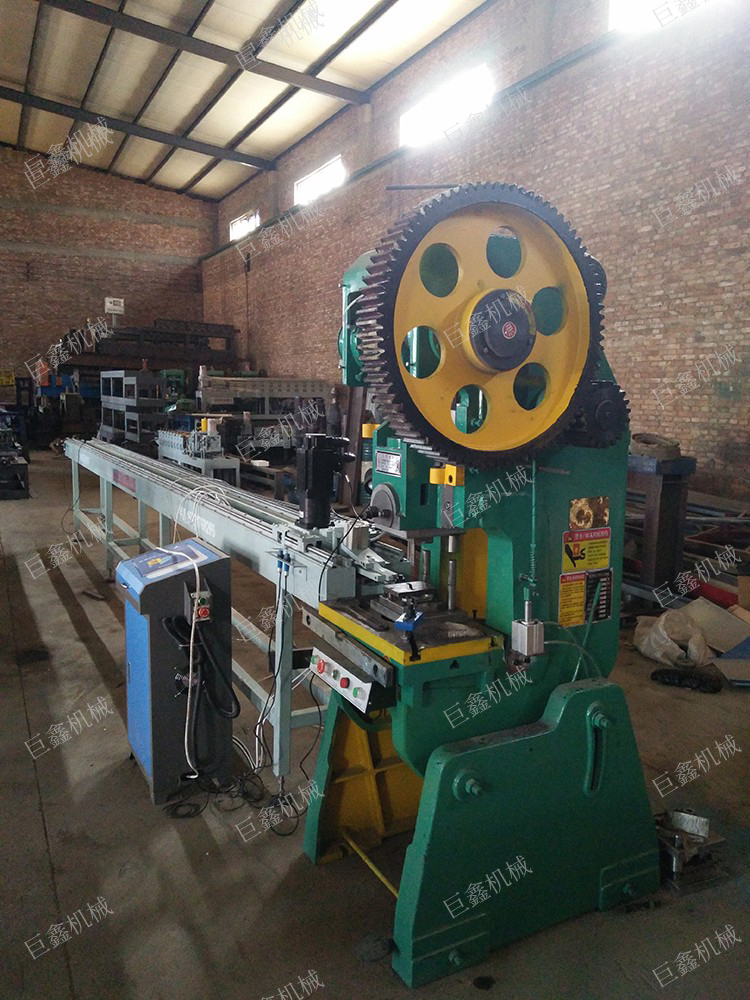
1. The device is 6.8 meters long, 0.5 meters wide, and 1 meter high
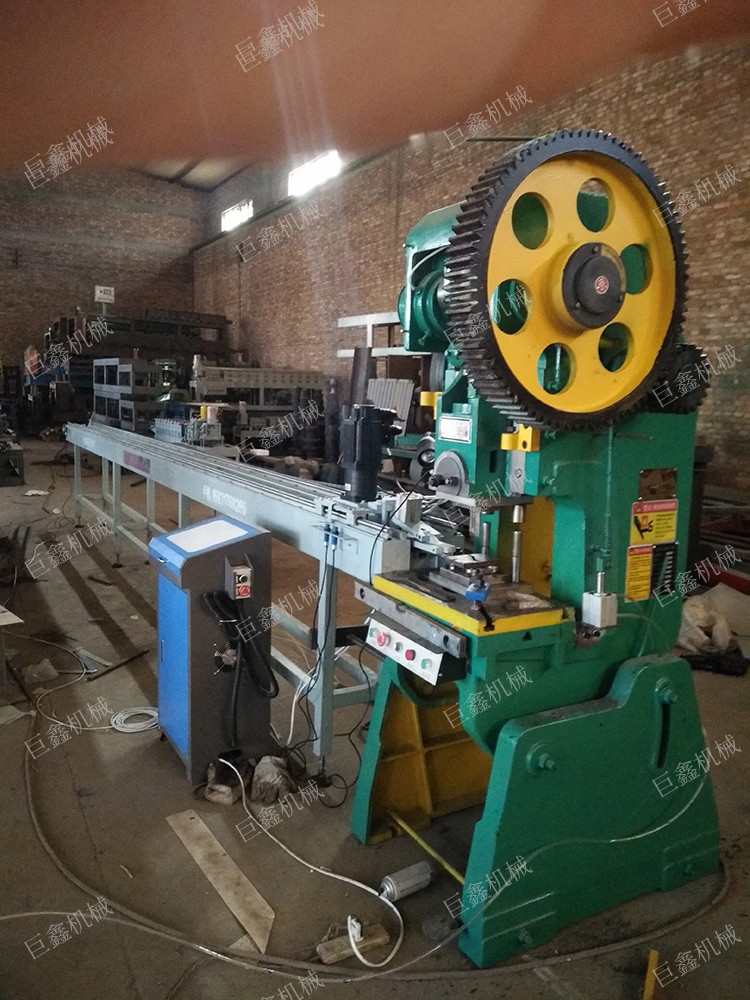
2. Adopting a double wheel enlarged stroke 25 ton punch press, the casting frame is finely polished.
3. The punching machine adopts a pure copper core motor
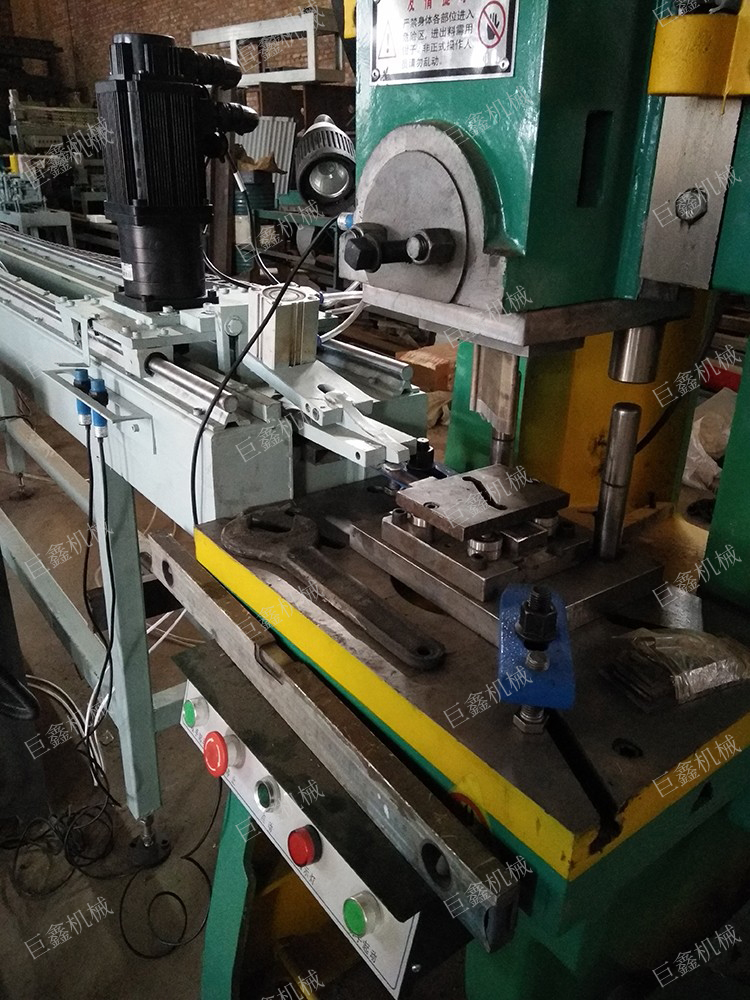
4. The feeding system adopts Taiwan YYC rack and Shanghai Jingbo linear guide rail
5. Adopting Hangzhou Riding servo motor drive system, with accurate precision, high efficiency, and adjustable hole spacing.
6. Xinjie 7-inch LCD touch screen