
You are here:HOME > PRODUCT > Auto punching machine >
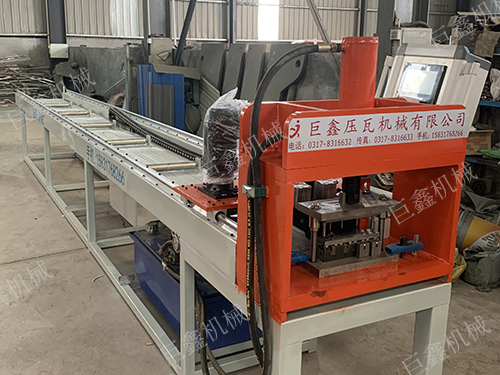
Hydraulic punching machine
13803170595

1. Product Overview
Hydraulic punching machine is a specialized equipment that uses a hydraulic system as a power source to apply punching force to metal materials through a mold, thereby machining the required holes on the workpiece. Compared with traditional mechanical stamping, hydraulic punching machines have the characteristics of high punching force, smooth operation, and low noise, which can adapt to the punching needs of thicker materials and larger apertures. In industries such as steel structure manufacturing, power fittings processing, hardware products, pipe processing, and building accessories, hydraulic punching machines are one of the commonly used equipment to complete the drilling process.
This equipment can be used independently to manually punch single or small batch workpieces, or can be combined with feeding mechanisms and positioning devices to form semi-automatic or fully automatic punching production lines, achieving continuous and batch processing. According to different structural forms, hydraulic punching machines can be divided into single station, double station, and multi station types, and users can choose the corresponding configuration according to their processing needs.
2、 Working principle
The working process of a hydraulic punching machine mainly consists of three stages: clamping, punching, and return. When working, first place the workpiece to be processed on the workbench or in the mold positioning slot, and determine the punching position through the positioning device. After starting the equipment, the hydraulic system supplies oil to the upper chamber of the hydraulic cylinder, and the piston moves downward under the action of oil pressure, driving the upper die (punch) to quickly approach the workpiece. When the punch contacts the workpiece, the system pressure gradually increases, and the punching force also increases until the material is sheared and separated, forming the desired shape of the hole. After punching is completed, the hydraulic system switches the oil circuit, oil enters the lower chamber of the hydraulic cylinder, and the piston drives the punch to return upward to the initial position, completing one working cycle.
In terms of hydraulic control, equipment is usually equipped with hydraulic components such as relief valves, one-way valves, and electromagnetic directional valves, which are used to regulate system pressure, control oil flow direction, and maintain oil circuit stability. Some models use a combination of hydraulic and pneumatic control, with clamping action completed by cylinders and punching action completed by hydraulic cylinders. The two are coordinated and linked through an electrical system, ensuring the reliability of clamping and improving operational efficiency. For scenarios where multiple different apertures need to be machined on the same workpiece, it can be achieved by changing the mold or using a multi station structure.
3、 Structural composition
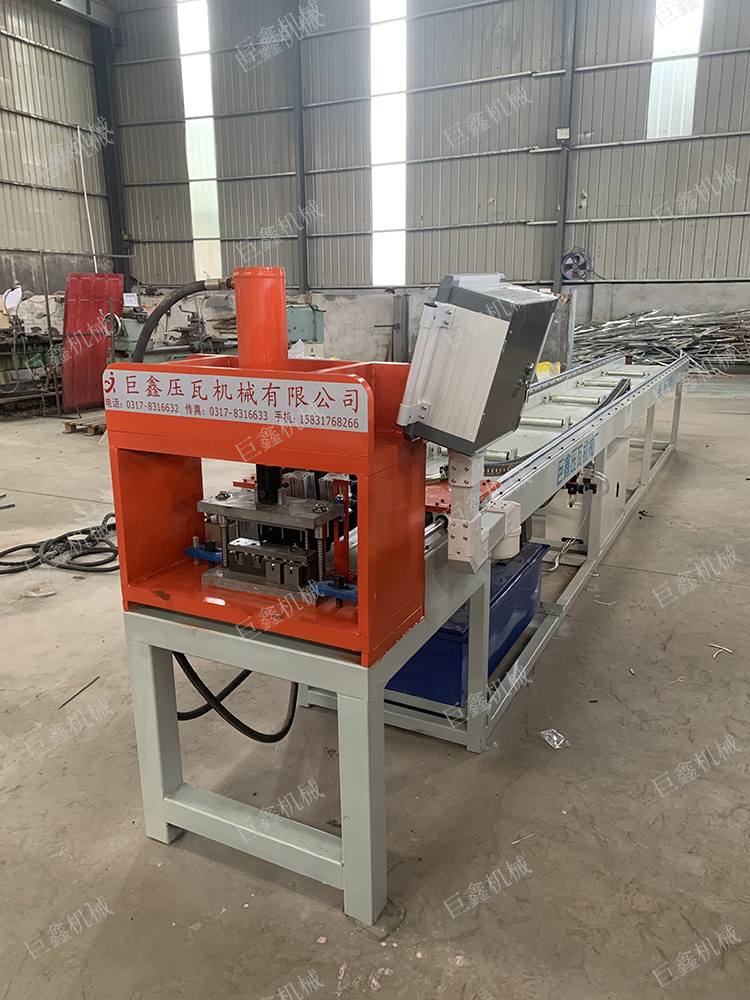
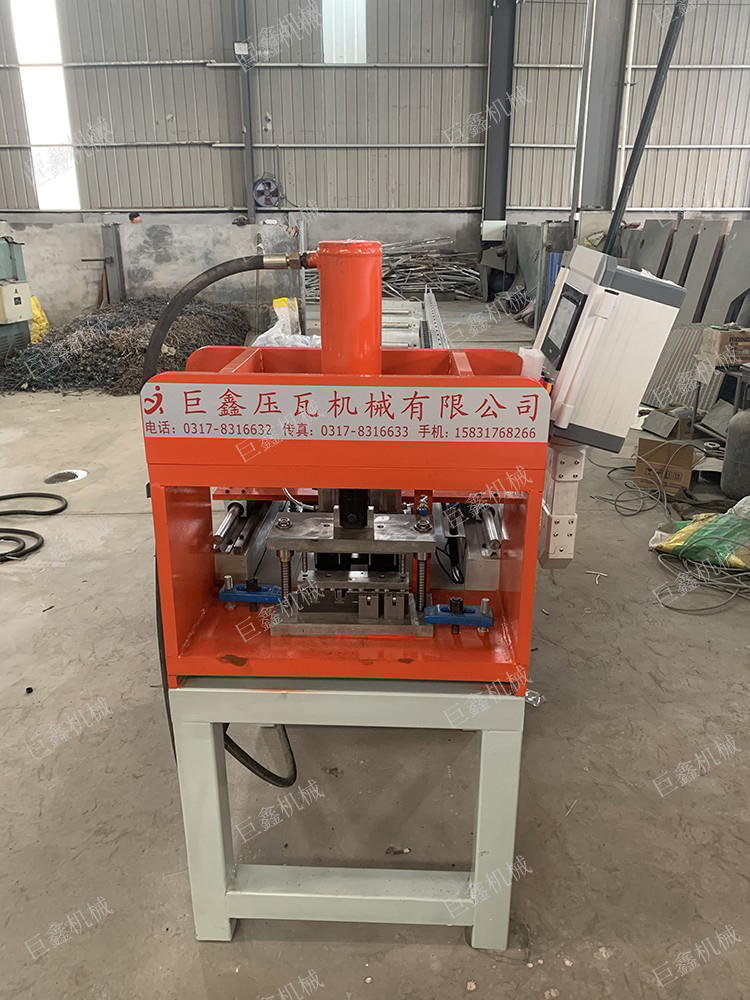
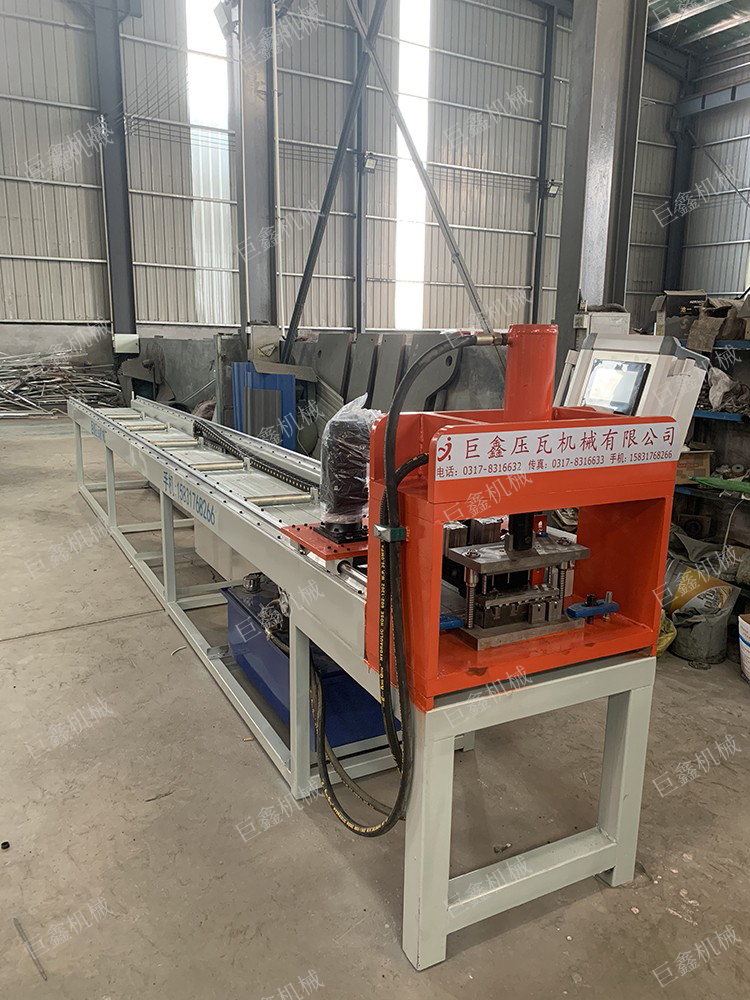
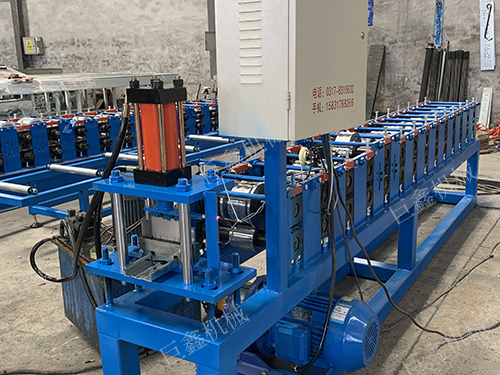
The hydraulic punching machine is mainly composed of six parts: body, hydraulic system, punching mold, worktable, control system, and safety protection device.
The body of the aircraft is usually cast as a whole or welded with thick steel plates. After aging treatment to eliminate internal stress, it has good rigidity and deformation resistance, and can withstand the huge reaction force generated during the punching process. The upper part of the fuselage is equipped with hydraulic cylinders, the middle part is set with a mold mounting seat, and the lower part is a workbench. The overall structure is compact and the force is reasonable.
The hydraulic system is the power core of the equipment, including hydraulic pumps, electric motors, oil tanks, hydraulic cylinders, valve groups, and pipelines. The hydraulic pump converts the mechanical energy of the electric motor into hydraulic energy, controls the pressure, flow rate, and direction of the oil through a valve group, and drives the hydraulic cylinder to complete reciprocating motion. The oil tank is used to store hydraulic oil and also serves as a heat sink. Some models are equipped with a cooler to prevent excessive oil temperature caused by prolonged continuous operation.
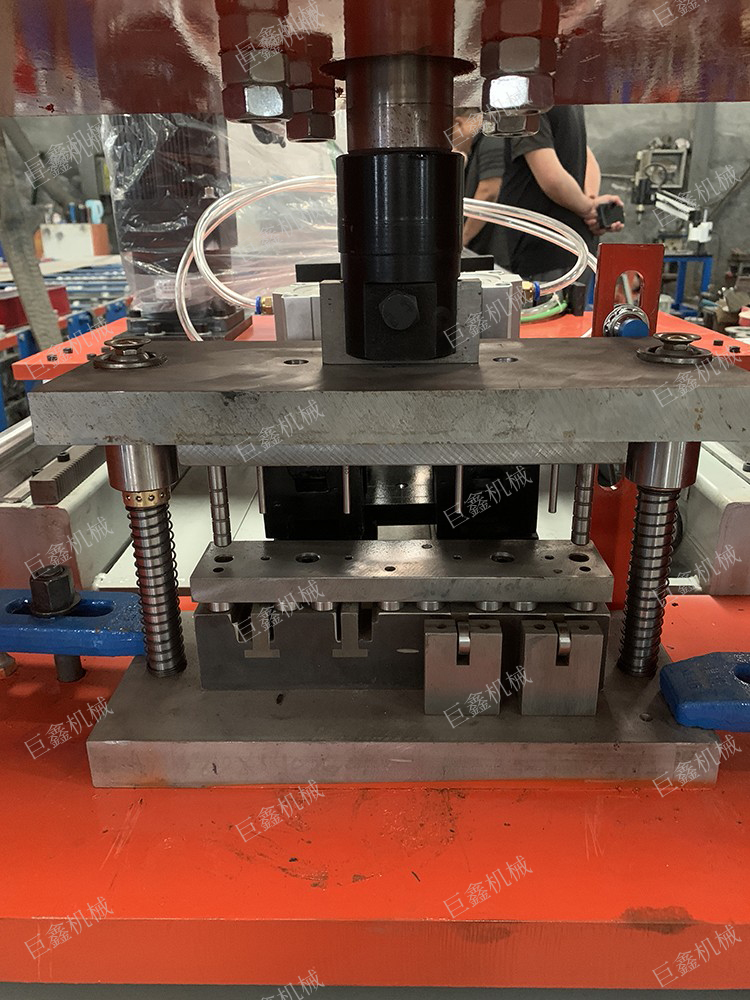
The punching die consists of an upper die (punch) and a lower die (die), which are key components that directly determine the punching quality. Molds are generally made of alloy tool steel, which has high hardness and wear resistance after heat treatment. The shape of the punch can be designed in various forms such as circular, waist circular, square, and irregular according to processing requirements. By changing different molds, holes of different specifications can be processed.
The workbench is used to place and position workpieces, with T-shaped slots or positioning holes on the tabletop for easy installation of fixtures and positioning blocks. The worktable of some models can be adjusted back and forth or left and right to meet the processing needs of workpieces of different sizes.
The control system generally adopts button station or touch screen operation, which can achieve various working modes such as manual tapping, single cycle, continuous cycle, etc. The system is equipped with pressure protection, overload protection, travel limit and other functions, which can automatically shut down when there is abnormal pressure or travel limit.
The safety protection device includes two hand operation buttons, photoelectric protection, safety cover, etc. Two handed operation requires the operator to press two buttons simultaneously to start the device, avoiding the other hand being in a dangerous area when operating with one hand; The photoelectric protection automatically stops the device when an obstacle is detected.
4、 Main functional features
The hydraulic punching machine has the following functional characteristics in practical use.
One reason is that the punching force is relatively high. The hydraulic system can output stable and continuous punching force, suitable for processing thick steel plates, sections, and pipes, with a wide punching range. By adjusting the system pressure, the punching force can be flexibly adjusted according to different materials and aperture sizes.
Secondly, the punching quality is relatively good. The hydraulic drive mode runs smoothly, the downward speed of the punch is uniform, the punching section is relatively flat, there are fewer burrs, and the hole position accuracy is high. For workpieces with appearance requirements, the subsequent polishing process can be reduced.
Thirdly, mold replacement is convenient. The mold mounting seat adopts a standard interface design, making it easy to replace the punch and die. Usually, only the fastening bolts need to be loosened to complete the replacement, which shortens the time for mold replacement and debugging.
Fourthly, the operating noise is relatively low. Compared with mechanical stamping, hydraulic punching machines have less impact and vibration during operation, and relatively lower noise levels, which helps improve the working environment in the workshop.
The fifth is flexible operation mode. The equipment supports multiple operation modes such as manual and semi-automatic, which can be used for single piece processing or combined with feeding devices to achieve batch production, adapting to the needs of different production scales.
5、 Application scenarios
The application range of hydraulic punching machine is relatively wide. In the steel structure industry, it is used for processing connection holes of profiles such as H-beams, I-beams, channel steels, and angle steels, and is an important equipment in the prefabrication production of steel structures. In the power fittings industry, it is used for punching holes in cross arms, clamps, connecting fittings and other workpieces, meeting the drilling requirements of various fittings in power line installation.
In the hardware industry, hydraulic punching machines are used for punching and processing parts such as door locks, hinges, brackets, and connectors. In the pipe processing industry, specialized pipe molds can be equipped to punch or groove round and square pipes. In the construction accessories industry, it is used for punching operations on products such as scaffold connectors, curtain wall accessories, and guardrail components. In addition, hydraulic punching machines are also widely used in fields such as automobile manufacturing, shipbuilding, and agricultural machinery parts.
6、 Operation and maintenance
Before operating the hydraulic punching machine, check whether the hydraulic oil level is normal, whether there is any leakage in the pipeline joints, whether the mold installation is firm, and whether the safety protection device is intact. After starting up, let the equipment run without load for several cycles, observe whether the hydraulic cylinder moves smoothly and whether there are any abnormal sounds. Before formal punching, it is recommended to use waste materials for trial punching to check whether the hole position and punching quality meet the requirements. After confirming that there are no errors, batch processing can be carried out.
In daily maintenance, the cleanliness and oil level of hydraulic oil should be checked regularly, and the hydraulic oil and filter element should be replaced according to usage. If there is wear or breakage on the cutting edge of the mold, it should be repaired or replaced in a timely manner to avoid affecting the punching quality. Lubricating grease should be regularly added to moving parts such as guide rails and sliders. The electrical control cabinet should be kept clean and the working status of the wiring terminals and contactors should be checked regularly. Before long-term use, the mold should be wiped clean and coated with rust proof oil, and any accumulated water in the system should be drained.
7、 Selection reference
When choosing a hydraulic punching machine, the following aspects should be carefully considered. One is the punching capacity, including the maximum punching thickness, maximum punching diameter, and strength grade of the machinable material, which determine the tonnage requirements of the equipment. The second is the throat depth and worktable size. Throat depth determines the maximum width of the workpiece that can be machined, while worktable size affects the placement and positioning of the workpiece. The third is mold configuration, which should be equipped with corresponding punches and dies according to commonly used hole types and specifications, while confirming whether the mold interface is standard and easy to customize. The fourth is the degree of automation. If you need to improve production efficiency, you can choose models equipped with automatic feeding and positioning systems. The fifth is equipment stability, which should pay attention to the reliability of the body structure, hydraulic component brand, and control system to ensure long-term continuous operation.
In summary, hydraulic punching machines are based on hydraulic power and complete punching processing of various metal workpieces through molds. They have the characteristics of high punching force, good punching quality, and flexible operation. Reasonable selection based on actual processing needs, and proper daily operation and maintenance, can effectively improve the processing efficiency and product quality of the drilling process.
2. Adopting a double wheel enlarged stroke 25 ton punch press, the casting frame is finely polished.
3. The punching machine adopts a pure copper core motor
4. The feeding system adopts Taiwan YYC rack and Shanghai Jingbo linear guide rail
5. Adopting Hangzhou Riding servo motor drive system, with accurate precision, high efficiency, and adjustable hole spacing.
6. Xinjie 7-inch LCD touch screen