
You are here:HOME > PRODUCT > Auto punching machine >
punching die
13803170595

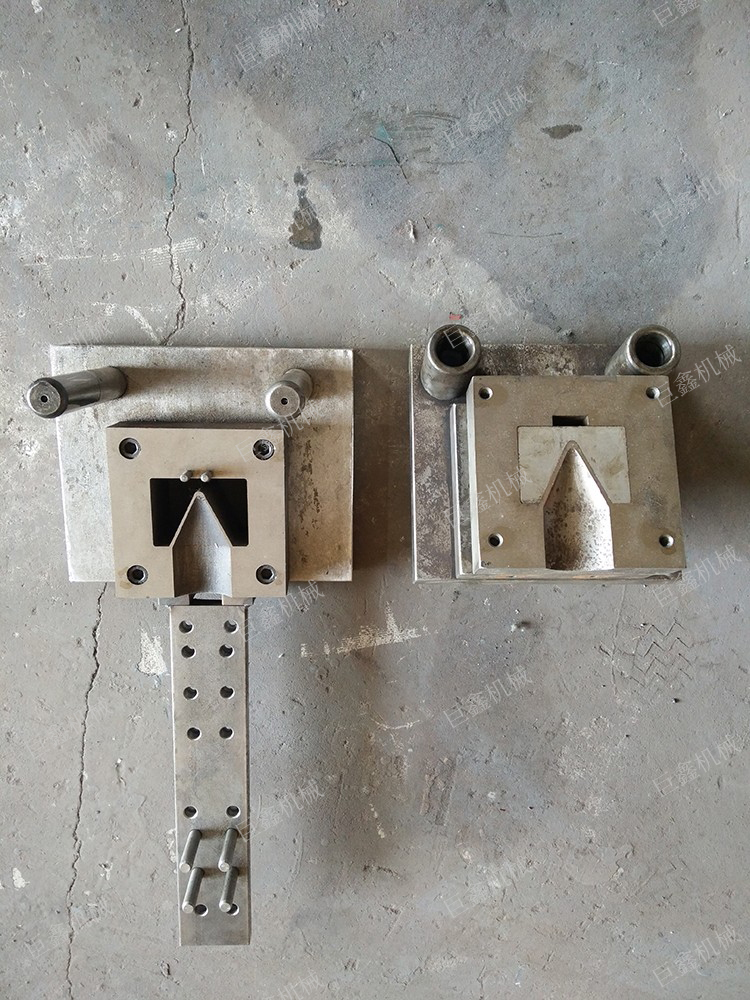
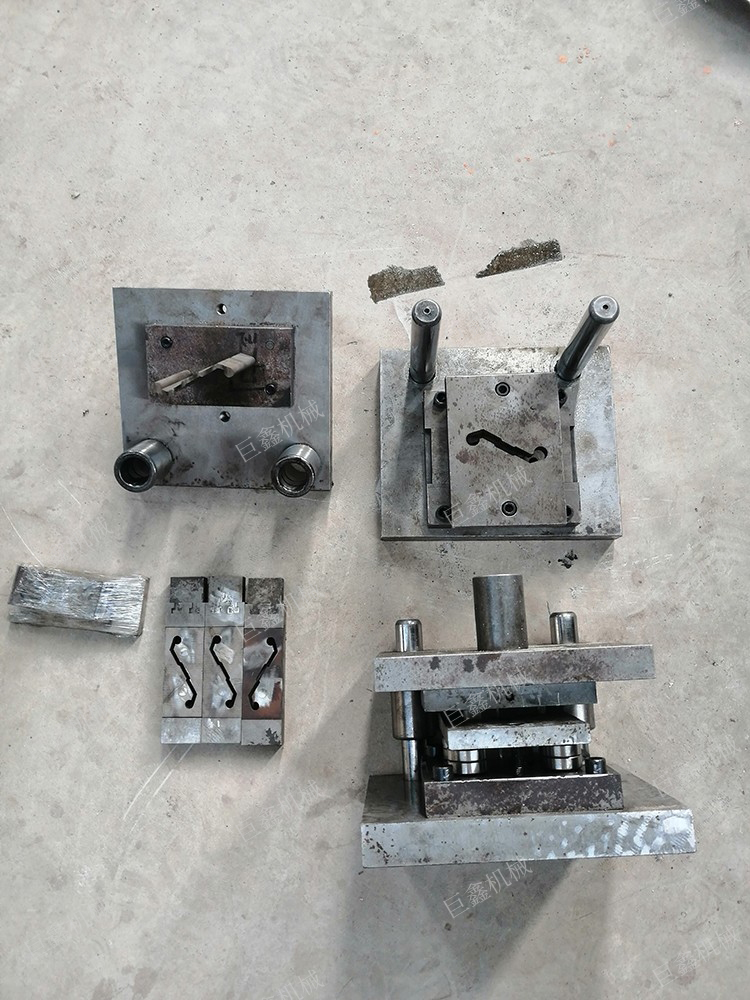
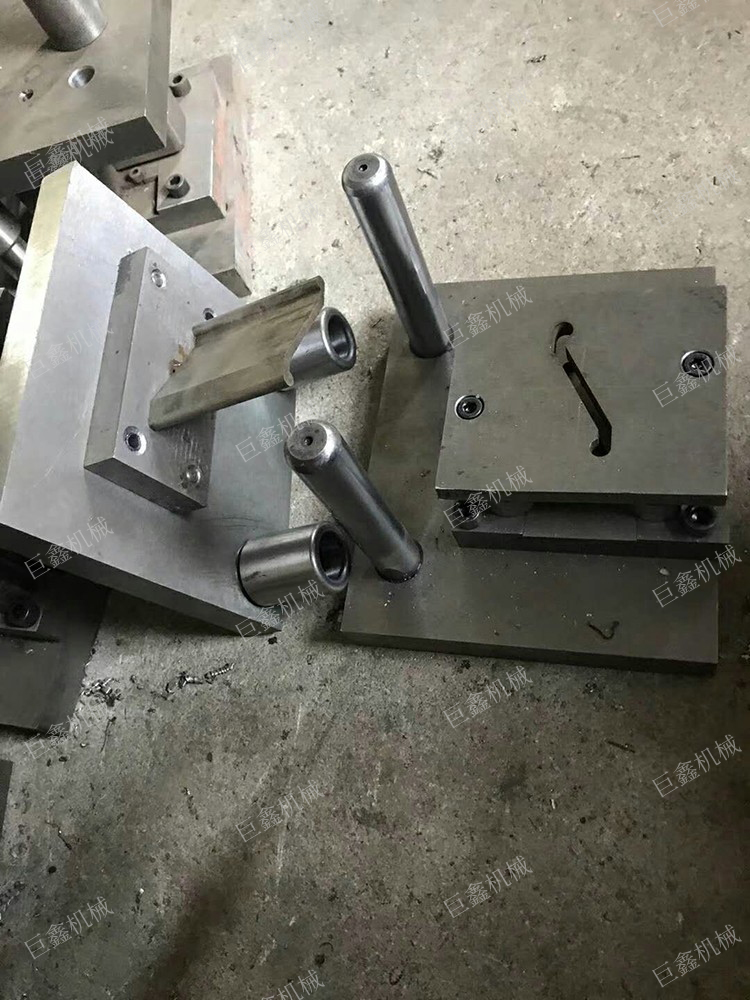
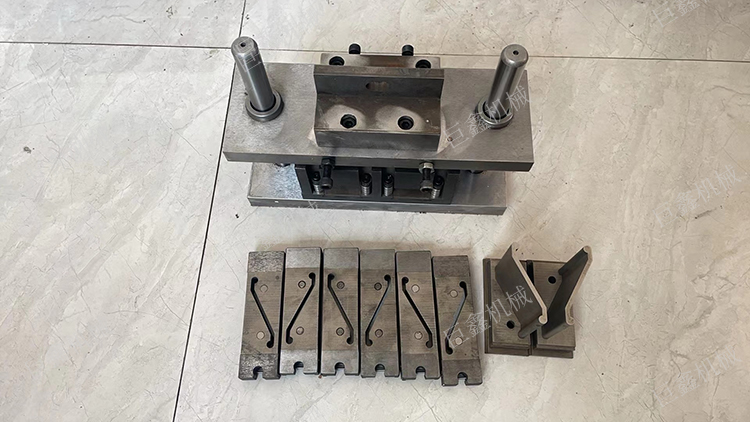
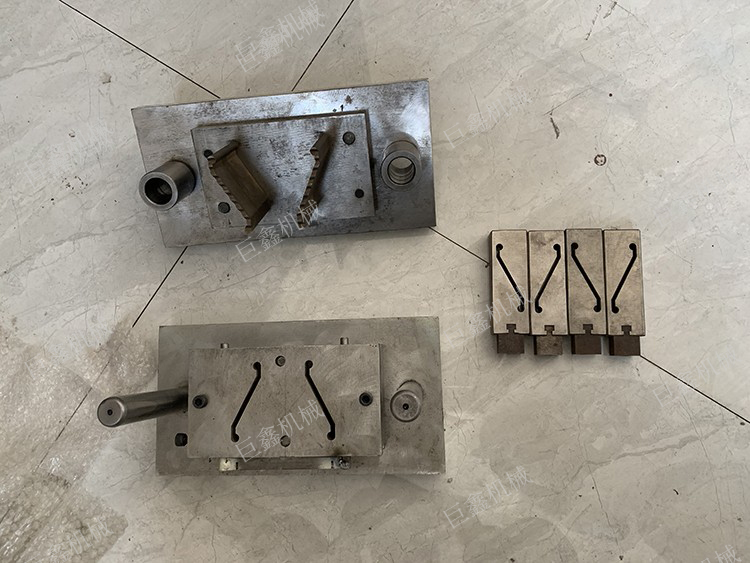
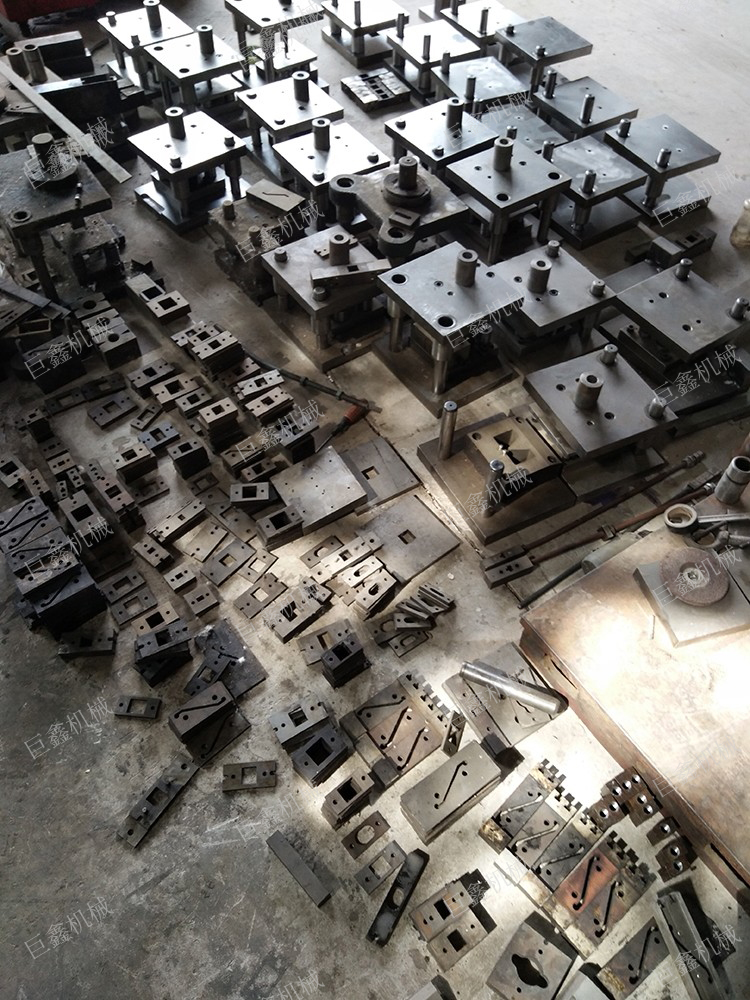
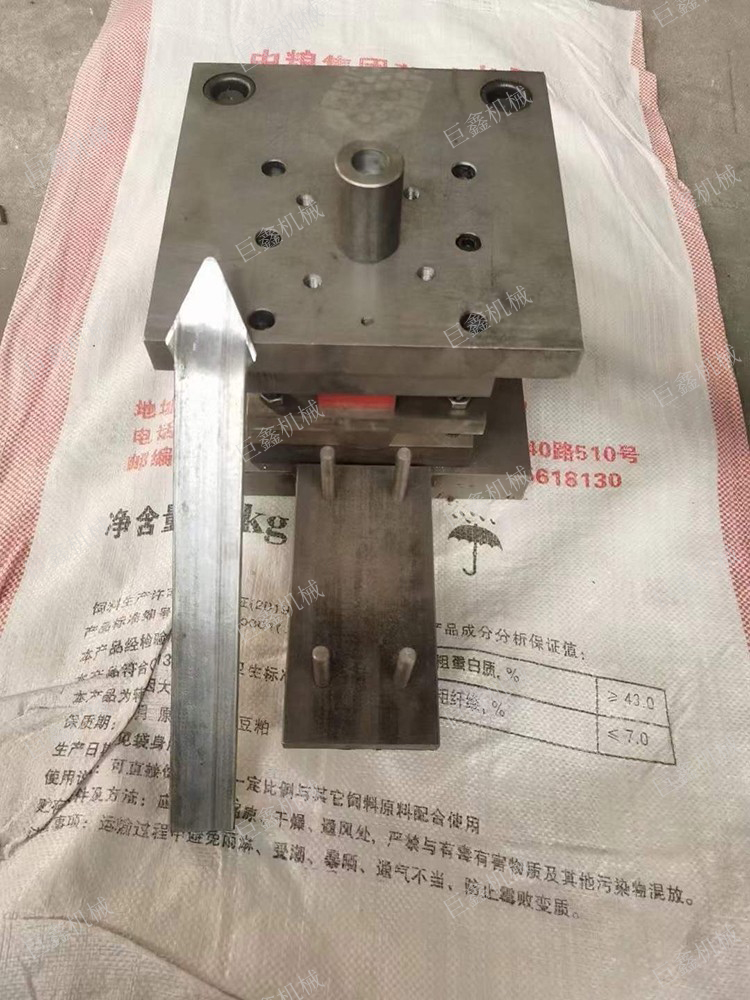
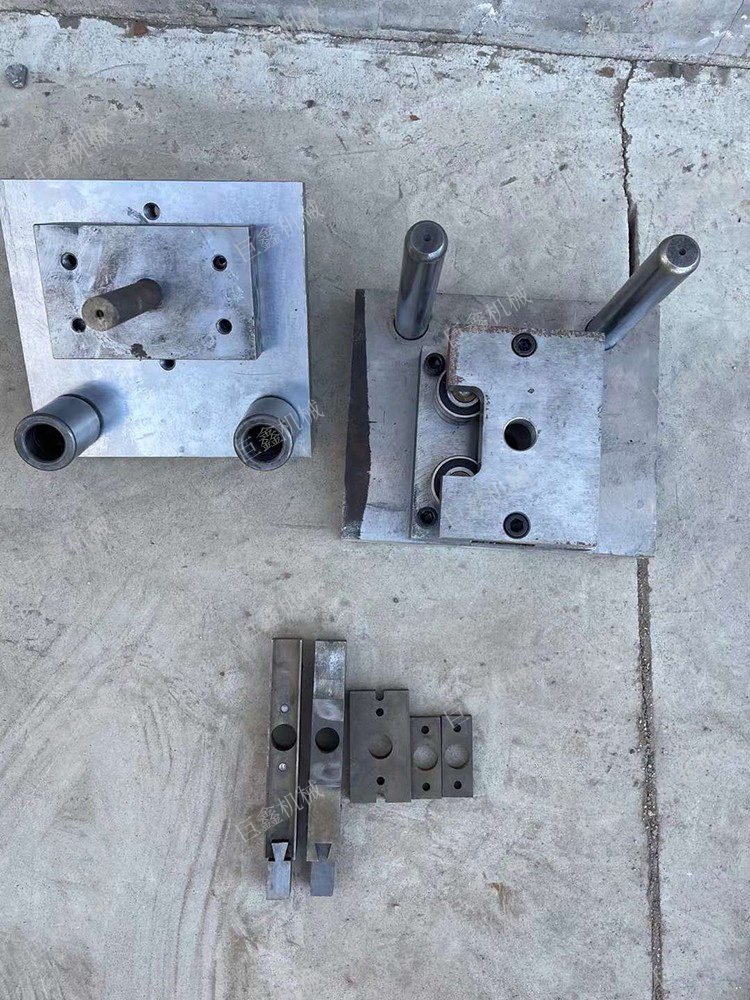
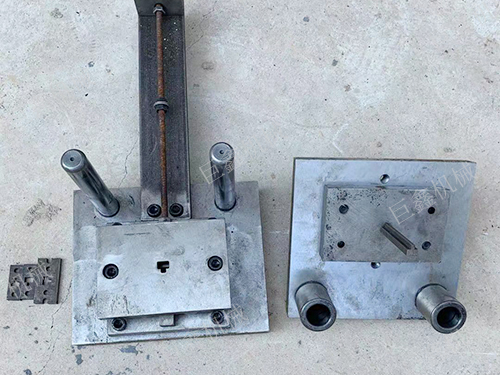
Punching die is a specialized process equipment used for hole formation in metal and non-metal material processing, and belongs to a type of punching die. The basic working principle is to use the power provided by the press to drive the punch to penetrate the material into the concave mold, causing the material to separate along the predetermined closed contour, thus forming the required hole, and the waste is discharged from the leakage hole of the concave mold.
Mold Structure and Composition
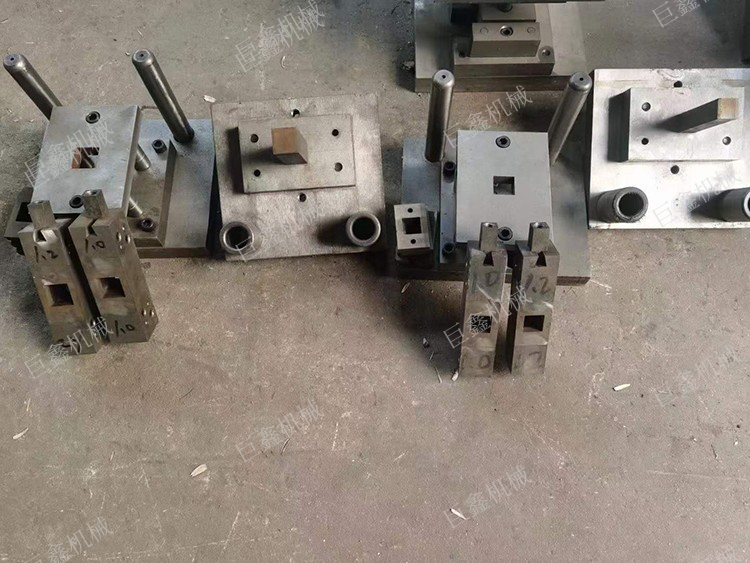
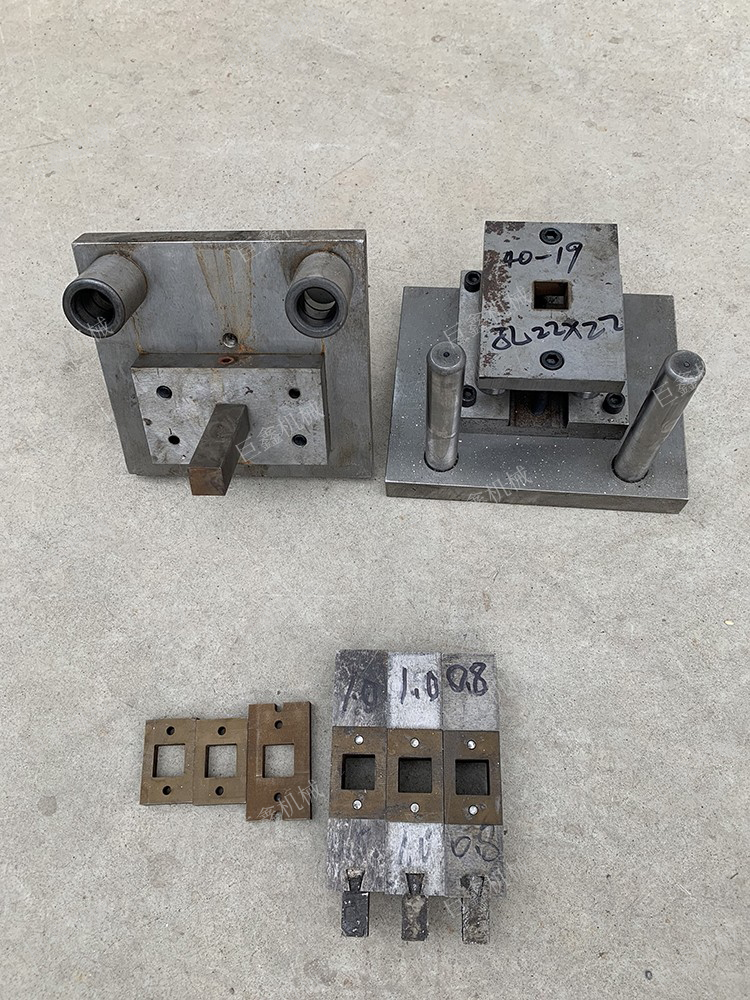
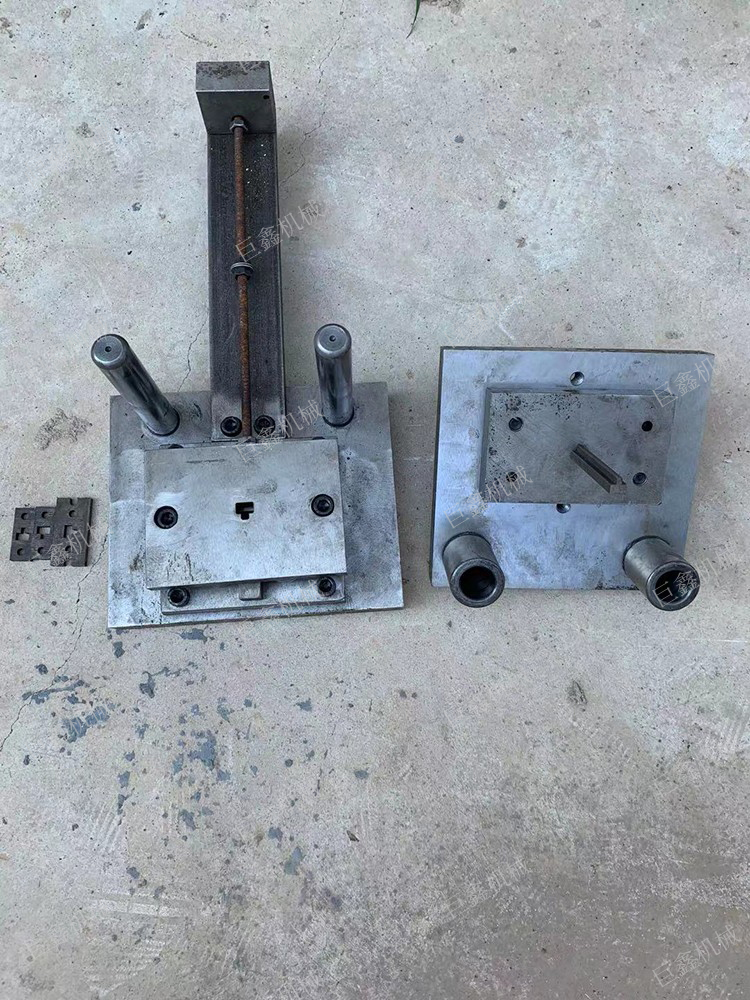
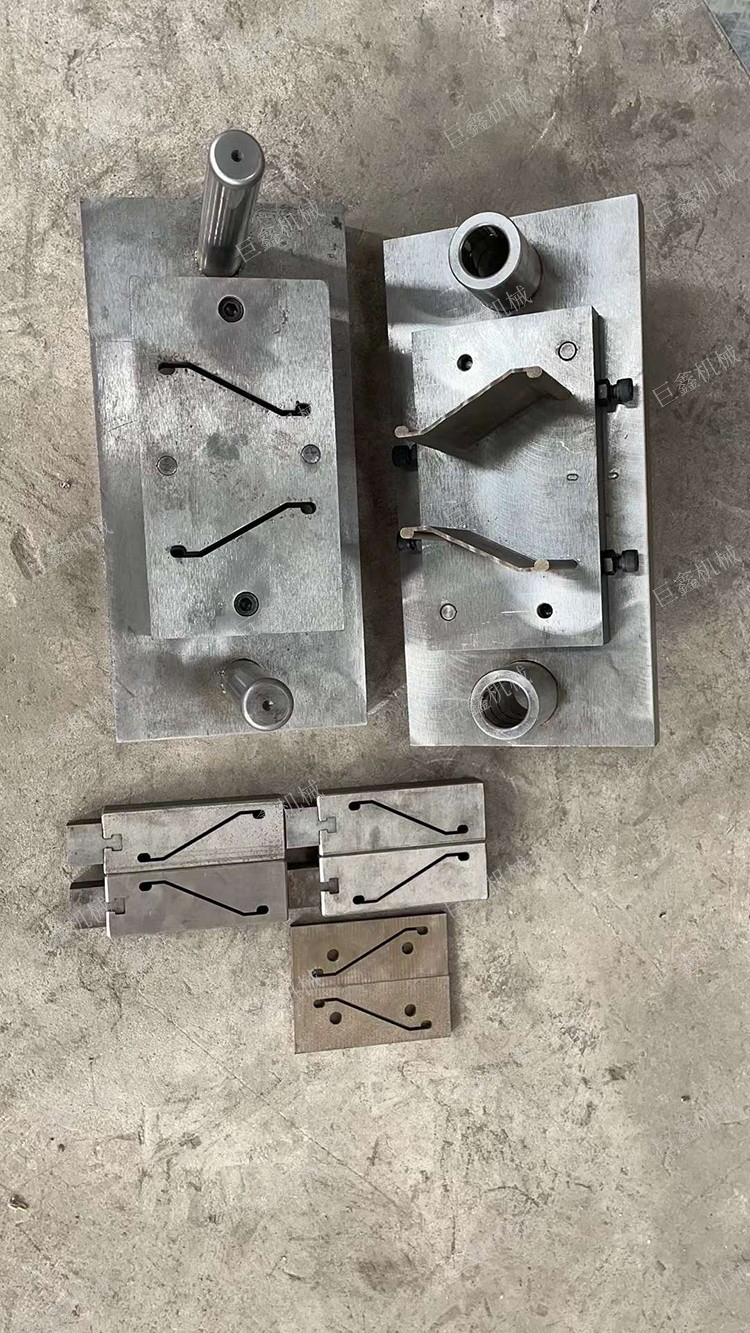
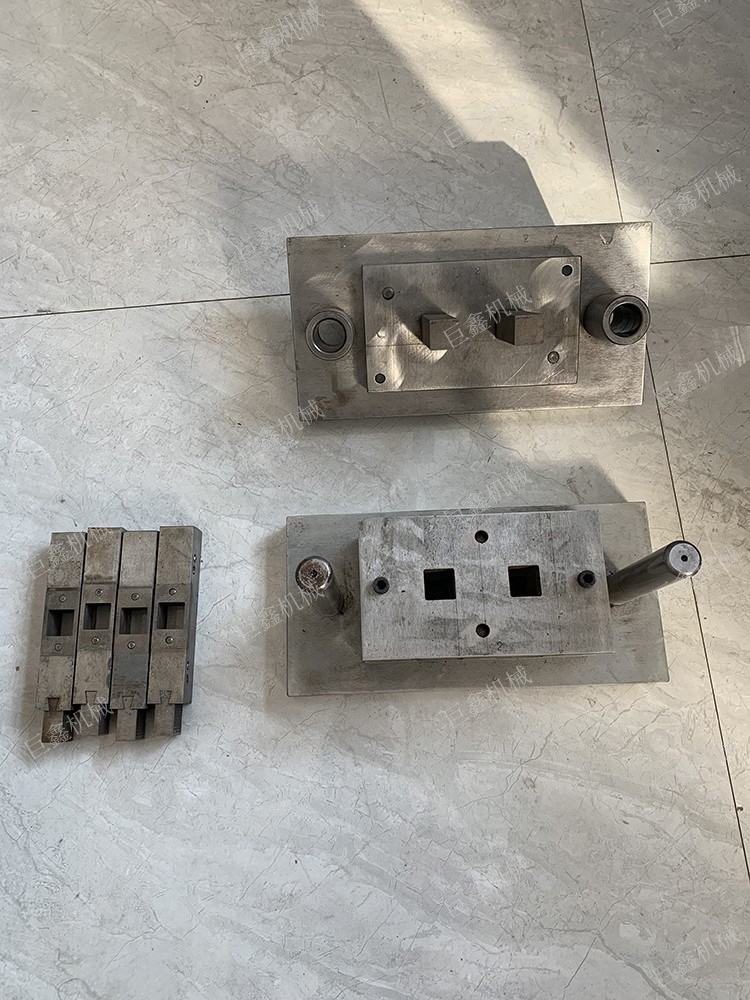
A complete punching mold usually consists of two main parts: process parts and structural parts. Process parts directly participate in stamping forming, mainly including:
Convex punch (punch): The active executor of the punching process, whose size determines the diameter of the processed hole.
. When punching, the size of the hole is determined by the size of the punch blade, so the working size of the punch should be close to the maximum limit size of the hole.Concave die: Cooperate with convex die to complete material separation, and its cutting edge size needs to be a reasonable gap value larger than that of convex die.
.Unloading plate: used to unload materials or workpieces that have been punched and placed on the convex mold to prevent material from being carried.
Positioning parts: including positioning pins, blocking pins, etc., to ensure accurate positioning of materials during the feeding process.
Structural components are responsible for installation, fixation, and guidance, such as upper mold seat, lower mold seat, guide column, guide sleeve, etc., to ensure the relative motion accuracy between the convex mold and the concave mold.
Key design parameters
The performance of punching molds largely depends on several core design parameters:
Gap between convex and concave molds: The choice of gap has a significant impact on punching quality and mold life. If the gap is too small, the wear of the convex mold will intensify, and it is easy to cause blade breakage; If the gap is too large, the burrs on the punching section will increase. In general, the unilateral gap can be taken as 5% to 10% of the material thickness, which needs to be adjusted according to the material type -8% for soft steel, about 10% for stainless steel, and about 6% for aluminum plate.
Convex die structure and cutting edge: The functional part of the convex die is the processing core, and different cutting edge forms such as straight through, stepped, or tapered can be used according to the working conditions.
. For small convex molds, it is necessary to ensure their secure installation through the handle and anti drop structure.Unloading force configuration: The unloading force is usually 5% to 10% of the punching force. Insufficient unloading force can cause waste or workpieces to adhere to the convex mold, affecting continuous processing; Excessive force may leave indentations on the surface of the material.
Common types and applicable scenarios
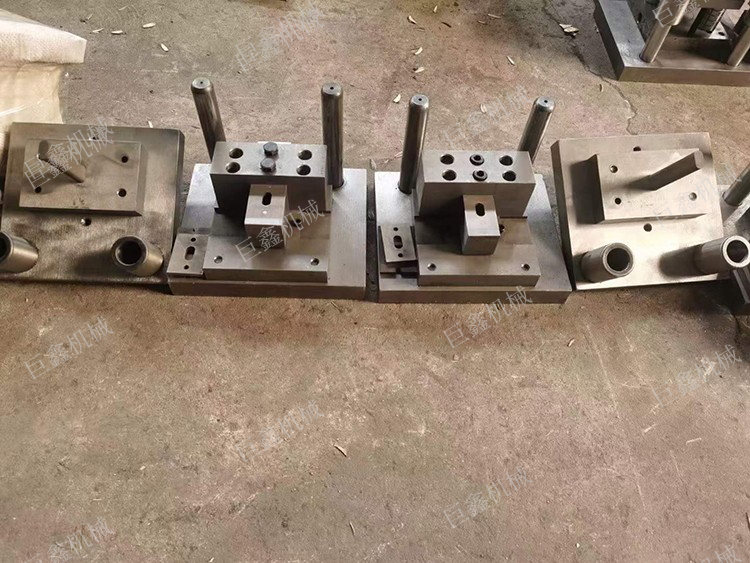
According to the production batch and process complexity, punching molds can be divided into various types:
Single process punching die: capable of punching one or more holes in one go, with a simple structure and low cost, suitable for small batch or multi variety production.
Composite punching die: It can simultaneously complete punching and material dropping processes in one stroke, with high positional accuracy and efficiency.
.Continuous punching die (progressive die): By stepping the material belt, punching is gradually completed at multiple workstations, with a high degree of automation, suitable for large-scale production.
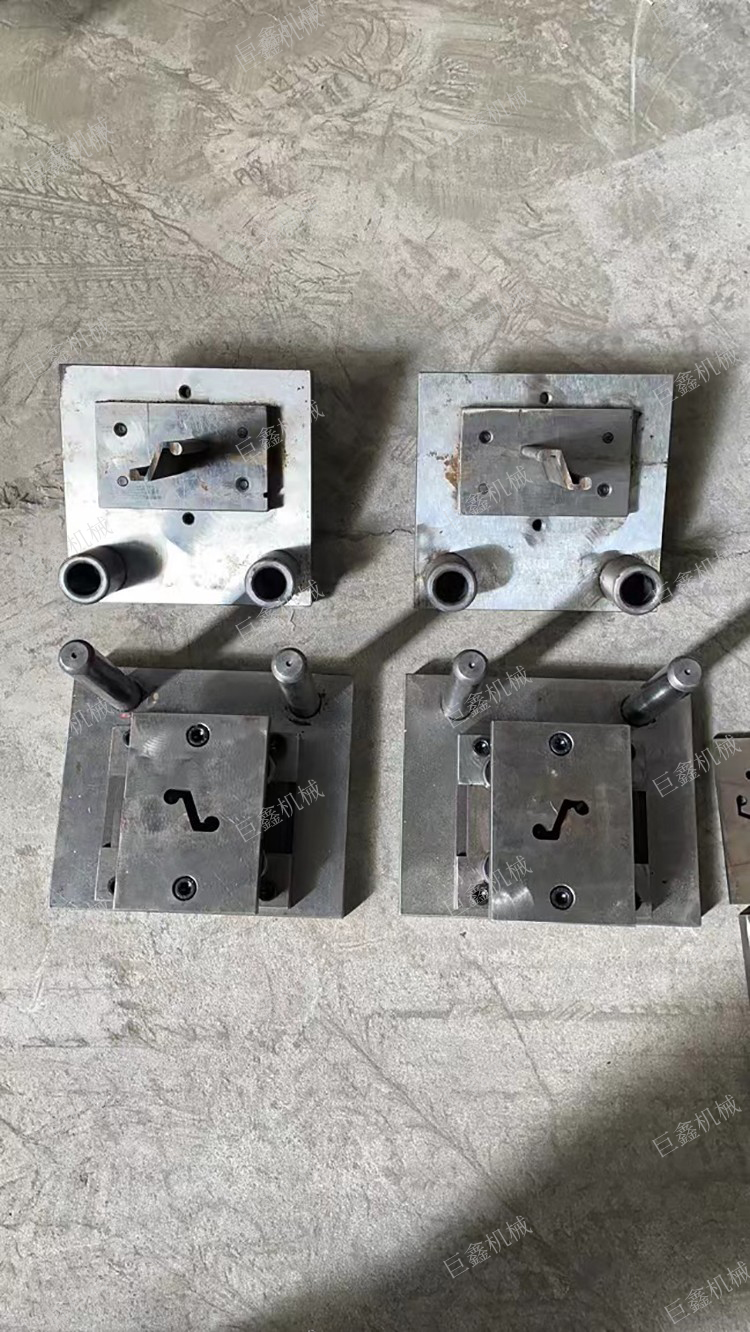
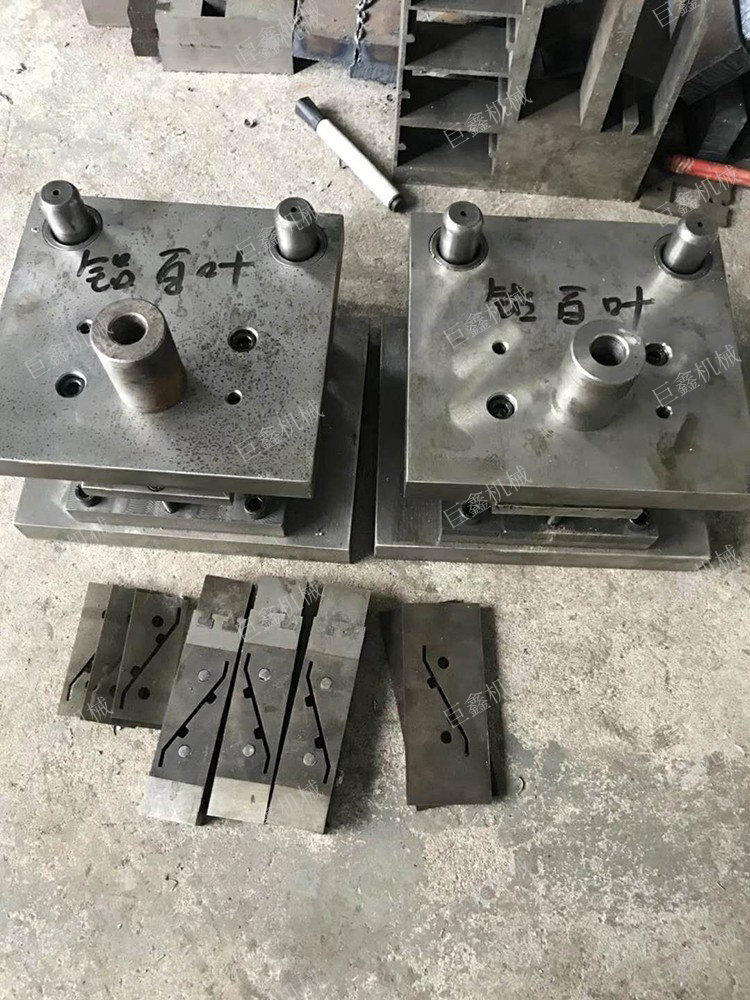
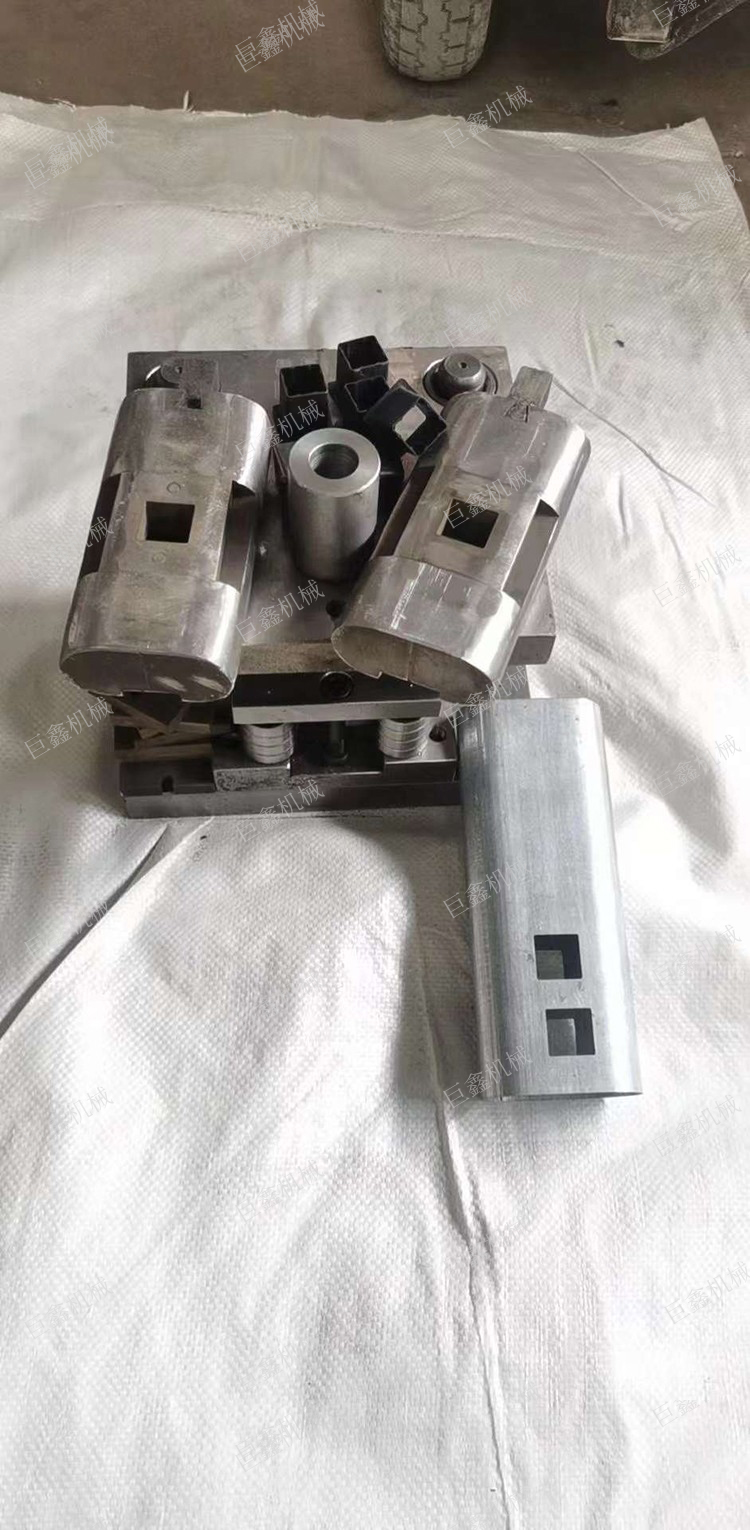
.Customized punching dies: customized punching dies for special pipe sections, irregular hole patterns, or multi station synchronous requirements, such as specialized punching dies for square tubes, round tubes, and angle irons. The clamping mechanism and punching unit can be customized according to the shape of the workpiece.
.Applicable materials and processing range
The applicable material range of punching molds is relatively wide. In the field of metal processing, it can handle plates such as stainless steel, low-carbon steel, galvanized steel, aluminum plate, as well as profiles such as round pipes, square pipes, and angle steels. In the non-metallic field, it is suitable for punching operations on materials such as paper, leather, and plastic sheets. According to specific requirements, various hole types such as round holes, square holes, louver holes, and plum blossom holes can be punched.
In terms of mold materials, high-speed steel, hard alloy and other materials are commonly used to make convex and concave molds to ensure sufficient wear resistance and impact resistance.