
You are here:HOME > PRODUCT > Fence equipment >
Enclosure panel equipment
13803170595

The enclosure panel equipment is a specialized equipment developed for continuous cold bending of prefabricated isolation enclosure panels. It relies on a progressive multi pass rolling plastic deformation process to process the entire roll of metal flat plate raw materials into an integrated enclosure panel with fixed cross-sectional curvature, reinforced rib structure, and folded edge slot. The equipment adopts a room temperature cold processing method throughout the process, which will not damage the protective coating and original mechanical properties of the metal sheet surface. The formed panel structure is regular, and the splicing fit is high. It is the core processing equipment for temporary enclosures, construction isolation barriers, area enclosed enclosures and other components. The entire device integrates functions such as feeding and conveying, roller pressing and shaping, auxiliary punching, fixed length cutting, and finished product discharge into an automated production line. All forming processes can be completed with one feeding of materials, reducing surface collisions, deformations, and errors caused by manual intervention during transportation, and improving the consistency of sheet metal forming.
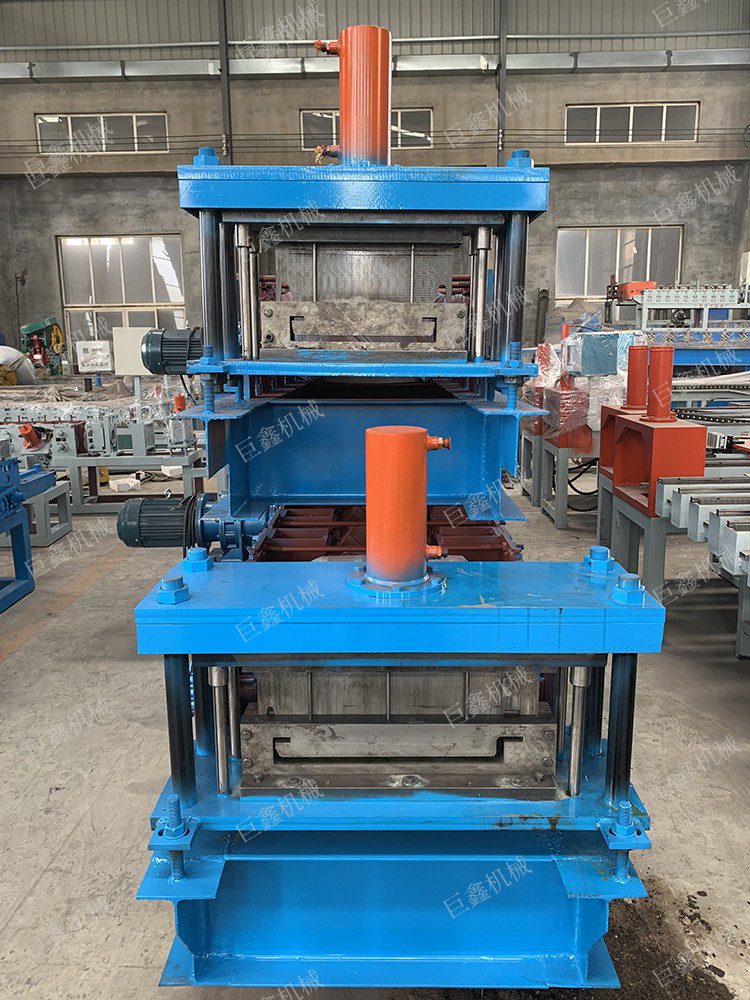
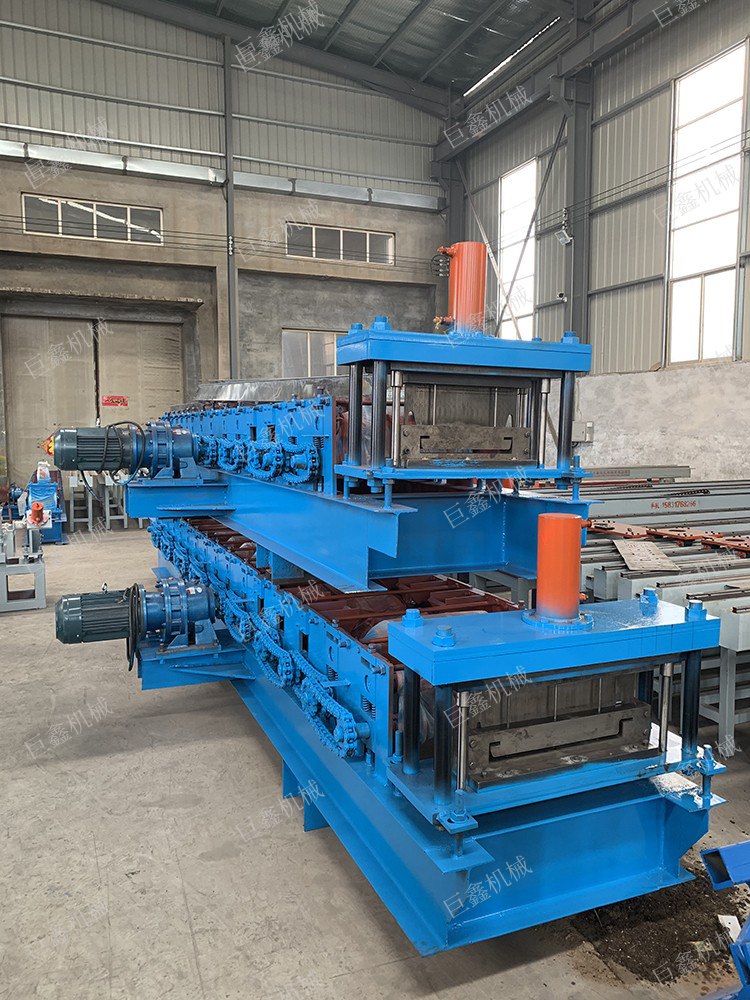
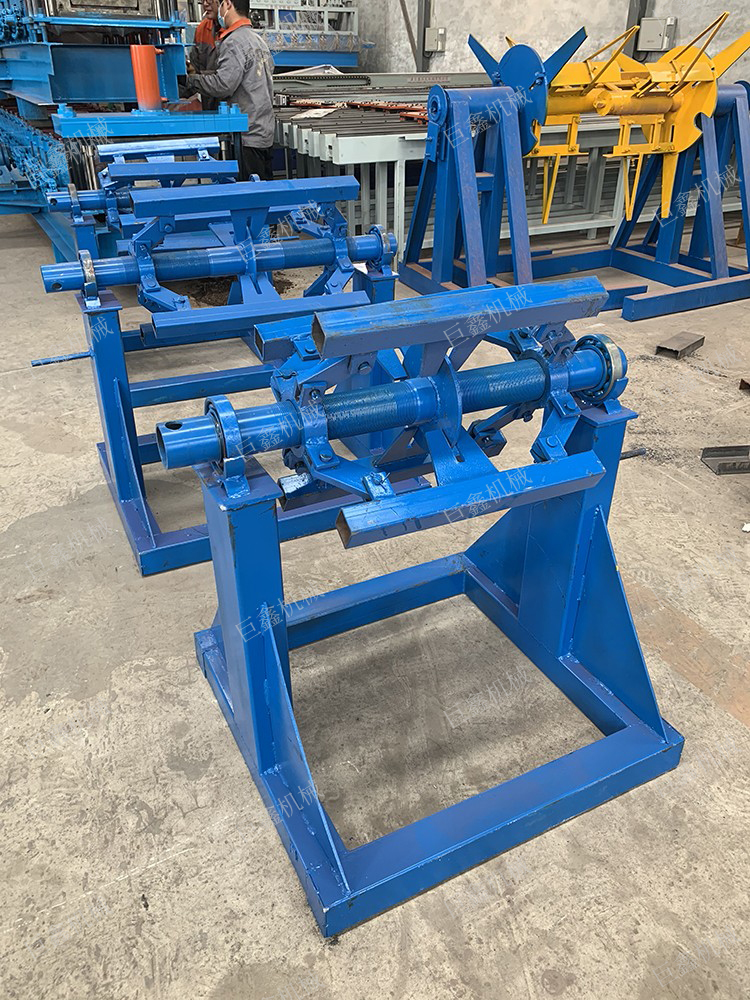
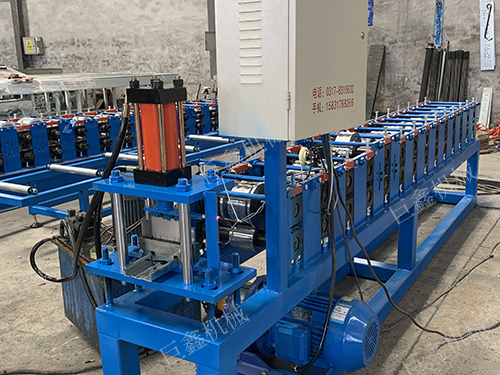
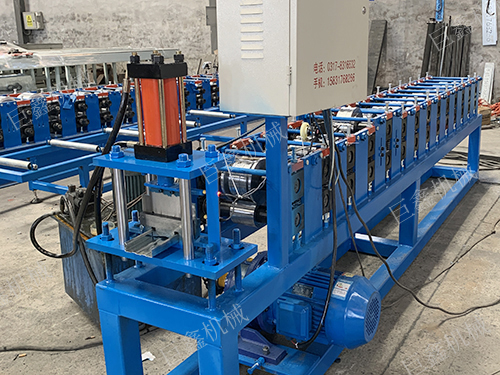
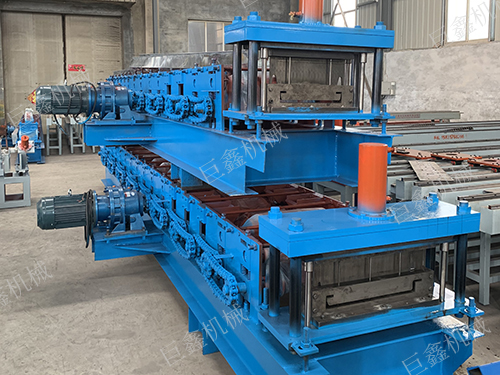
The equipment is composed of seven modules: the feeding rack assembly, the guiding and correcting mechanism, the roll forming host, the hydraulic punching unit, the hydraulic cutting mechanism, the variable frequency transmission system, and the electrical control system. All core components are fixed on an integrated thickened welding base, which has undergone time effect treatment to withstand the mechanical stress generated by continuous operation over time, reduce the vibration amplitude of the machine body, and ensure that the cross-sectional dimensions do not deviate under high-speed processing conditions. The feeding rack is used to support the entire roll of metal raw materials and is equipped with a damping braking structure to prevent the coil from becoming loose or deviating due to its own weight inertia. The coil material is smoothly fed into the front guide area through the roller. The guiding and correction framework is equipped with adjustable limit baffles on both sides, which, in conjunction with the pressing roller, constrain the trajectory of the sheet material, ensuring that the sheet material is always transported in the center and avoiding problems such as forming side bending and asymmetric single-sided folding from the source.
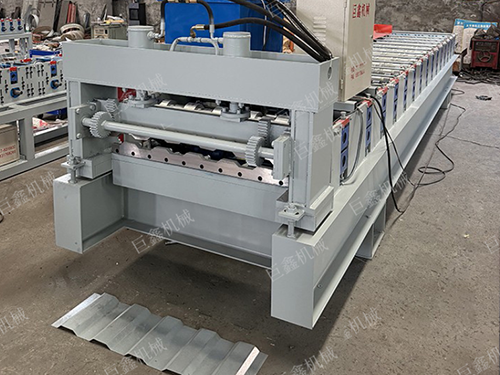
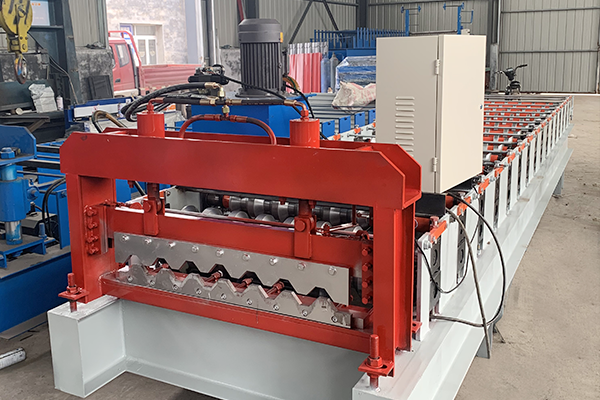
The roll forming host is the core functional unit of the equipment, with dozens of sets of step-by-step forming rollers arranged inside. The rollers are designed step by step according to the cross-sectional shape of the enclosure panel, and are completed in multiple processes from the initial bending of the flat plate, the pressing of the middle reinforcement ribs, the folding of the two side buckles, to the overall shaping. The roller body is processed with wear-resistant materials and the surface is hardened for stable wear and extrusion resistance. Heavy load bearings are installed at both ends of the roller shaft for smooth rotation and low resistance. The entire roller set relies on gear synchronous transmission, and the speed of the upper and lower roller bodies is perfectly matched to prevent the sheet from being stretched and thinned on one side, ensuring that the width, height, and groove depth of each formed panel are uniform. The rollers of different passes gradually change the shape of the board, avoiding excessive bending angles that may cause cracking of the board coating and substrate, and maximizing the preservation of the complete appearance and durability of the board.
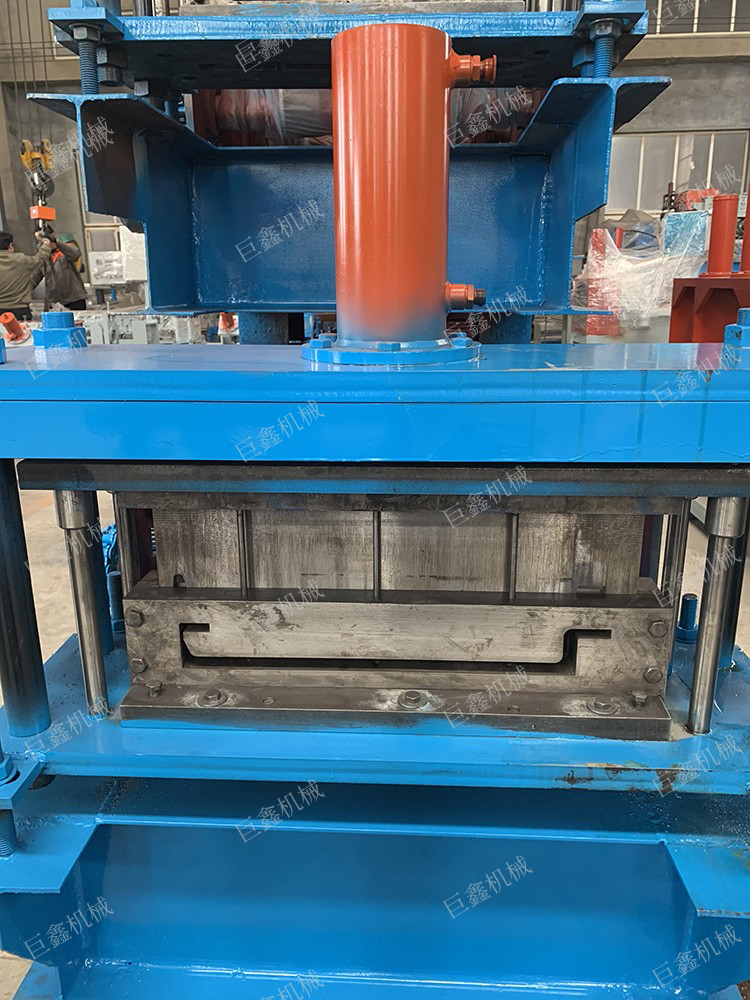
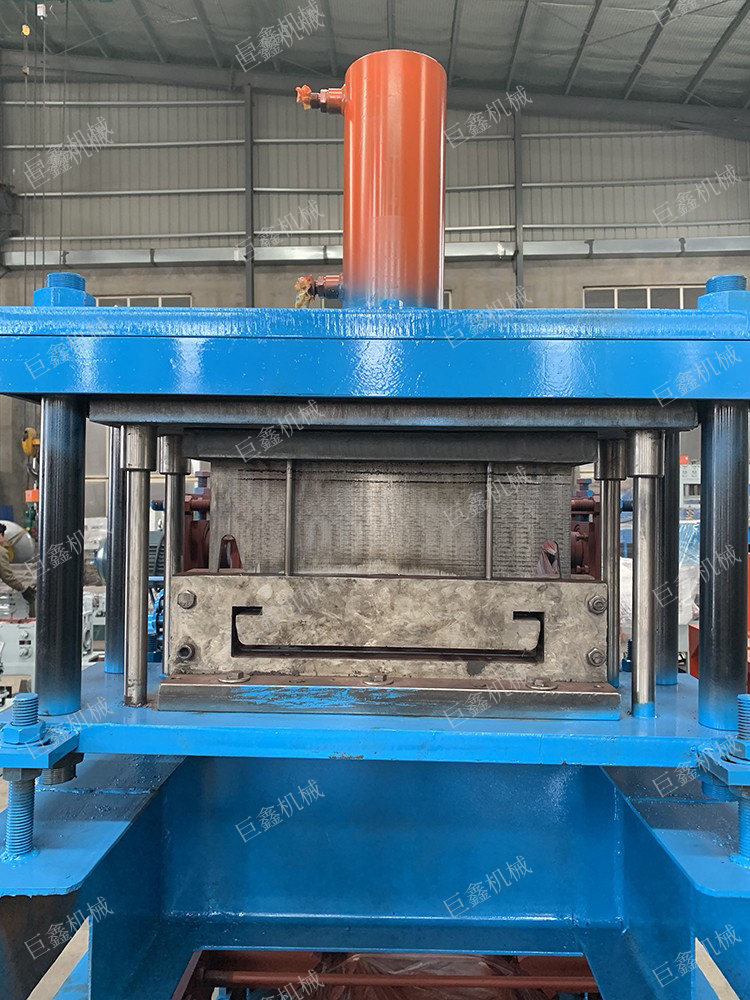
An independent hydraulic punching mechanism can be installed in the middle of the molding process, and fixed installation holes can be punched at designated positions on the panel according to the assembly and installation requirements of the enclosure. The punching mold is made according to the standard aperture and hole spacing, and the hydraulic drive punch descends to complete one-time punching. The hole wall is smooth without excessive burrs and does not require secondary polishing and finishing. The punching process is carried out synchronously with roll forming, without separately occupying processing time, further improving the coherence of the entire production line. After punching, the semi-finished sheet continues to be transported backwards and reaches the end cutting station. The cutting mechanism adopts a hydraulic driven gantry cutting structure, with a tight fit of the cutting edge and a flat cutting section. The cutting length is accurately measured by the control system, and the finished length of a single enclosure panel can be set as needed. After reaching the set value, the equipment automatically triggers the cutting action. After the cutting is completed, the finished sheet material smoothly slides down and stacks through the discharge tray.
The power and control system adopts a variable frequency speed regulation mode, which adjusts the conveying speed of the whole machine through the frequency converter. The operating rhythm can be adjusted according to the thickness and hardness of the board material, reducing the loss of mechanical components when switching between no-load and heavy load. The operation end is equipped with a visual control panel, which only requires the input of basic parameters such as finished product length, punching spacing, and running speed. The equipment can achieve automatic feeding, punching, counting, and cutting of the entire process. The operation logic is simple and intuitive, and daily production operations can be completed through simple familiarity. Protective covers are installed on moving parts such as transmission chains, gears, and bearings to prevent metal debris from falling during processing and to enhance the safety protection level during equipment operation.
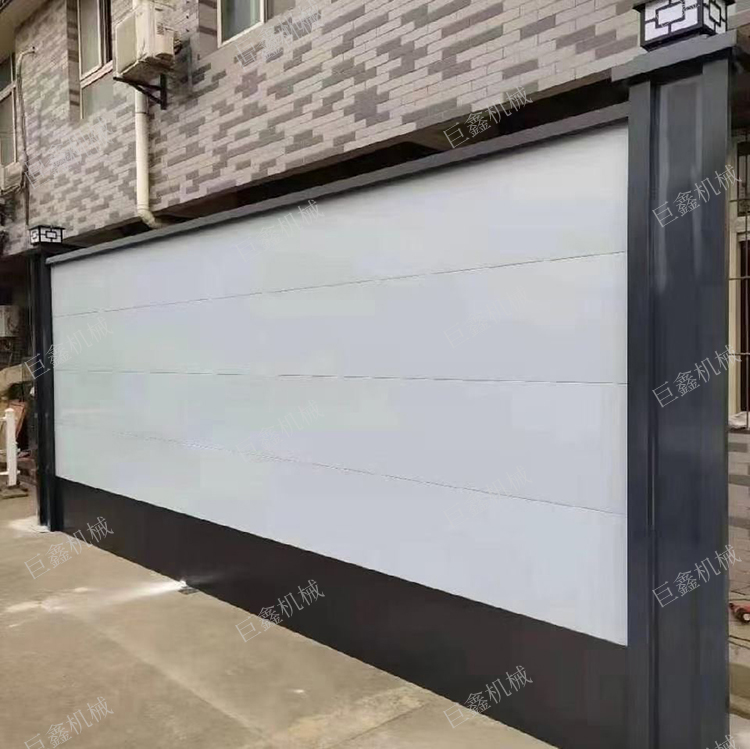
This device is suitable for processing commonly used metal coils such as color coated steel plates and galvanized thin sheets. The formed enclosure panel comes with a splicing slot structure, and multiple panels can be directly interlocked and spliced together. With accessories such as columns and cross braces, it can be quickly assembled into a complete enclosure wall, which is easy to disassemble and has a high reuse rate. The processed board surface comes with concave convex reinforcement ribs, which enhance the bending and compression resistance of the board itself. It is less prone to bending and sinking when used in outdoor environments, and the overall enclosure stability is stronger.
The overall layout of the equipment is compact, and the assembly line structure occupies limited workshop space. A single machine can independently complete the production of a complete set of enclosure panels without the need for multiple devices to be connected in series. Daily maintenance focuses on regularly adding lubricating oil to the transmission parts, cleaning the dust and debris attached to the roller surface, checking the sealing of the hydraulic system oil circuit, verifying the status of the punching mold and cutting edge, etc. Regular maintenance is carried out in a standardized manner to ensure long-term stable operation of the equipment. The enclosure panel equipment focuses on the batch forming and processing of standardized enclosure panels, using cold bending forming technology to achieve large-scale production of enclosure components, providing standardized and structurally orderly basic panels for various types of enclosed isolation enclosures.