
You are here:HOME > PRODUCT > Fence equipment >
Fence pillar forming machine
13803170595

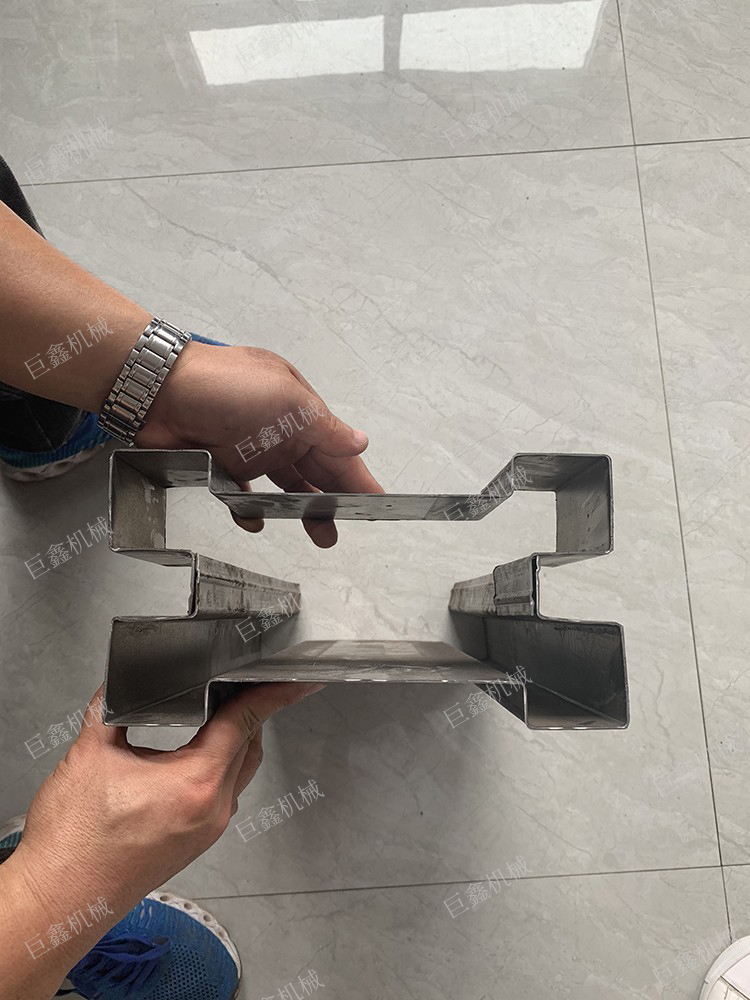
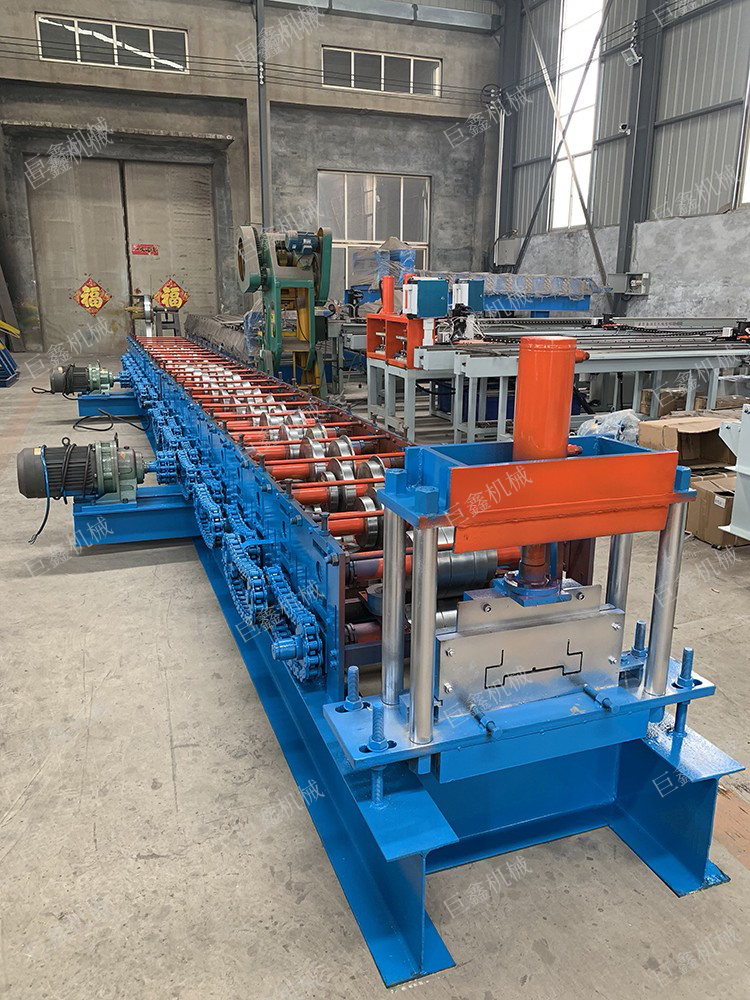
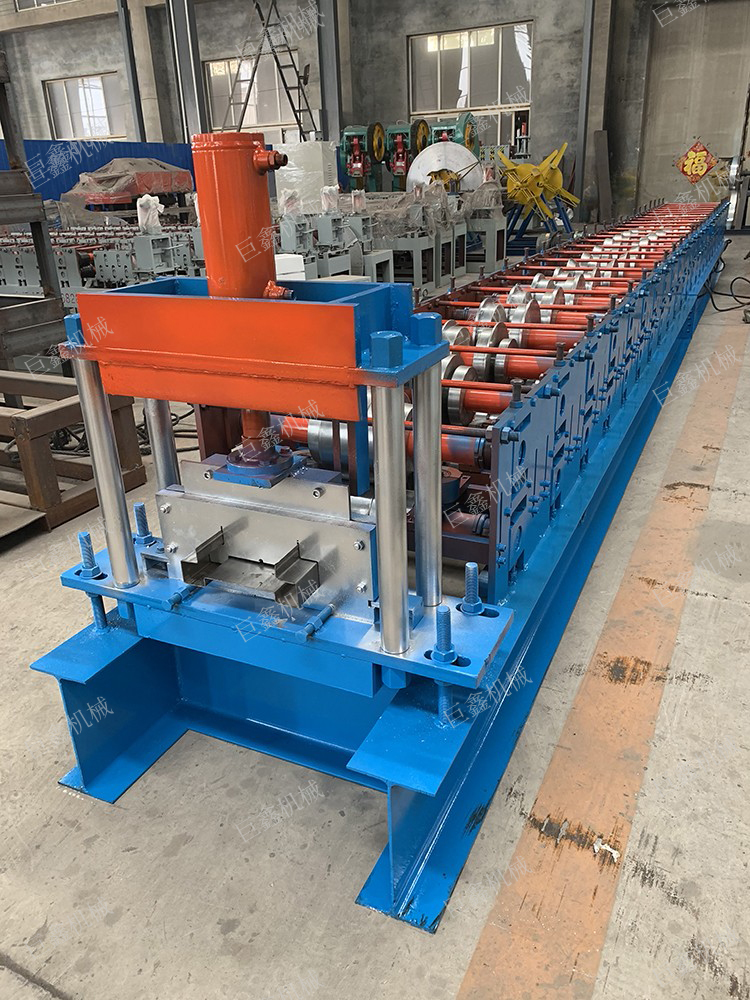
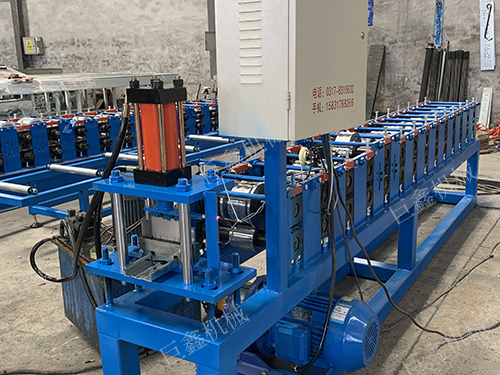
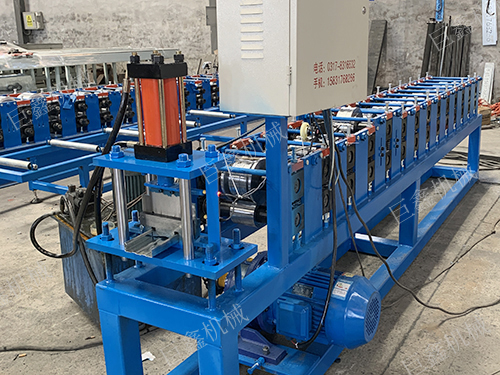
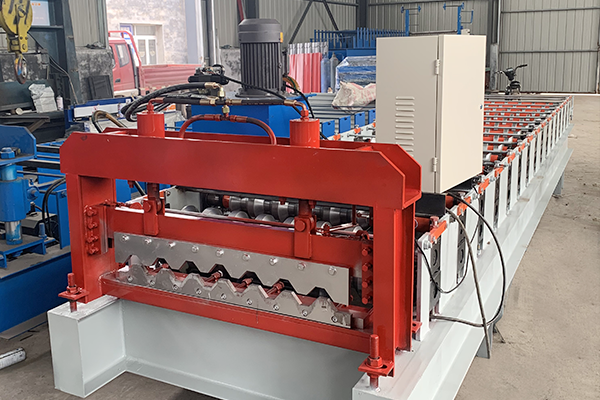
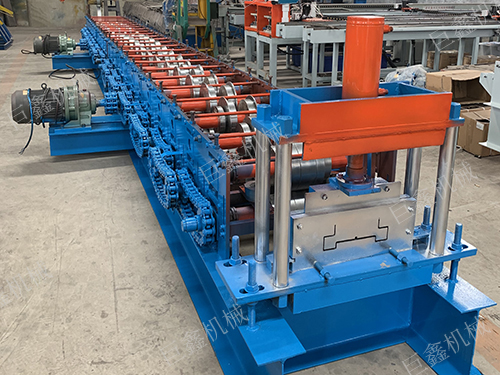
The fence column forming machine is a metal cold bending production line equipment designed specifically for the vertical support components of prefabricated fences. It relies on the gradual rolling plastic deformation process at room temperature to continuously bend, buckle, and lock the flat metal strip, ultimately forming a closed square tube or rectangular tubular column profile. The entire process adopts a cold processing mode, which does not produce high-temperature thermal deformation, and can preserve the protective coating on the surface of the metal sheet and the physical strength of the substrate itself. After forming, the cross-section of the column is regular and the pipe wall is tightly adhered, serving as the vertical load-bearing skeleton of the enclosure system, and undertaking the core role of panel fixation and overall frame connection. The equipment integrates the processes of coil feeding, centering guidance, multi-stage bending forming, locking edge biting, hydraulic cutting to length, and finished product discharge into an integrated production line. All processing steps can be automatically completed by loading raw materials in one go, reducing scratches, deformations, and dimensional deviations caused by material handling in the middle, and ensuring that the cross-sectional parameters of each column remain consistent in batch production.
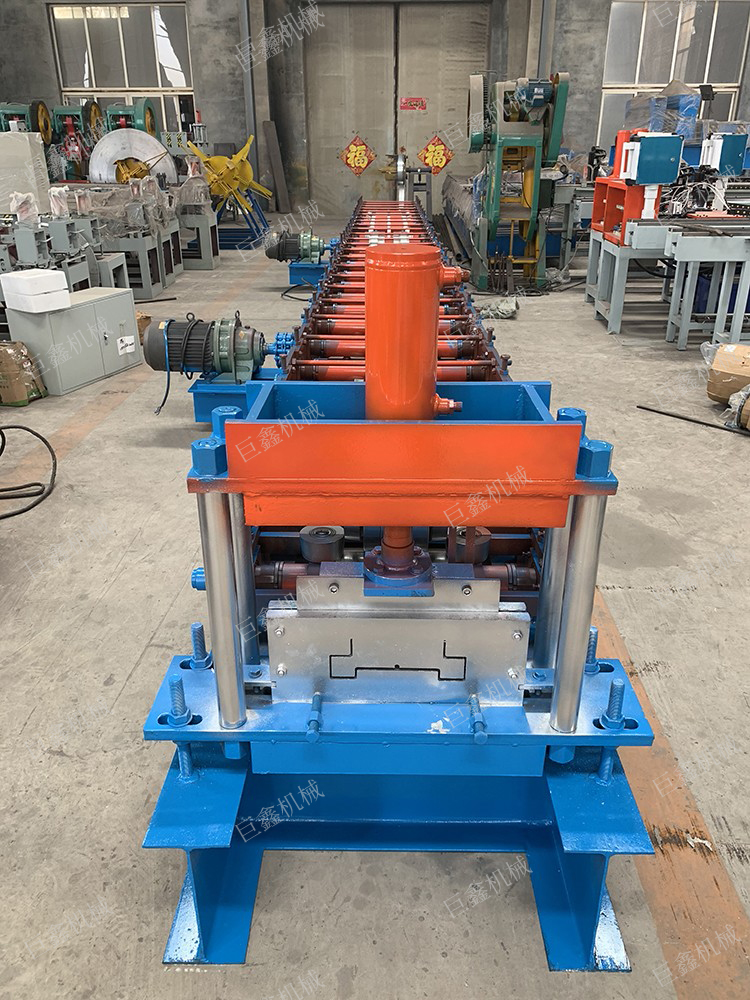
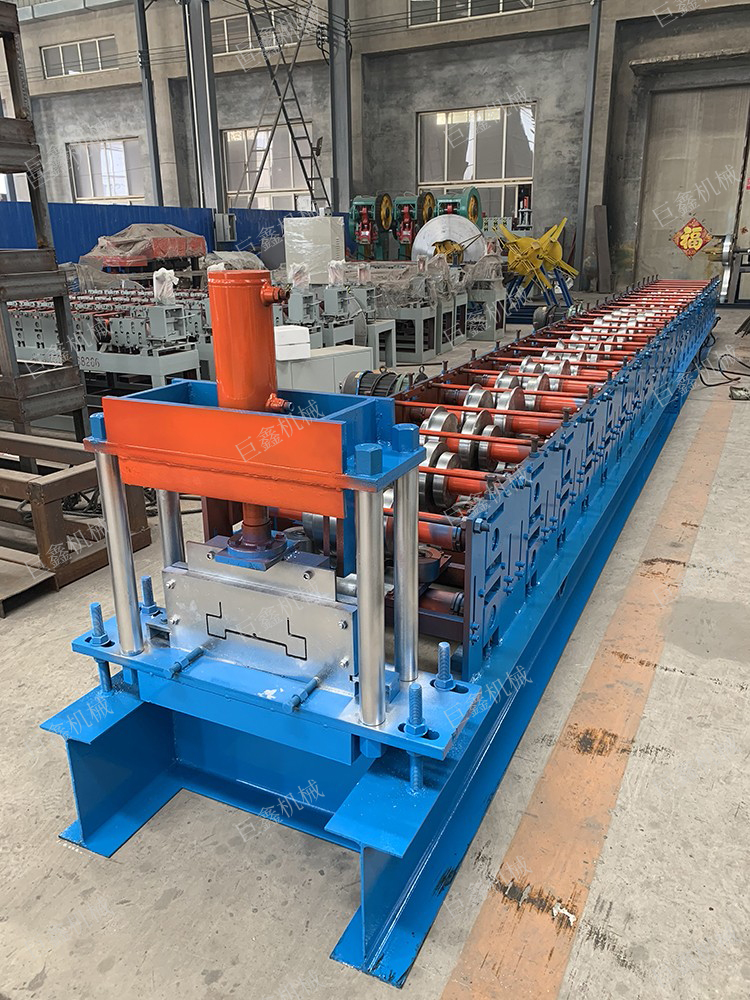
The whole machine adopts a thickened steel integral welded base, which is subjected to aging stress relief treatment after welding, greatly reducing the body vibration and slight deformation of the frame caused by long-term continuous operation, providing a stable installation foundation for the internal roller assembly, transmission mechanism, and hydraulic components. The front end of the equipment is equipped with a coil carrying loading rack, which is used to place the entire coil of metal raw materials. The rack body has a damping braking structure, which relies on resistance to limit the unwinding speed of the coil, avoiding the coil from quickly dispersing due to its own weight inertia, causing deviation, wrinkling, and interlayer misalignment. A board guide and correction component is installed behind the loading rack, consisting of adjustable limit baffles and upper and lower pressure rollers, which provide bidirectional constraints on the boards entering the forming area, ensuring that the strip is always transported at a constant speed along the central axis of the equipment, avoiding problems such as asymmetric bending and uneven pipe wall gaps in the early feeding process.
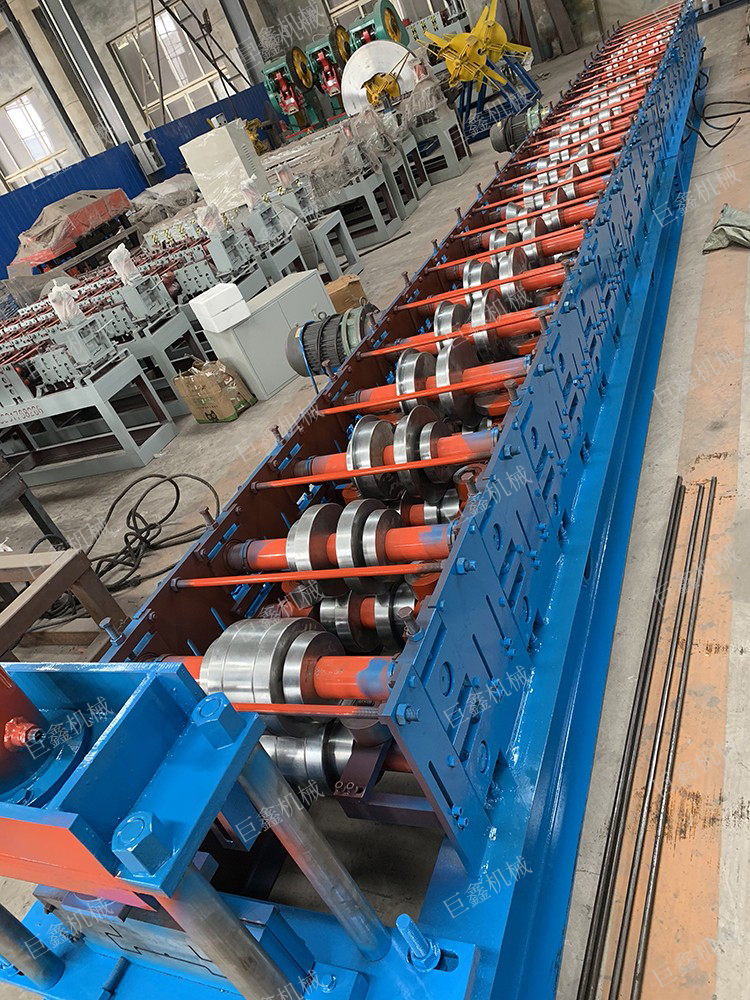
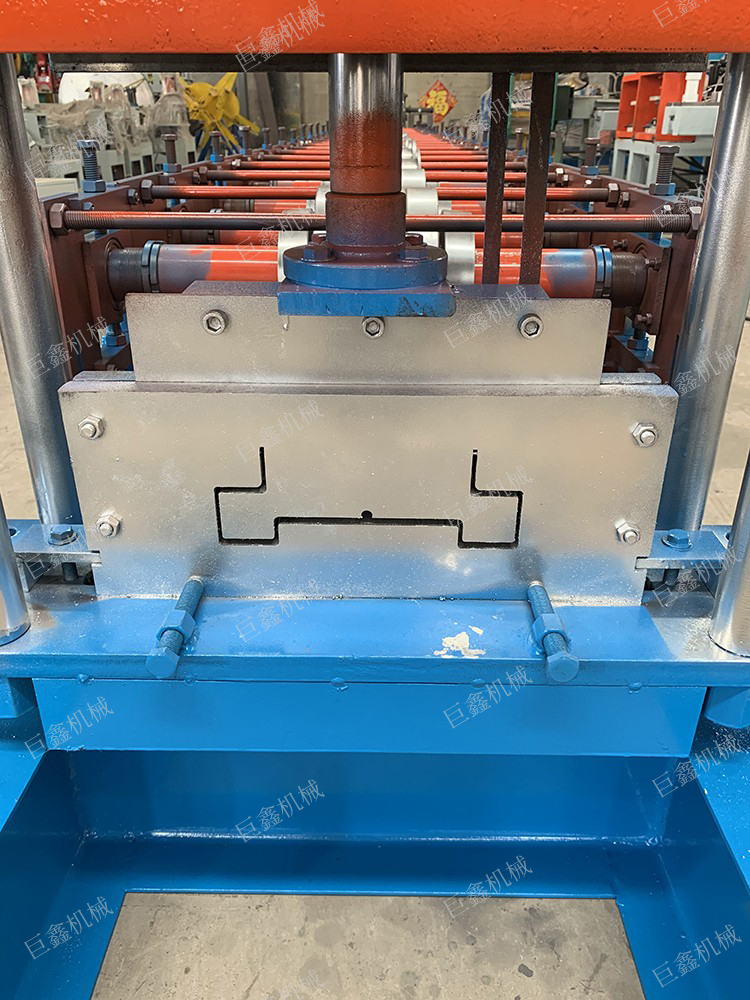
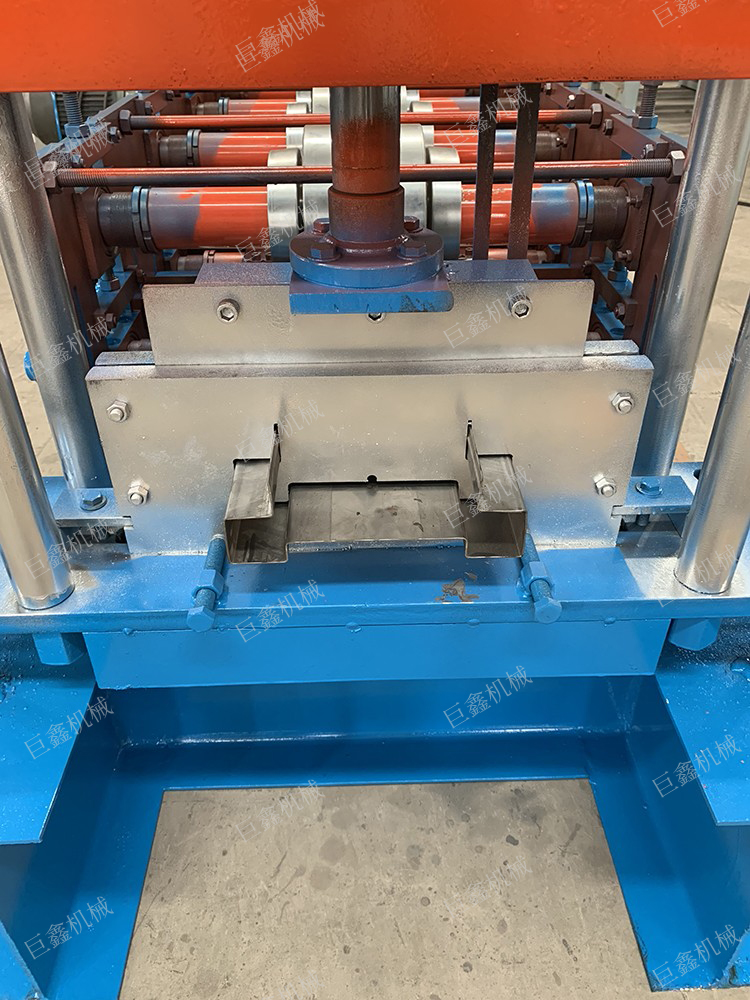
The roll forming host is the core working unit of the entire equipment, which is divided into multiple progressive forming roller groups according to the closed pipe section of the enclosing column. The roller follows the design logic of gradually bending from shallow to deep, step by step. First, the two sides of the flat plate are preliminarily angled, then gradually folded inward and squeezed to fit the seam. Finally, the overlapping position is compacted and interlocked by the locking edge roller, forming a closed tubular structure. The method of staged deformation can disperse the bending stress of the board, avoid coating cracking and metal substrate damage caused by excessive single bending angle, and maximize the protection of the appearance integrity of the board. The rollers are made of wear-resistant materials and processed into shapes. The working surface is hardened, and the metal sheet is not easily worn or grooved after long-term repeated rolling. Heavy load bearings are installed at both ends of the roller shaft, which has low rotational resistance and smooth operation. The entire set of rollers adopts synchronous gear linkage transmission, and the speed of the upper and lower paired rollers is completely synchronized to prevent the single side of the board from being stretched and stretched under force, effectively controlling the uniformity of the column section length, pipe wall gap, and locking edge compaction.
After being fully rolled and pressed with locking edges, the board enters the rear end cutting station. The shearing mechanism adopts a hydraulic driven gantry shearing structure, with high tool alignment accuracy and a smooth and sharp shearing section, without the need for additional grinding treatment. The equipment is equipped with a high-precision length measurement and counting module. The operator pre-set the required length of the finished product for the column in the control system. When the pipe is transported to the set value, the system automatically triggers the cutting command to complete a series of actions such as cutting, counting, and resetting. The cutting repetition error is small, and it is suitable for standardized batch cutting requirements. After the cutting is completed, the column slides smoothly along the inclined discharge bracket, making it easy to stack neatly.
The power system is equipped with a variable frequency speed regulation device, which can flexibly adjust the production line speed according to the thickness of the processed sheet metal and the hardness of the metal material, adapt to the forming rhythm of different raw materials, reduce the mechanical wear of moving parts such as gears, bearings, and transmission shafts, and extend the service life of the whole machine. The operation end is equipped with an integrated control panel, with a simple interface operation logic. Only basic parameters such as finished product length and running speed need to be entered, and the equipment can achieve automatic feeding, automatic bending and forming, automatic edge locking, automatic cutting to length, and automatic counting throughout the entire process. The threshold for manual operation is low, and daily operations can be independently completed after a brief familiarization. All exposed transmission parts such as gears, chains, and shafts should be equipped with protective covers to prevent metal debris from falling into the operating gaps during processing, and to enhance the safety protection level during equipment operation.
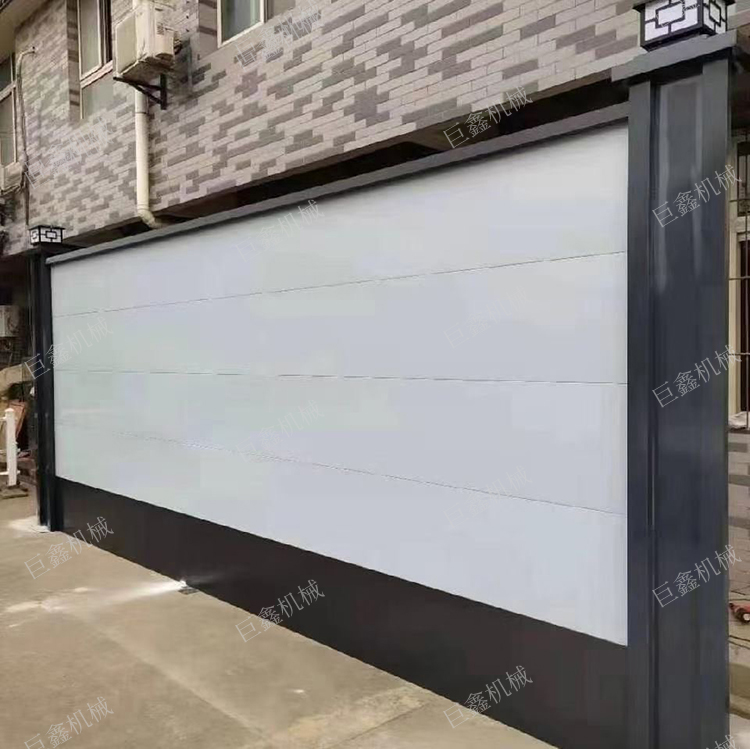
This forming machine is mainly suitable for commonly used metal coils such as color coated steel plates and galvanized cold-rolled thin plates. The formed closed tubular column structure has good overall integrity, excellent vertical pressure bearing and bending resistance. As the vertical support skeleton of the enclosure, it can be fixed on both sides of the enclosure panel through reserved holes or buckle structures. Multiple columns can be combined with horizontal connecting rods to build a complete enclosure frame, which is easy to disassemble and assemble. After disassembly, the components can be put back into use again. The structure of the closed pipe body is less prone to water ingress and corrosion in outdoor environments, and its overall durability is more stable.
The overall structure of the equipment is an integrated floor standing assembly line, with a compact layout that occupies less workshop space. A single device independently completes the complete forming and processing of columns, without the need for multiple devices to be connected in series. Daily maintenance work focuses on regularly adding lubricating grease to bearings, gears, and chains, cleaning dust and metal debris adhering to the surface of rollers, checking for leaks in hydraulic pipelines, verifying the integrity of cutting tool edges, and locking roller compaction gaps. Complete basic maintenance according to the standard cycle, and the equipment can maintain a stable processing state for a long time. The fence column forming machine relies on mature cold bending closed forming technology, focusing on the automated mass production of fence support columns, providing vertical support profiles with standardized dimensions and reliable structures for various temporary site isolation and engineering construction enclosure systems.