
You are here:HOME > PRODUCT > Fence equipment >
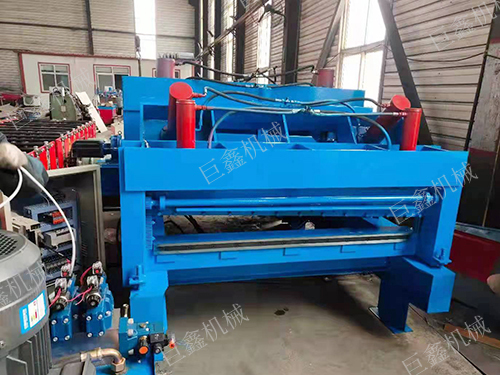
Soundproofing enclosure equipment
13803170595

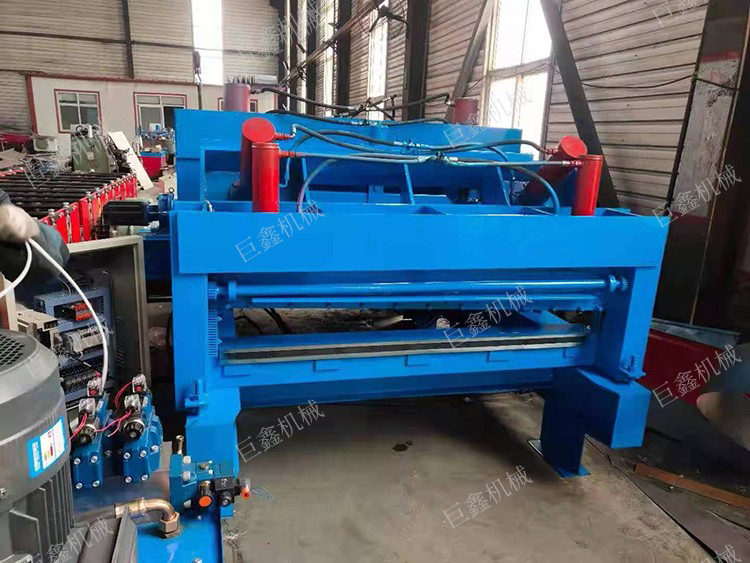
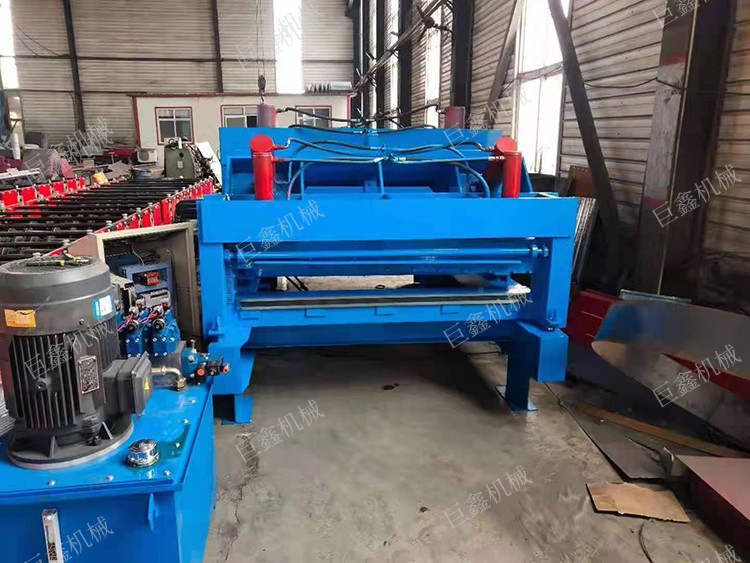
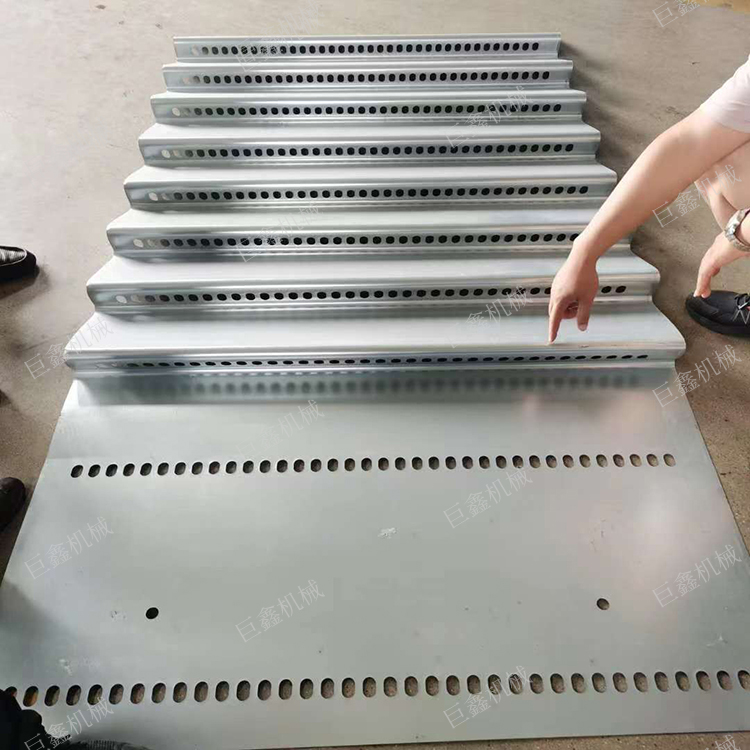
The sound insulation enclosure equipment belongs to a continuous cold bending production line device dedicated to noise reduction enclosure panels. It uses multi pass progressive roller plastic deformation technology at room temperature to gradually bend and shape flat metal strip materials, construct internal cavities and guide groove structures, and finally form an integrated sound insulation enclosure panel with double-layer cavities, reserved sound-absorbing openings, and external reinforcement ribs. The entire processing process is in cold processing mode, without going through high-temperature melting and heat treatment processes, which can fully preserve the anti-corrosion and protective coating on the surface of the metal sheet, maintain the inherent structural strength and corrosion resistance of the substrate. The formed panel relies on a hollow cavity structure to weaken sound wave transmission, and can achieve noise barrier effect by filling the interior with sound-absorbing materials. It is widely used in isolation barrier construction scenarios that require reducing environmental noise transmission. The equipment integrates multiple functions such as coil feeding support, plate centering guidance and correction, multi-stage roll forming, auxiliary punching, hydraulic cutting to length, and finished product discharge into one production line. The raw materials can be loaded and transported in one go to complete all the forming processes, greatly reducing the scratching and extrusion deformation of the board surface caused by multiple material transfers, and ensuring that the external dimensions, cavity depth, and rib arrangement of each soundproof enclosure panel produced in bulk are completely uniform.
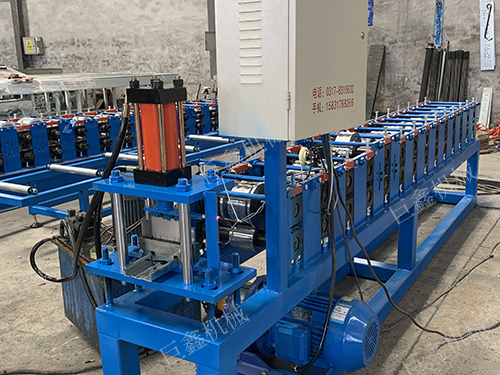
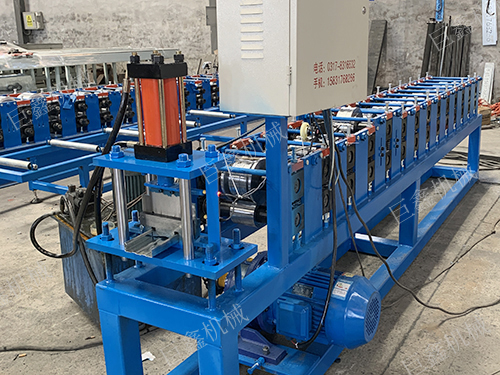
The main body of the equipment adopts an integral steel welded frame base, which is subjected to aging stress relief treatment after welding to eliminate the internal stress generated by frame welding, reduce the vibration of the machine body and the slight displacement of the frame during long-term continuous high-speed operation, and provide a stable and reliable bearing base for the roll forming host, transmission system, and hydraulic punching and shearing unit. The front-end is equipped with a coil feeding support frame for placing the entire coil of metal coil. The support frame is equipped with damping braking components, which control the release speed of the coil by relying on damping resistance to avoid the coil from quickly loosening due to its own gravity inertia, resulting in deviation, wrinkles, interlayer stacking, edge distortion, and other situations. A guide limit correction mechanism is installed behind the loading rack, with manually adjustable limit blocks on both sides. It is equipped with upper and lower polyurethane coated pressure rollers to limit the left and right movement of the moving sheet and compact it up and down. This ensures that the metal strip enters the forming machine at a constant speed along the equipment's central axis, avoiding processing deviations such as asymmetric bending of the cavity, skewed ribs, and inconsistent folding heights on both sides of the panel from the feeding source.
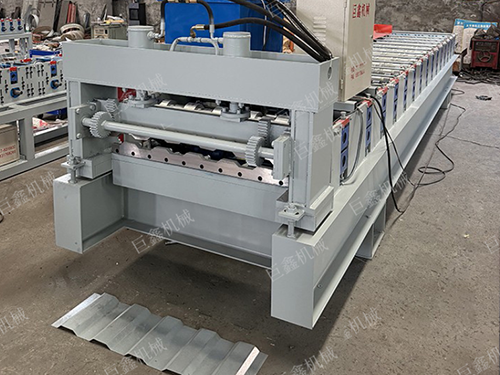
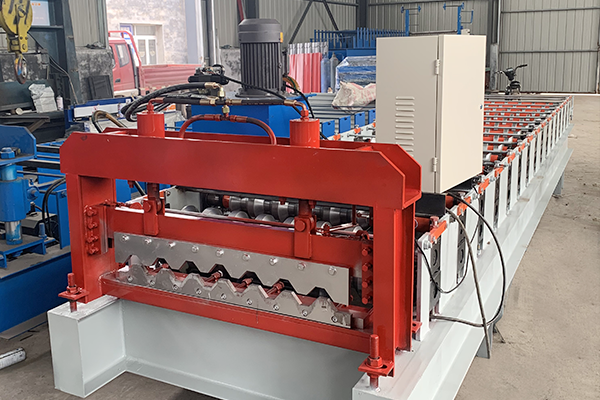
The roll forming host is the core executing component of the entire equipment, which is divided into dozens of gradually arranged forming rollers according to the complex double-layer cavity section of the soundproof enclosure panel inside. The roller follows the design principle of phased deformation. First, the flat plate is folded and shaped, and then gradually bent inward to press the hollow soundproof cavity. At the same time, multiple concave and convex reinforcement ribs are pressed on the surface of the plate to enhance the overall rigidity of the panel. Finally, the overlapping edge sealing position of the panel is closed regularly. The step-by-step bending method can effectively disperse the internal stress generated by the deformation of the board, prevent the cracking of the surface coating and the damage of the metal substrate caused by excessive bending angle in a single bending, and maximize the integrity and anti-corrosion performance of the finished panel appearance. The roller body is processed with wear-resistant materials, and the working surface has undergone hardening and wear-resistant treatment. Long term rolling of metal plates is not easy to cause wear, depression, and scratches. Heavy duty silent rolling bearings are installed at both ends of the roller shaft, with low rotational resistance and smooth operation of the whole machine. The entire set of rollers adopts a synchronous gear linkage transmission structure, and the speed of the upper and lower paired rollers is kept completely consistent, avoiding the thinning of the board due to unilateral force. The precise control of various parameters such as cavity depth, panel total width, reinforcement rib spacing, and splicing edge angle ensures uniform gaps and better overall sealing of the barrier when multiple panels are spliced in the future.
A hydraulic punching auxiliary station can be installed in the middle section of the roll forming process. According to the design requirements of sound insulation enclosure assembly and sound wave guidance, regular guide holes and installation fixing holes can be punched in the designated area of the panel. The punching mold is made according to the predetermined aperture and hole spacing, and the hydraulic driven punch can complete the punching operation in one go. The hole wall is smooth and tidy, without the need for secondary polishing treatment. The punching process is synchronized with the roll forming process, without taking up additional production time. The semi-finished panel products that have completed punching and shaping are further transported back to the end cutting station. The cutting mechanism adopts a hydraulic gantry cutting structure, with high fit between the upper and lower cutting tools and a smooth and sharp cutting surface. The equipment is equipped with a high-precision length measurement and counting module. The operator inputs the finished length of a single soundproof enclosure panel into the control system. When the panel reaches the set value, the system automatically issues a cutting command to complete the entire process of cutting, counting, and automatic reset. The cutting accuracy is stable and suitable for standardized batch production. The finished panel after cutting smoothly slides down the inclined discharge tray for centralized stacking and organization.
The power transmission system is equipped with a variable frequency speed regulation device, which can flexibly adjust the operating speed of the entire production line according to the thickness of the processed sheet metal and the hardness of the metal material, adapt to the forming rhythm of different raw materials, slow down the start stop impact and long-term wear of moving parts such as gears, bearings, and transmission chains, and extend the overall service life of the equipment. The operation area is set up with a simple visual control panel, and the operation logic is concise and clear. Only a few basic parameters such as finished product length, punching spacing, and running speed need to be entered. The equipment can achieve automatic feeding, automatic roll forming, automatic punching, automatic cutting to length, and automatic counting throughout the entire process. The difficulty of manual operation is low, and after a brief familiarization, daily production operations can be independently completed. All exposed gears, shafts, and transmission chains are equipped with protective covers to prevent metal debris from falling during processing from entering the gaps of mechanical operation, while also improving the safety protection level of equipment on-site operations.
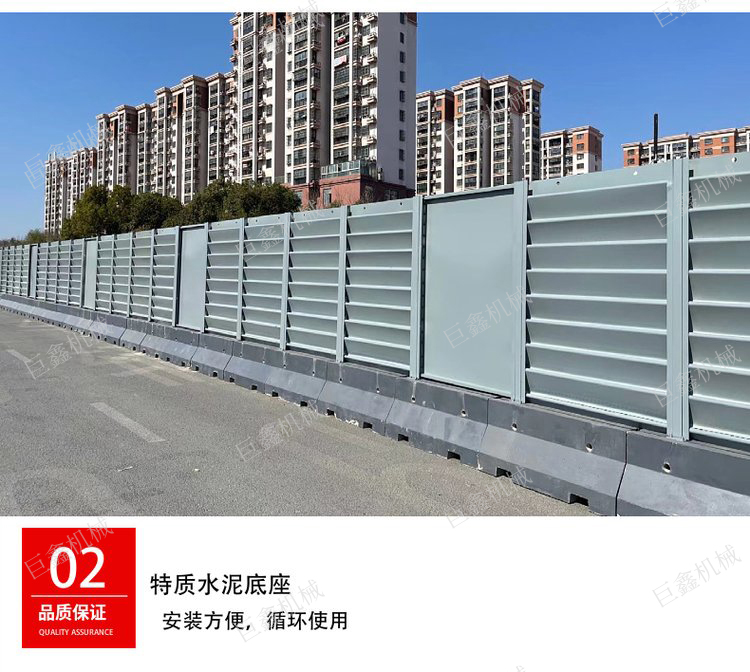
The soundproof enclosure equipment is mainly suitable for the processing of conventional thin-walled coils such as galvanized steel plates and color coated metal sheets. After forming, the hollow cavity panel can be filled with noise reducing materials such as sound-absorbing cotton. The air cavity is used to buffer the sound wave vibration, weaken the outward diffusion of noise, and the reinforced ribs pressed together on the panel surface greatly improve the panel's wind pressure resistance. It is not easy to bend or sink when used outdoors for a long time. The panel side is equipped with a bite joint structure, which tightly connects the panels to reduce sound leakage gaps. The entire barrier is easy to disassemble and assemble, and the disassembled panels can be reused. The hollow structure can also reduce direct rainwater erosion and improve the outdoor durability of the components.
The overall layout of the equipment is an integrated floor to ceiling assembly line, with a compact and orderly structure, occupying a moderate area of the workshop production site. A single device can independently complete the molding and processing of the soundproof enclosure panel, without the need for multiple devices to be connected in series. The daily maintenance workflow is simple, mainly including regularly adding lubricating grease to bearings, gears, and transmission chains, cleaning dust and small metal debris adhering to the surface of rollers, checking for leaks in hydraulic pipelines, verifying the integrity of punching molds, cutting tool edges, and the fit clearance between forming rollers. By carrying out basic maintenance according to a fixed cycle, the equipment can maintain a stable and continuous processing state for a long time. The soundproof enclosure equipment relies on mature multi cavity cold bending forming technology, focusing on the automated large-scale production of noise reduction isolation enclosure panels, providing structurally strong and stable soundproof enclosure panels for noise control scenarios such as roads, factories, and construction areas.