
You are here:HOME > PRODUCT > Fence equipment >
Fence equipment
13803170595

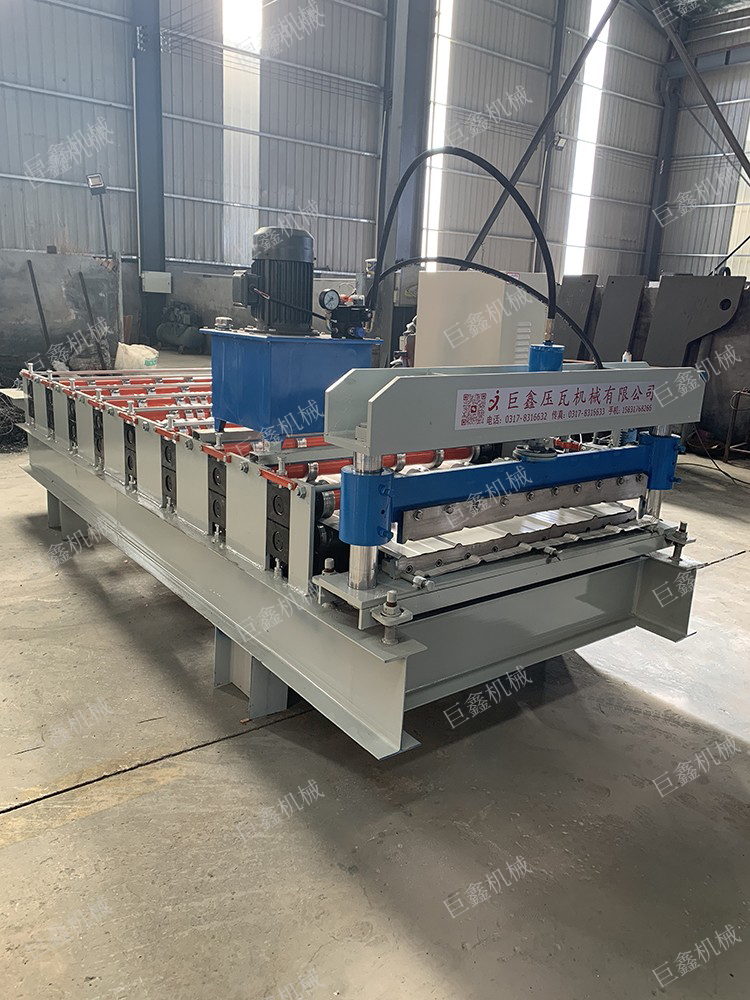
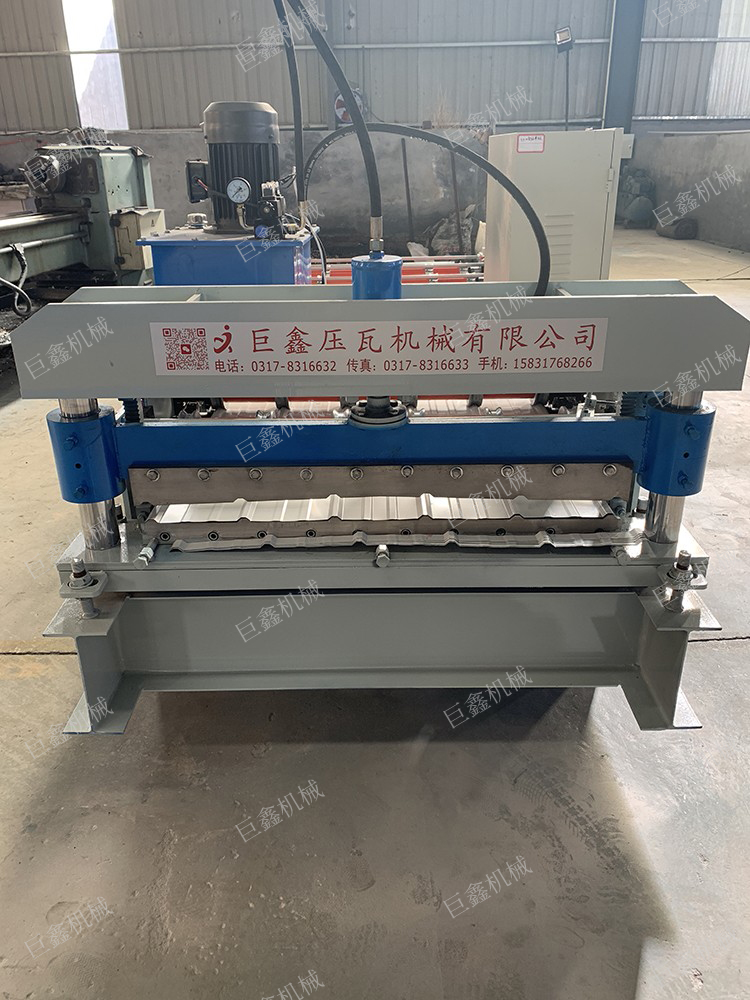
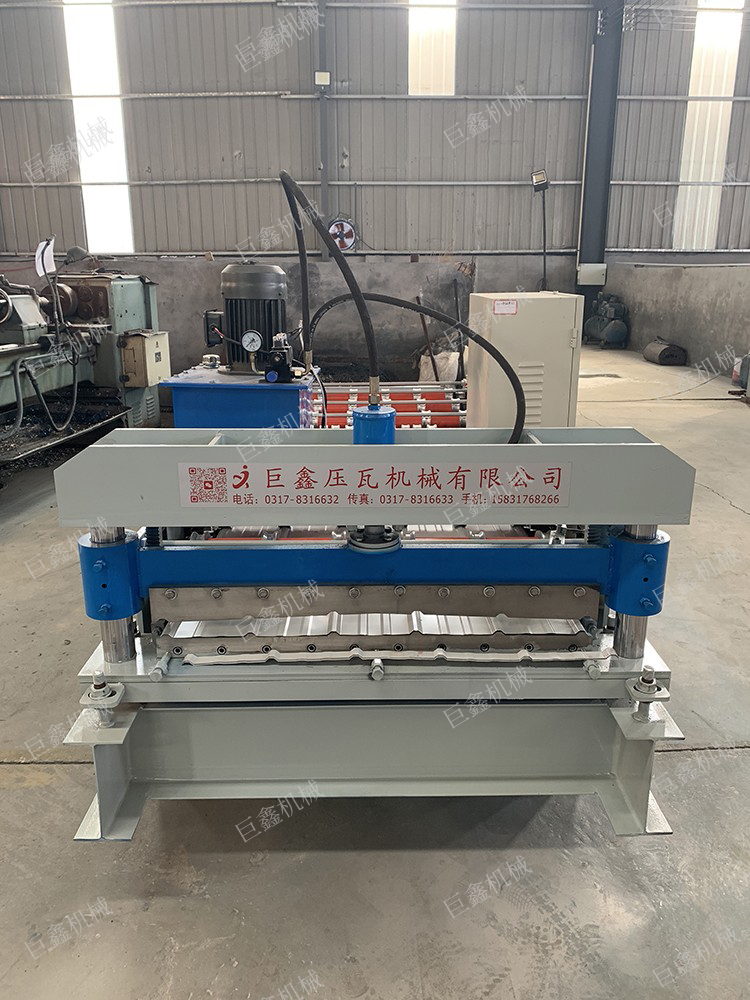
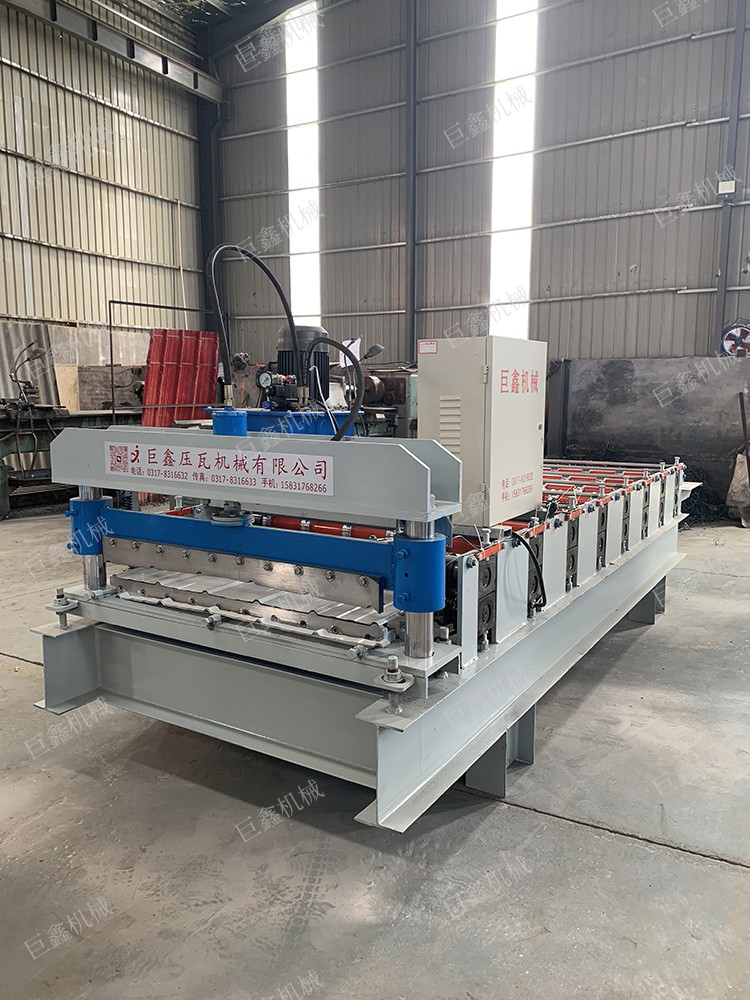
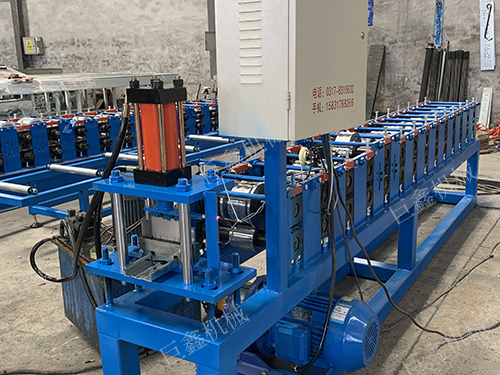
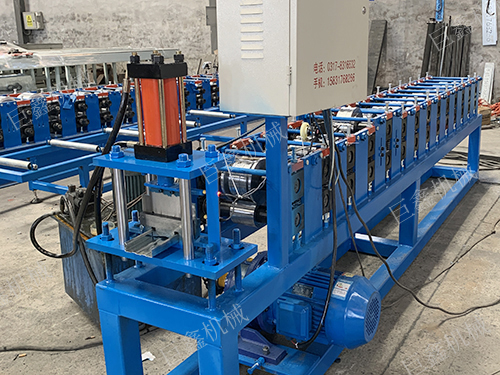
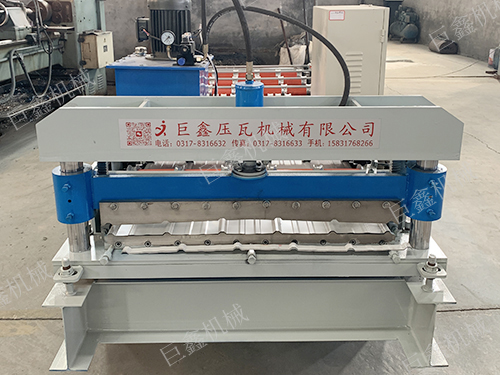
The enclosure panel equipment is a specialized cold bending forming equipment used for the processing of prefabricated construction enclosure panels. Based on the ambient temperature progressive rolling plastic deformation process, the flat metal strip coil is bent step by step through multiple passes of rollers, reinforced ribs are pressed, and side splicing slots are formed, ultimately forming a long strip enclosure panel with a regular structure and self-locking splicing structure. The entire processing process adopts cold processing method without high-temperature heat treatment operation, which can fully preserve the protective coating on the surface of the metal sheet and the physical and mechanical properties of the substrate itself, avoiding situations such as coating peeling and stress cracking of the sheet caused by high temperature. After forming, the sheet metal relies on its own folding and interlocking slots to build a closed isolation barrier, which is often used for construction site area division, temporary road isolation, site boundary closure and other scenarios. It is the core processing carrier for automated mass production of light steel structure enclosure system sheet metal. The equipment integrates the loading and storage of coil materials, centering guidance and correction of sheet materials, multi-stage roll forming, hydraulic cutting to length, and automatic discharge of finished products into a coherent automated production line. All processing procedures can be completed in one loading of raw materials, greatly reducing the scratching, twisting and deformation of the board surface caused by repeated material handling, and ensuring that the external dimensions, rib distribution, and slot depth of each fence produced in the same batch are highly uniform.
The equipment adopts a thickened steel integrated welding base as a whole. After welding is completed, it undergoes aging stress relief treatment to effectively release the internal stress generated during the welding process, reduce the vibration of the equipment body and the slight displacement of the frame during long-term continuous full load operation, and provide a stable and reliable installation foundation for the roller forming host, transmission system, and hydraulic shearing mechanism above. The front-end is equipped with a coil feeding support frame to support the entire coil of metal raw materials. The support frame is equipped with a damping braking structure, which relies on damping resistance to smoothly release the coil and prevent the coil from quickly loosening due to its own gravity inertia, resulting in abnormal feeding such as deviation, wrinkles, interlayer stacking, and edge warping. A guide limit correction mechanism is installed behind the loading rack, and the distance between the two side baffles can be manually adjusted. Combined with upper and lower polyurethane coated pressure rollers, the moving plate is compressed and limited in both directions, allowing the metal strip to enter the forming machine at a constant speed along the central axis of the equipment, avoiding processing defects such as asymmetric bending, side bending of the plate surface, and inconsistent depth of the groove from the feeding source.
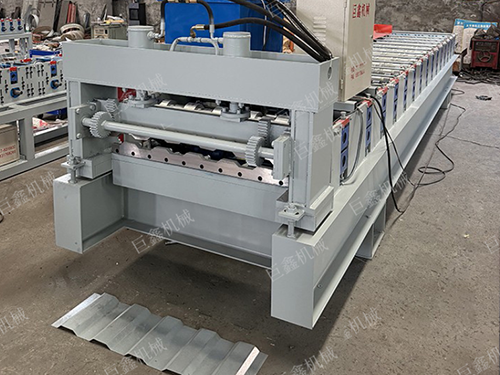
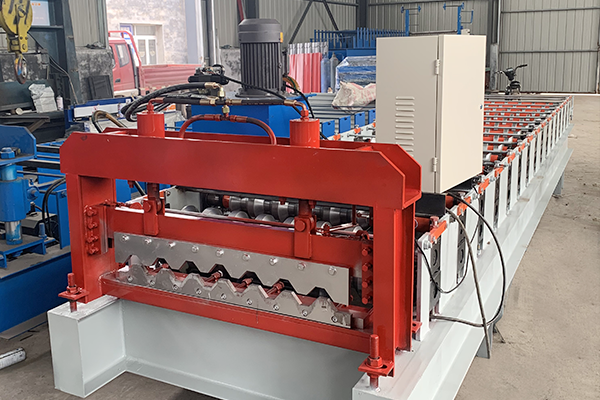
The roll forming host is the core working unit of the entire equipment, with multiple sets of progressive forming rollers arranged according to the complete cross-sectional profile of the baffle plate inside. The roller follows the design logic of small deformation in stages. First, the flat plate surface is pressed with concave and convex reinforcement ribs to improve the rigidity of the plate. Then, the two sides of the plate are folded and bent step by step. Finally, interlocking buckle slots are processed and edge closure is made for shaping. Multiple dispersed bending can fully release the internal stress generated by the bending of the board, without damaging the anti-corrosion coating on the surface of the board due to excessive single bending angle, ensuring the appearance integrity and outdoor weather resistance of the finished board to the greatest extent possible. The roller body is processed with wear-resistant materials, and the working surface has undergone hardening and wear-resistant treatment. Long term repeated rolling of metal plates is not easy to cause wear, grooves, and scratches. Heavy duty rolling bearings are installed at both ends of the roller shaft, with low rotational resistance and smooth operation of the whole machine. The entire set of rollers adopts a synchronous gear linkage transmission mode, and the speed of the upper and lower paired rollers is completely consistent, avoiding the single side of the plate from being stretched and thinned due to force. The key parameters such as the total width of the baffle, the height of the folded edge, the spacing between the reinforcing ribs, and the size of the slot engagement are precisely controlled to ensure that the splicing and engagement between the plates are moderately tight and the gaps are uniform.
After complete roll forming, the sheet is transported backwards to the end cutting station. The cutting mechanism adopts a hydraulic driven gantry cutting structure, and the upper and lower cutting tools are tightly fitted. The cut ends are flat and smooth, without the need for additional secondary polishing treatment. The equipment is equipped with a high-precision length measurement and counting module. The operator inputs the required length of the finished product for a single fence in the control system. When the board reaches the set value, the system automatically issues a cutting command to complete the cutting, counting, and automatic reset of the entire set of actions. The repeated precision of fixed length cutting is stable, suitable for large-scale standardized batch cutting. The finished boards that have been cut smoothly slide down the inclined discharge tray, making it easier for workers to concentrate and stack them neatly.
The power transmission system is equipped with a variable frequency speed control device, which can flexibly adjust the operating speed of the entire production line according to the thickness of the processed sheet metal and the hardness of the metal material, adapt to the forming rhythm of different raw materials, reduce the mechanical impact of moving parts such as gears, bearings, and transmission chains during start stop and load switching, delay the wear rate of components, and extend the overall service life of the equipment. The operation area is set up with a simple and intuitive visual control panel, and the operation logic is simple and easy to understand. Only a few basic parameters such as the length of the finished product and the running speed need to be entered. The equipment can achieve automatic feeding, automatic roll forming, automatic cutting to length, and automatic counting throughout the entire process. The threshold for getting started is low, and after a short period of familiarity, daily production operations can be independently completed. All exposed gears, shafts, and transmission chains are equipped with enclosed protective covers to prevent metal debris from falling into the mechanical operation gaps during processing, and to enhance the safety protection level of on-site equipment operations.
The fence equipment is mainly suitable for processing conventional thin-walled metal coils such as galvanized thin plates and color coated steel plates. The reinforced rib structure of the integrated pressing of the formed fence enhances the bending and compression resistance of the sheet, and is less prone to bending and sinking under wind force in outdoor environments. The side integrated bite slot simplifies the on-site assembly process. The panels are directly plugged and fixed, and can be quickly assembled with columns and beams to form a complete enclosure. The disassembly and assembly operation is simple, and the removed panels can be stored and reused for subsequent enclosure construction. The folded closed structure can also reduce rainwater infiltration and slow down the corrosion rate of metal components.
The overall layout of the equipment is an integrated floor to ceiling assembly line, with a compact and orderly body structure, occupying a moderate area of the workshop production site. A single device can independently complete the entire forming process of the fence from coil to finished product, without the need for multiple devices to be connected in series for use. The daily maintenance work is routine and easy to execute, mainly including regularly adding lubricating grease to bearings, gears, and transmission chains, cleaning the dust and small metal debris adhering to the surface of the forming rollers, checking for leaks in hydraulic pipelines, verifying the integrity of the cutting edge of the shearing tool, and checking the fit clearance between the roller groups. By implementing basic maintenance according to the established cycle, the equipment can maintain a continuous and stable processing state for a long time. The fence equipment relies on mature cold bending roll forming technology, focusing on the automated mass production of engineering construction isolation fence panels, providing standardized metal panels with standardized dimensions and sturdy structures for various types of enclosed temporary fences.