
You are here:HOME > PRODUCT > Double layer tile press machine >
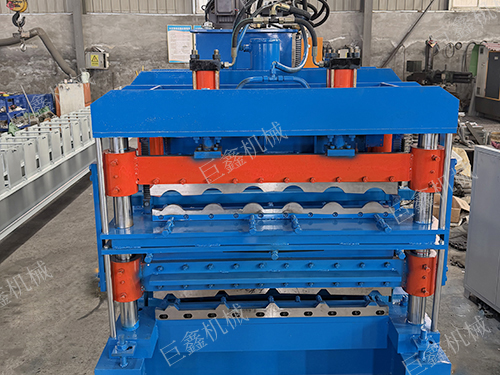
Three-layer tile press
13803170595

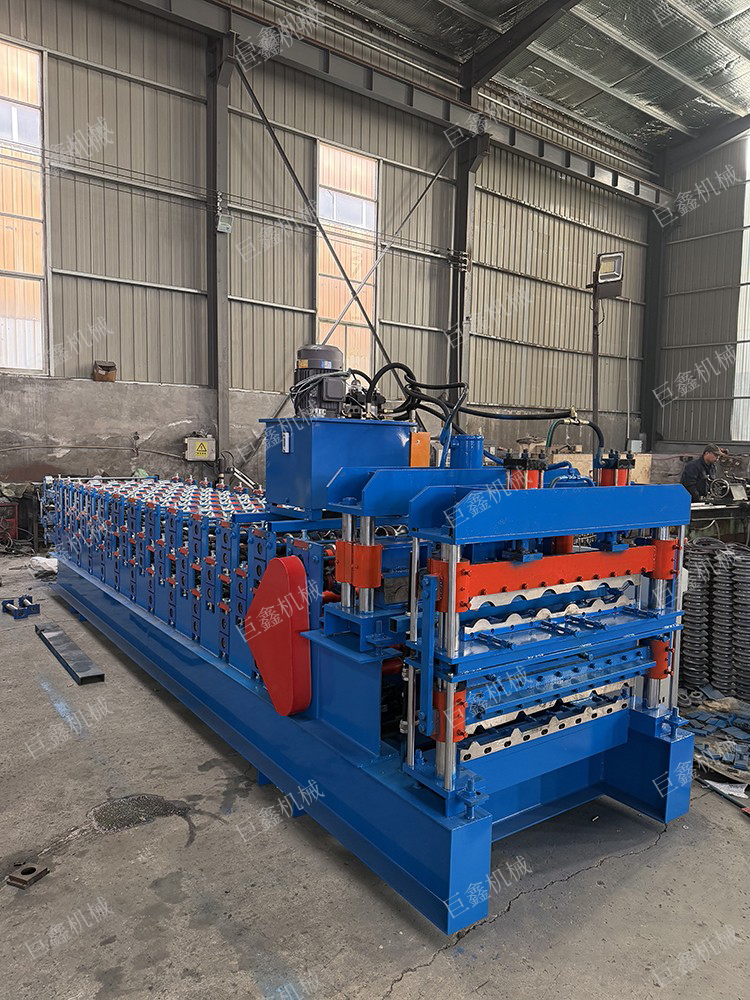
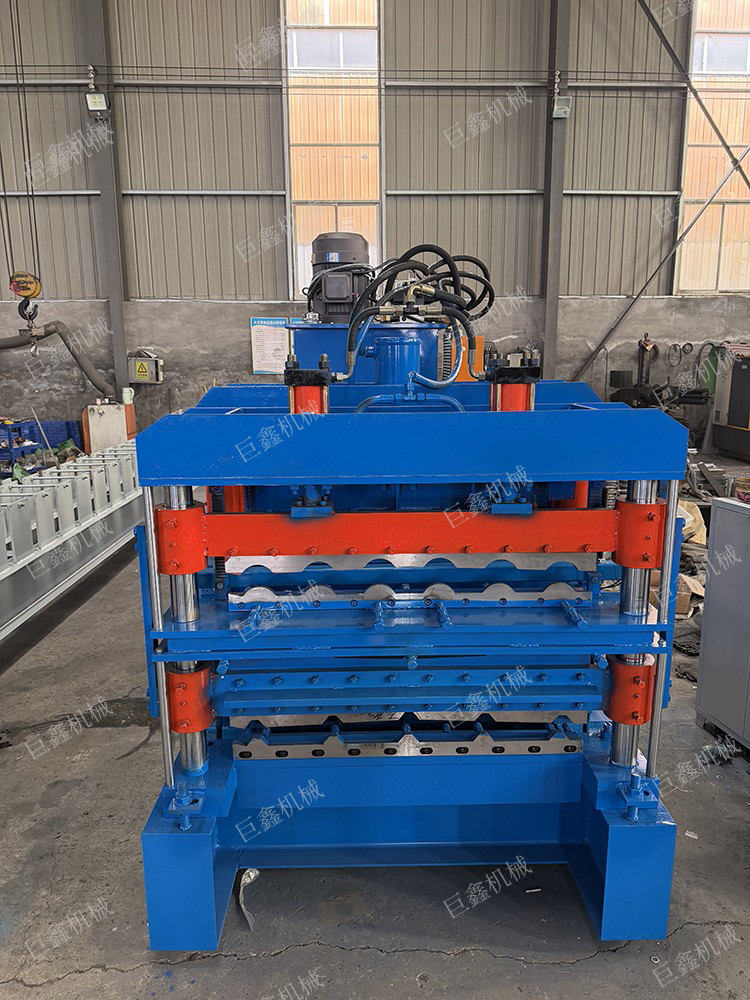
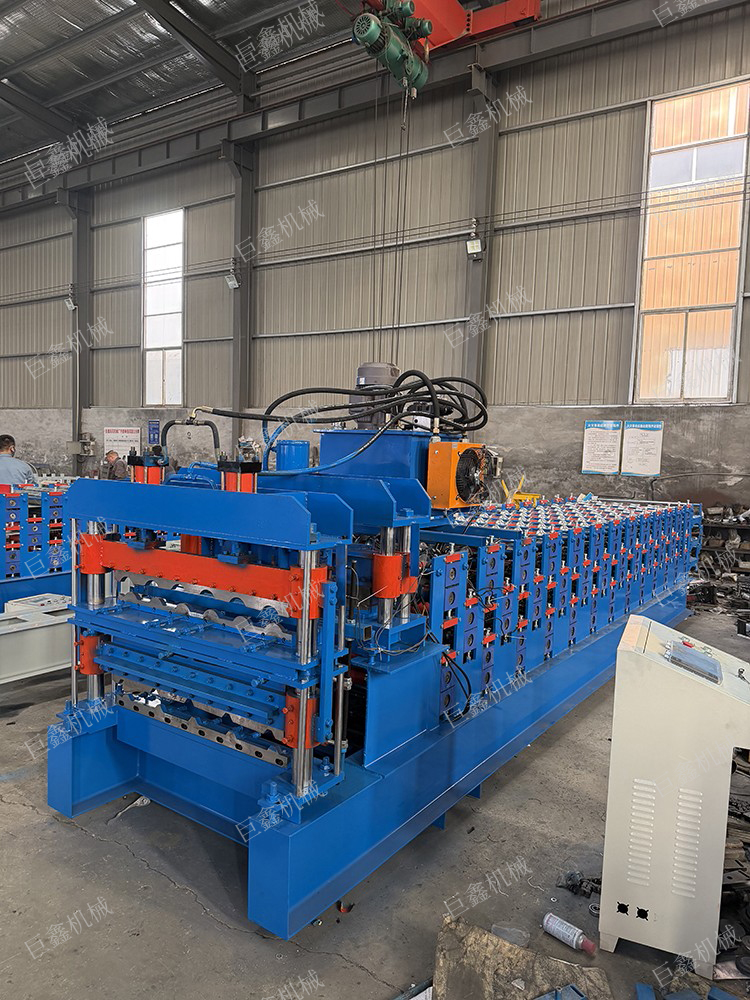
The three-layer laminating tile machine is a composite color steel cold bending forming equipment that integrates three types of plate forming functions. It relies on the ambient temperature progressive rolling plastic deformation process and sets up three sets of independent forming roller systems, upper, middle, and lower, inside the same rack. It can process three different cross-sectional specifications of roof tiles and wall enclosure color steel plates.
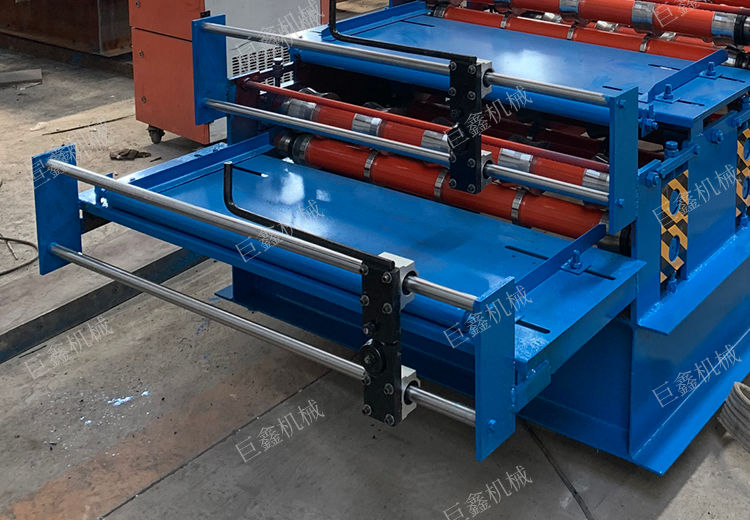
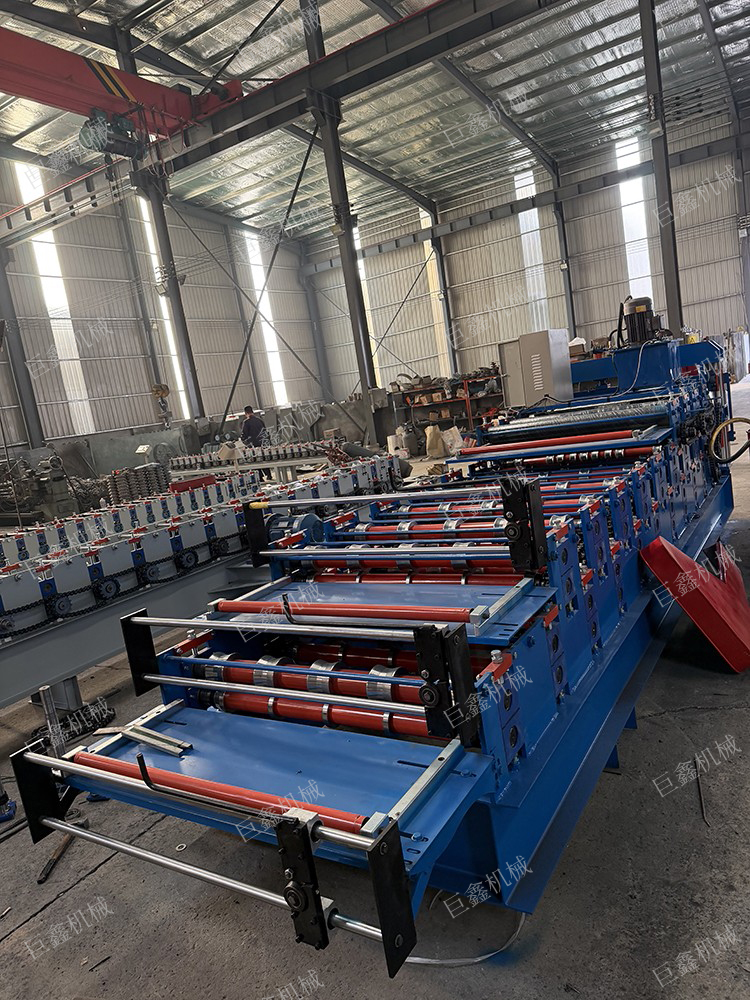
. The entire process of the equipment adopts cold processing molding method, which does not change the original physical properties of the metal substrate, and preserves the anti-corrosion coating on the surface of the color steel plate intact, avoiding coating cracking and peeling during the bending process. One equipment replaces the production capacity of three single-layer tile pressing equipment, effectively reducing the workshop footprint and equipment foundation investment. It is suitable for batch rotation production of multi specification color steel tiles in color steel processing plants. The whole machine integrates a feeding rack, a guiding feeding mechanism, a three-layer independent roller press host, a hydraulic shearing system, a variable frequency control system, and a finished product discharge bracket. After the coil is erected in one go, the corresponding forming channel can be switched according to production needs, and the entire process of feeding, multi-stage bending and pressing, fixed length cutting, counting and discharging can be automated to reduce the time loss caused by frequent disassembly and assembly of equipment and ensure the uniformity of the forming size of various types of tiles.The equipment base adopts an integral thickened steel welded frame, which undergoes aging stress relief treatment after welding to fully dissipate the internal stress generated by welding, greatly reducing the resonance and frame deformation caused by the synchronous operation of the three-layer roller group. It provides a high-strength and stable base for the three-layer independent forming host, transmission assembly, and hydraulic cutting unit. The front end is equipped with a universal single roll feeding support frame, which can adapt to the inner diameter and width specifications of conventional color steel coils. The bracket is equipped with damping brake components, which control the release speed of the coil by resistance, preventing the coil from loosening, deviating, wrinkling, and twisting at the edge due to its own weight inertia. The feeding position is equipped with an adjustable guiding and pressing mechanism. When switching between different forming channels, the limit block can be adjusted accordingly to center and compact the plate, ensuring that the steel strip enters the selected forming roller smoothly. This avoids forming defects such as tile bending, uneven wave height, and misaligned overlapping edges from the feeding process.
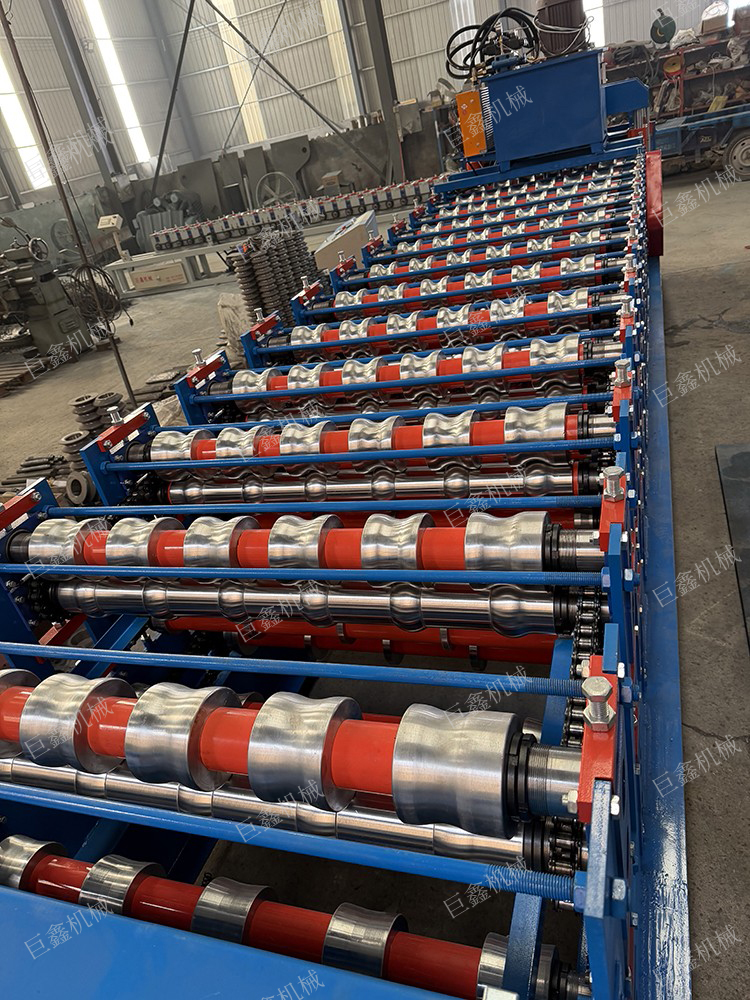
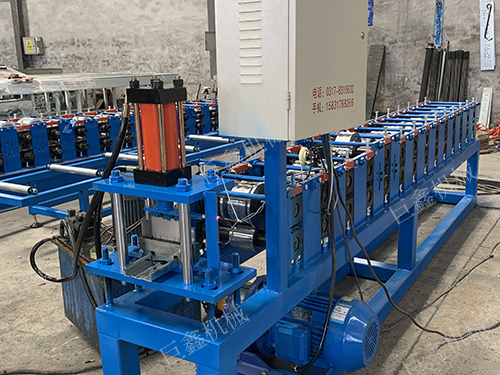
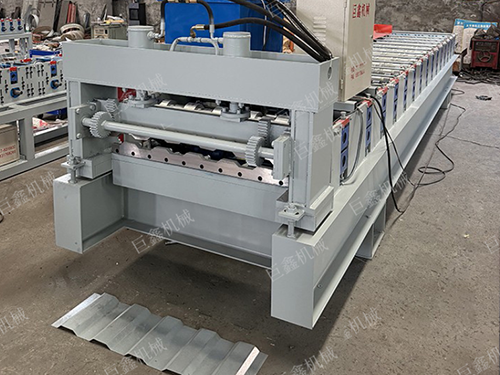
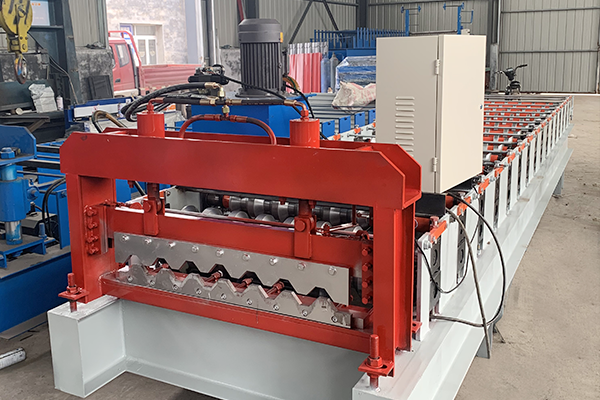
The three-layer independent roll forming host is the core structure of the equipment. The three-layer roller groups are arranged independently of each other, and each roller is designed with multiple passes of sequential forming according to the corresponding wave curvature, overlapping groove, and reinforcement rib of the tile. Each layer of rollers follows the principle of step-by-step deformation, gradually pressing the corrugation curvature and side overlapping edges from shallow to deep, dispersing the bending stress of the board, and protecting the integrity of the color steel paint surface. The roller is made of wear-resistant material and precision machined. The working surface is hardened and the color steel plate is wear-resistant and wear-resistant for long-term rolling. The roller shaft is equipped with heavy-duty bearings at both ends, which provide smooth rotation and low resistance. Each layer of roller group is equipped with an independent synchronous gear transmission structure, which ensures that the speed of the upper and lower rollers is consistent, preventing the unilateral stretching and thinning of the board. The wave distance, wave height, and effective coverage width of the three types of tiles can be accurately controlled, and the tile joints are tightly interlocked, resulting in better waterproof sealing of the roof. The three-layer structure shares a set of fuselage frames, with a compact and orderly layout that avoids interference between multiple layers of operation. Pattern switching only requires adjusting the parameters of the feed guidance and control system, making it easy to operate.
After the sheet is fully rolled and shaped at the corresponding level, it is transported to a shared hydraulic cutting station. The gantry type hydraulic cutting tool holder can adapt to cutting three layers of different width sheets, with high tool fit and a smooth and burr free cutting section, without the need for subsequent polishing treatment. The equipment is equipped with a high-precision pulse length measuring and counting device. The required length of the finished tiles is recorded on the control panel, and the cutting action is automatically triggered when the board runs to the set size, completing the cutting, counting, and automatic reset cycle operation. The cutting accuracy is stable and meets the standardized cutting requirements of the roof engineering. The cut color steel tiles slide down in an orderly manner along the layered discharge bracket, making it convenient for classification, stacking, and packaging.
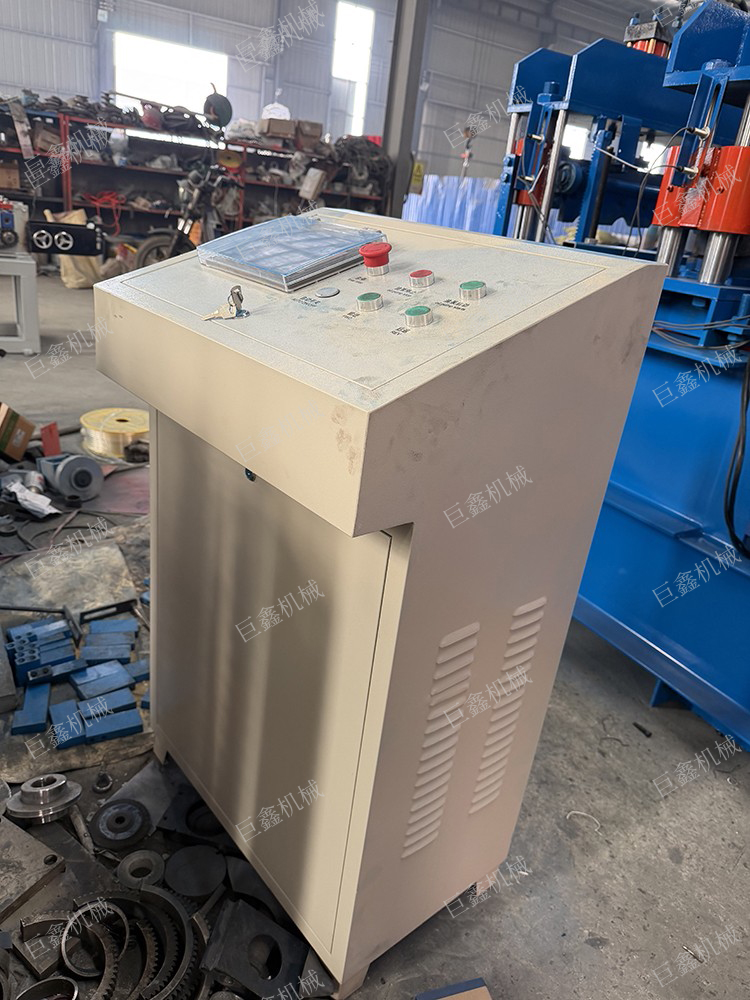
The power system adopts an integrated variable frequency speed regulation configuration, which can adjust the operating speed of the whole machine according to the thickness of the color steel plate and the complexity of the tile forming, reduce the wear of multi-layer transmission gears, chains, and bearings during long-term continuous operation, and extend the service life of the whole machine. The console integrates a centralized control panel with clear functional zoning. By selecting the number of forming layers, setting the length and running speed of the finished product, the fully automatic production mode can be activated, achieving automatic feeding, layered roll forming, automatic cutting to length, and automatic counting in a closed-loop operation. After simple learning, operators can proficiently complete pattern switching and daily production. All exposed transmission gears, shafts, and chains of the entire machine are uniformly equipped with safety protective covers to prevent color steel debris from entering the operating clearance, while complying with general mechanical equipment safety protection regulations.
The three-layer tile press is mainly suitable for conventional roof building materials such as color steel coils and galvanized color steel plates. The three-layer channel can be freely matched with any combination of roof large wave tiles, roof small wave tiles, wall veneers, etc. The corrugated structure of the produced color steel tiles has good drainage capacity, and the joint structure reduces rainwater leakage. The strength of the board itself is sufficient to withstand outdoor wind pressure loads, and it is widely used in factory workshops, warehouses, simple shed roofs, steel structure building roofs, and exterior wall enclosure construction. The design of one machine with multiple uses greatly saves the space for factory placement, reduces the power distribution, land occupation, and manual operation and maintenance costs corresponding to multiple devices, makes tile disassembly and assembly easy, and facilitates roof maintenance and replacement in the later stage.
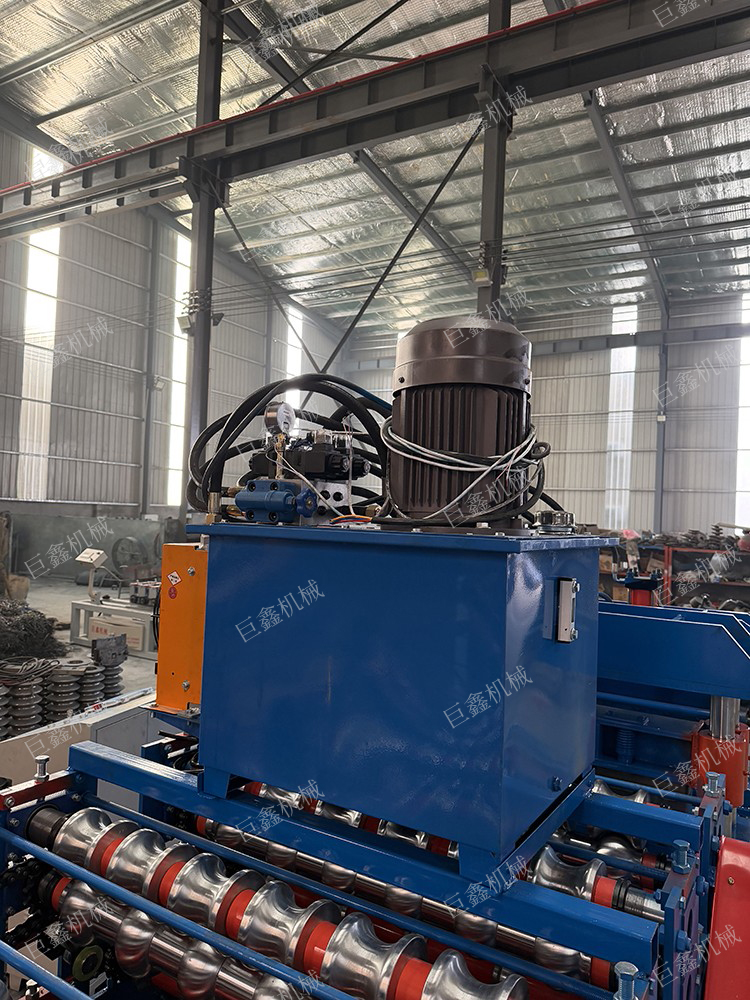
The equipment is a solid and integrated structure with a sturdy frame that is not easily shaken, and the installation and debugging process is standardized. The daily maintenance content is simple and routine, mainly including regularly adding lubricating grease to all transmission bearings, gears, and chains in the three layers, cleaning the paint debris and dust adhered to the surface of the rollers layer by layer, checking for leaks in the hydraulic pump station oil circuit, verifying the sharpness of the hydraulic cutting blade, and regularly calibrating the coaxiality and feed guide clearance of the three-layer roller group. By regularly performing basic maintenance, the equipment can produce three types of color steel profiled sheets in a stable and long-term rotation. The three-layer laminated tile machine relies on a multi-layer integrated cold bending forming architecture to maximize equipment utilization and workshop space utilization, providing efficient and intensive automated forming solutions for the production of multi category roof and wall tiles in the color steel building materials processing industry.
Triple laminated tile machine is a cold bending equipment designed for producing color steel wall panels and roof panels. The whole machine, PLC computer control system, and products have the characteristics of light weight and heavy load-bearing capacity, and are widely used in the multi story steel structure construction industry.
It has a simple mechanical structure, does not require complex roller changing and control systems, and has low maintenance costs in the future.
Advantages: The structure is sturdy, the performance is stable, the core rolling mill has a long service life, and it performs well in continuous production of a single plate type.
Mechanical transmission: Usually driven by a gearbox, it has good synchronization, smooth operation, and a relatively low failure rate.
No need for specialized technicians: Control systems are usually simple relays and counters that can be independently operated by ordinary workers after brief training, with low personnel requirements.
Easy debugging: Once the debugging is completed, there is almost no need to adjust it again for daily production, and it can be started up for production.
Small footprint and flexible layout
Applicable materials include aluminum zinc color steel plate, aluminum magnesium manganese plate, stainless steel plate, etc.
The overall length of the equipment is relatively short, and the space requirements for the production workshop are not high. It can even be installed and produced in a smaller area.