
You are here:HOME > PRODUCT > Double layer tile press machine >
Customized double-layer tile press machine
13803170595

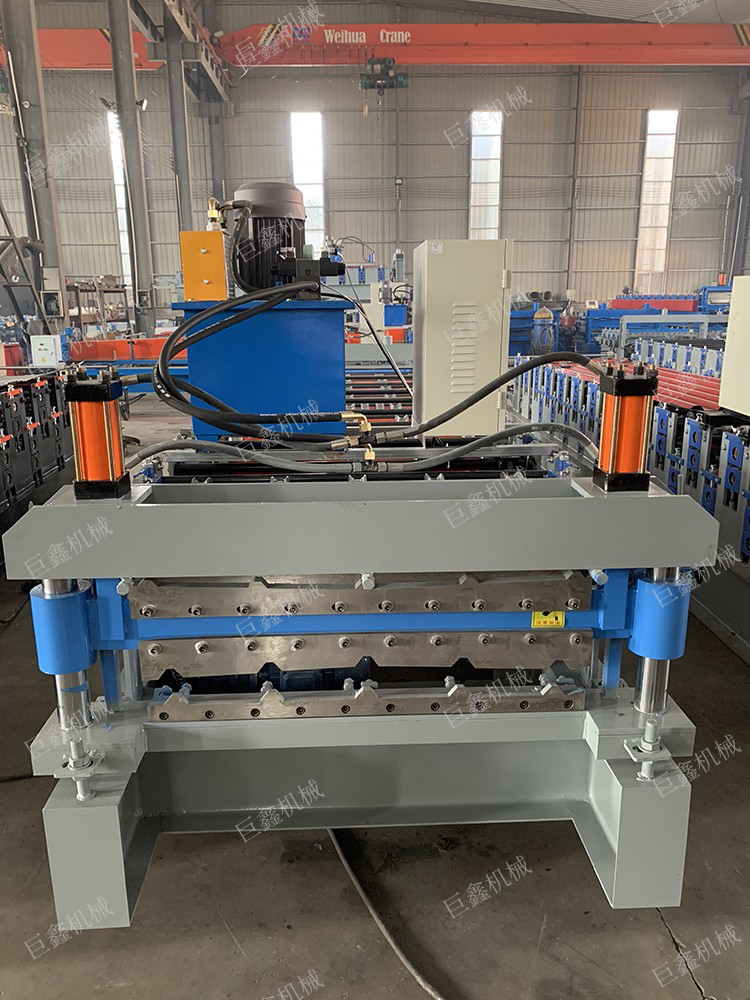
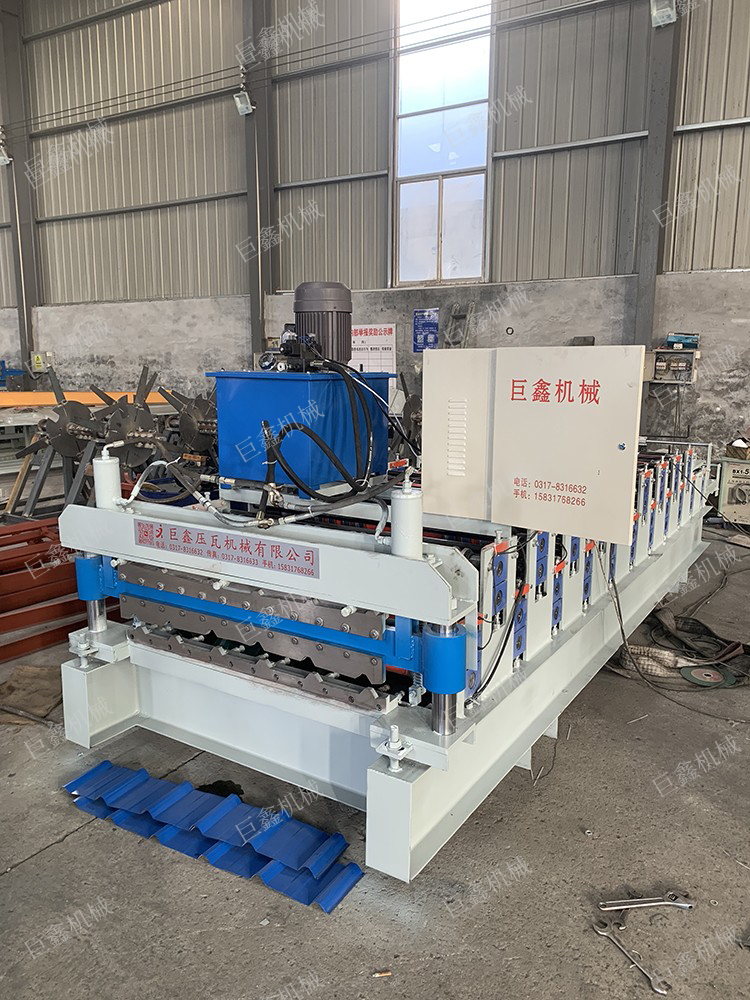
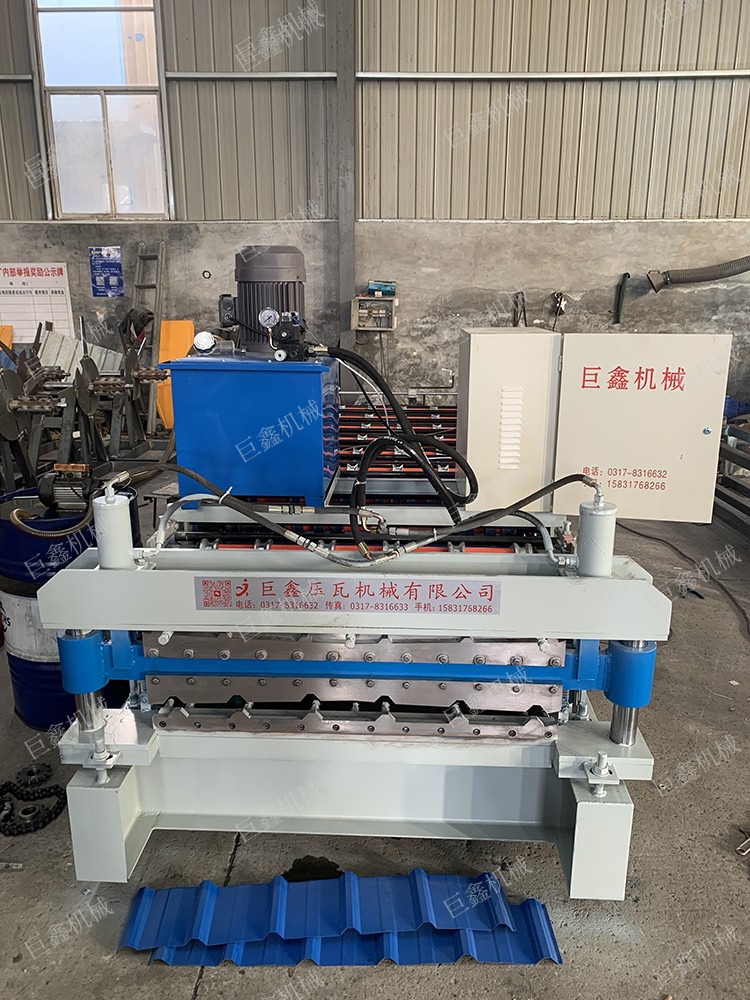
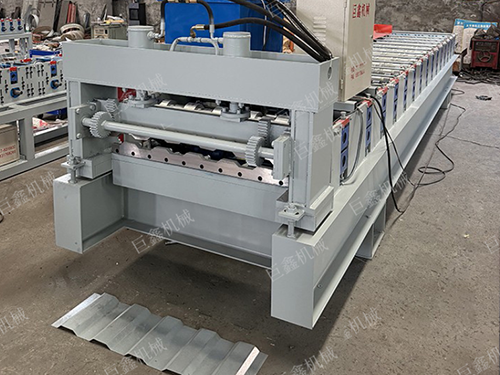
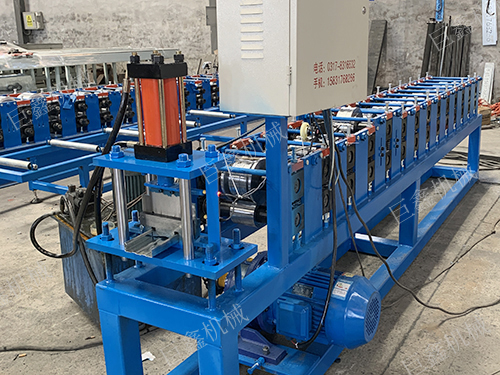
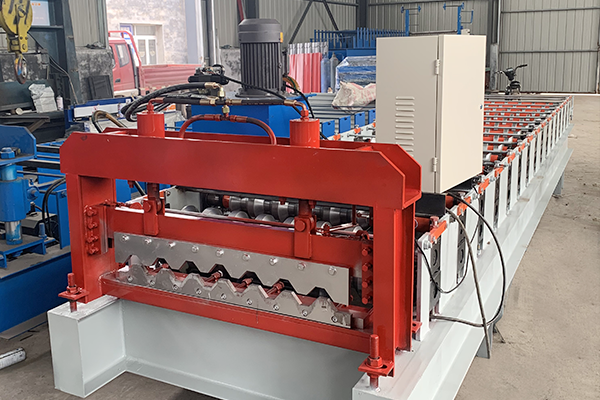
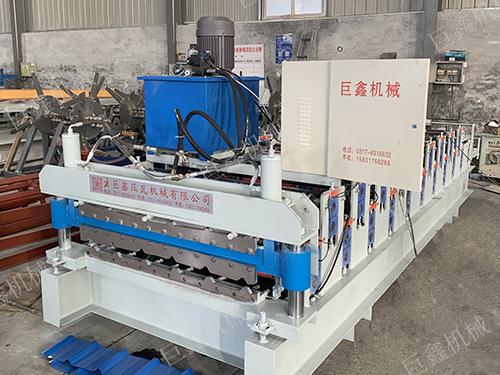
The customized double-layer tile press belongs to a flexible adjustable version of the dual in one cold bending automation equipment. It is equipped with two independent roll forming systems on the upper and lower layers inside the same overall frame. With the gradual multi pass room temperature roll deformation process, the color steel coil is pressed into two types of roof tiles or wall enclosure panels with customer specified cross-sectional styles. The entire cold pressing process does not apply high temperature heat treatment, which can fully protect the anti-corrosion paint layer on the surface of the color steel plate, avoid coating cracking and peeling caused by bending stress, and ensure the appearance quality of the finished board and long-term outdoor weather resistance. Compared to two independent single-layer tile pressing equipment, the double-layer integrated structure greatly saves the space for factory placement, reduces the comprehensive investment in equipment procurement, power distribution installation, and daily maintenance, and has a modular and replaceable roller customization attribute that can match unconventional tile spacing, wave height, and overlapping edge structure according to project requirements. It is suitable for color steel processing scenarios with diverse order categories and special pattern requirements. The entire production line consists of a manual feeding rack, an adjustable feeding guide mechanism, a double-layer modular roller press host, a shared hydraulic shearing system, a variable frequency electrical control system, and a double-layer discharge bracket. After the steel coil is lifted and loaded once, the production pattern can be changed by simply switching the feeding channel and system parameters. The entire process is automated to complete feeding, step-by-step pressing, fixed length cutting, counting and discharging, reducing the time spent on repeated disassembly and debugging, and ensuring the uniform dimensional accuracy of the two customized tile shapes.
The equipment base is formed by welding thick square tubes and channel steel as a whole. After welding, it is subjected to aging stress relief treatment to fully release the internal residual stress generated by welding, effectively offsetting the resonance of the machine body caused by the synchronous operation of the double-layer roller group, preventing frame shaking and local micro deformation during long-term continuous heavy load operation, and building a stable and reliable bearing base for the double-layer forming roller assembly, transmission chain, and hydraulic pump station. The front-end is equipped with a universal steel coil feeding support frame, which can adapt to various inner diameters and widths of color steel coil materials. The bracket is equipped with a damping braking structure, which releases the steel strip at a constant speed based on damping resistance, avoiding feeding problems such as deviation, wrinkles, and edge warping caused by the rapid dispersion of the coil's self weight inertia. The feeding area is equipped with a wide range adjustable limit correction component. When switching between upper or lower plate production, the positions of the left and right blocking blocks and the upper and lower pressing rollers are synchronously adjusted to ensure that the metal strip is smoothly fed into the corresponding roller conveyor along the central axis of the equipment. From the source of feeding, defects that affect the accuracy of customized products, such as the height deviation of tile peaks, skewed overlapping edges, and side bending of the plate surface, are controlled.
The double-layer modular roll forming host is the core highlight of this customized machine model. The upper and lower roller groups are all assembled and detachable structures, which can be processed and replaced separately according to the tile drawings provided by the customer. They can freely combine any two types of roof tiles, small tiles, wall hanging panels, drip eaves panels, matching edge banding panels, etc. Each layer of roller follows the forming logic of small deformation in stages, gradually pressing the wavy surface, reinforcing ribs, and tongue and groove overlapping edges from shallow to deep, dispersing and bending multiple times to release the internal stress of the plate, and protecting the integrity of the color steel paint surface from damage to the greatest extent possible. The rollers are made of wear-resistant steel for precision machining, and the working surface is quenched and hardened. The color steel plate is continuously rolled for a long time with low wear and tear. Heavy duty silent bearings are installed at both ends of the roller shaft, resulting in low rotational resistance and smooth operation with low noise. The upper and lower layers are each equipped with independent synchronous gear transmission mechanisms to ensure that the speed of each pair of upper and lower matched rollers is completely synchronized, avoiding the steel strip from being stretched and thinning on one side. The key parameters such as wave distance, wave height, effective coverage width, and bite depth of the customized tile shape are accurately controlled. After the two panels are spliced together, they fit tightly, and the waterproof and anti-seepage effect of the roof meets the standard. The double-layer structure shares a set of main frames, with a compact layout. The two layers of forming channels do not interfere with each other, and the operation of pattern replacement is simple. There is no need to disassemble the entire machine frame, and only the roller module needs to be replaced and the guide clearance needs to be fine tuned to complete the production change.
After the steel strip is fully pressed at the selected level, it is transported to the shared hydraulic cutting station at the end of the equipment. The gantry type hydraulic cutting tool holder has width adaptability and can meet the cutting needs of two different types of plates. The tool closure gap is small, the cutting section is flat and has few burrs, and there is no need for manual secondary polishing. The equipment is equipped with a high-precision pulse length measuring and counting device. The operator inputs the cutting length of the customized sheet metal on the control panel. When the sheet metal reaches the set value, the cutting action is automatically triggered to complete the complete cycle of cutting, counting, and oil cylinder reset. The fixed length repetition error is small, and it can strictly standardize the cutting according to the size of the engineering order. The cut color steel tiles slide down the inclined discharge bracket of the upper and lower layers, making it easy to separate and stack, pack and tie them up.
The power control system is equipped with an independent variable frequency speed regulation module, which can adjust the operating speed according to the thickness of two types of plates and the complexity of tile forming, reducing the mechanical impact of double-layer transmission gears, bearings, and chains during start stop and load fluctuations, delaying component wear, and prolonging the overall service life of the equipment. The interface of the centralized control panel has clear functions. By selecting the molding level, setting the length and running speed of the finished product, the fully automatic mode can be activated, realizing the closed-loop operation of automatic feeding, double-layer modular roll forming, automatic hydraulic cutting, and automatic counting. After simple mold replacement calibration training, operators can independently complete daily production and pattern switching. All exposed transmission gears, shafts, and chains of the entire machine are uniformly equipped with enclosed safety protection shells to prevent color steel paint debris from entering the mechanical operation gaps, while complying with general mechanical equipment safety protection standards.
The customized double-layer tile press mainly processes conventional roof building materials such as color steel coated coils and galvanized steel strips. With the advantage of customizable roller sets, it can produce non-standard section plates that are commonly used in the industry and meet special customer requirements. The formed corrugated sheet has an arched structure to improve bending resistance and stronger outdoor wind pressure resistance. The enterprise mouth overlap design is used to divert rainwater and reduce leakage. It is widely used for building roofs and exterior wall enclosures such as steel structure factories, warehouses, breeding farms, simple greenhouses, and wall eaves. The dual plate integrated design optimizes the utilization rate of the workshop site, reduces the additional costs corresponding to multiple devices, and facilitates the on-site installation of color steel tiles. It is also very convenient for local repair and replacement in the later stage.
The equipment is a fixed structure with a solid and sturdy frame, and the foundation installation and debugging process is standardized. The daily maintenance content is simple and easy to execute, mainly including regularly adding lubricating grease to all double-layer transmission bearings, gears, and chains, layer by layer cleaning of paint chips and dust adhered to the roller surface, checking for leaks in the hydraulic pipeline, verifying the integrity of the hydraulic cutting edge, regularly calibrating the coaxiality of the double-layer roller group and the feed guide clearance. According to the standard cycle, basic maintenance should be done well, and the equipment can produce two customized specifications of color steel profiled sheets in a stable and alternating manner for a long time. The customized double-layer tile press machine, with its customized architecture of double-layer integration and modular replaceable rollers, can flexibly respond to diverse tile processing orders and provide more intensive and adaptable personalized roof wall panel forming solutions for color steel building materials processing plants.
This is a cold bending equipment designed for producing color steel wall panels and roof panels. The whole machine, PLC computer control system, and products have the characteristics of light weight and heavy load-bearing capacity, and are widely used in the multi story steel structure construction industry.
It has a simple mechanical structure, does not require complex roller changing and control systems, and has low maintenance costs in the future.
Advantages: The structure is sturdy, the performance is stable, the core rolling mill has a long service life, and it performs well in continuous production of a single plate type.
Mechanical transmission: Usually driven by a gearbox, it has good synchronization, smooth operation, and a relatively low failure rate.
No need for specialized technicians: Control systems are usually simple relays and counters that can be independently operated by ordinary workers after brief training, with low personnel requirements.
Easy debugging: Once the debugging is completed, there is almost no need to adjust it again for daily production, and it can be started up for production.
Small footprint and flexible layout
Applicable materials include aluminum zinc color steel plate, aluminum magnesium manganese plate, stainless steel plate, etc.
The overall length of the equipment is relatively short, and the space requirements for the production workshop are not high. It can even be installed and produced in a smaller area.