
You are here:HOME > PRODUCT > leveling machine >
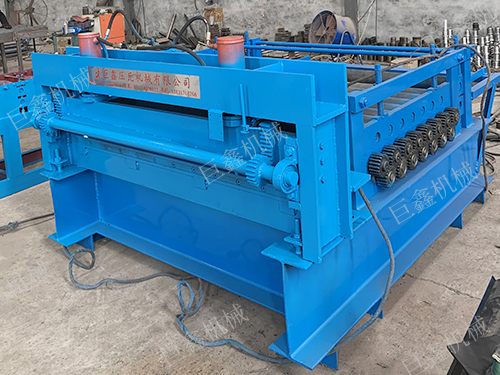
Leveling machine thickness 2.5mm
13803170595

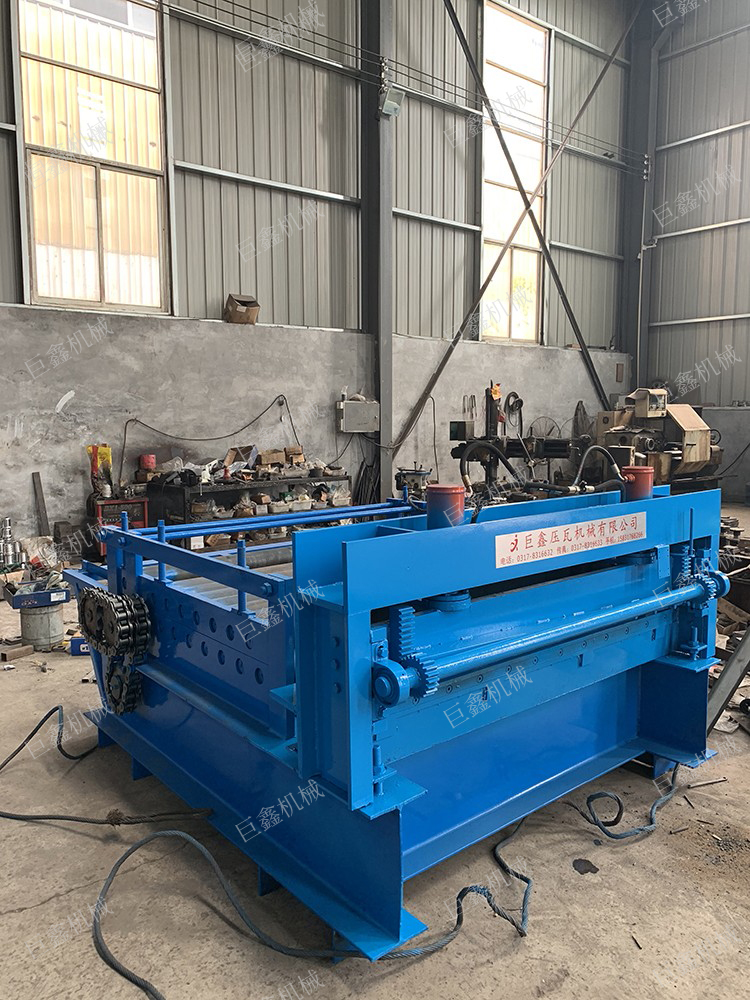
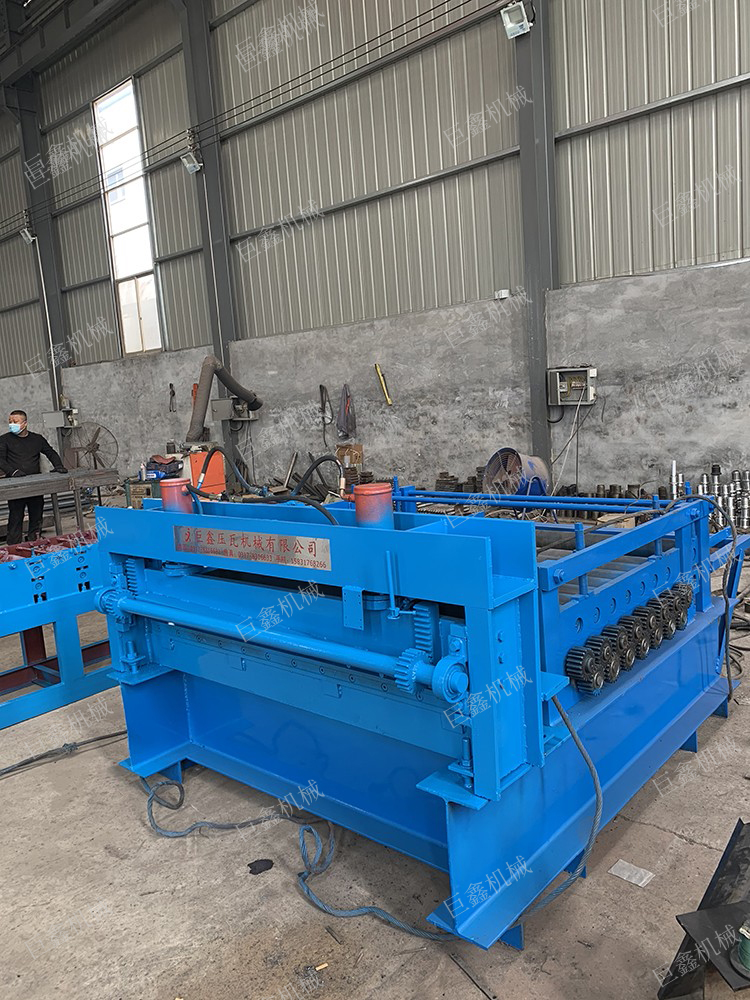
Leveling machine, also known as straightening machine or leveling machine, is a specialized equipment used in the metal sheet processing industry to correct sheet deformation. Its core function is to eliminate uneven defects such as warping, wavy lines, and sickle bends that occur during the rolling, transportation, or storage of cold-rolled, hot-rolled, stainless steel, and other metal sheets through mechanical means. For 2.5mm thick plates, the leveling machine can provide effective leveling treatment, providing high-quality billet foundation for subsequent stamping, shearing, welding or forming processes.
Working principle and core structure
The leveling machine works based on the "Bauschinger effect" of metal materials. There are multiple sets of leveling rollers arranged in a staggered manner inside the equipment. When the sheet passes through the roller group, it will undergo continuous bending deformation in both positive and negative directions. As the bending deflection gradually decreases, various original curvatures inside the board are gradually unified and approach zero, ultimately restoring the board to a flat state.
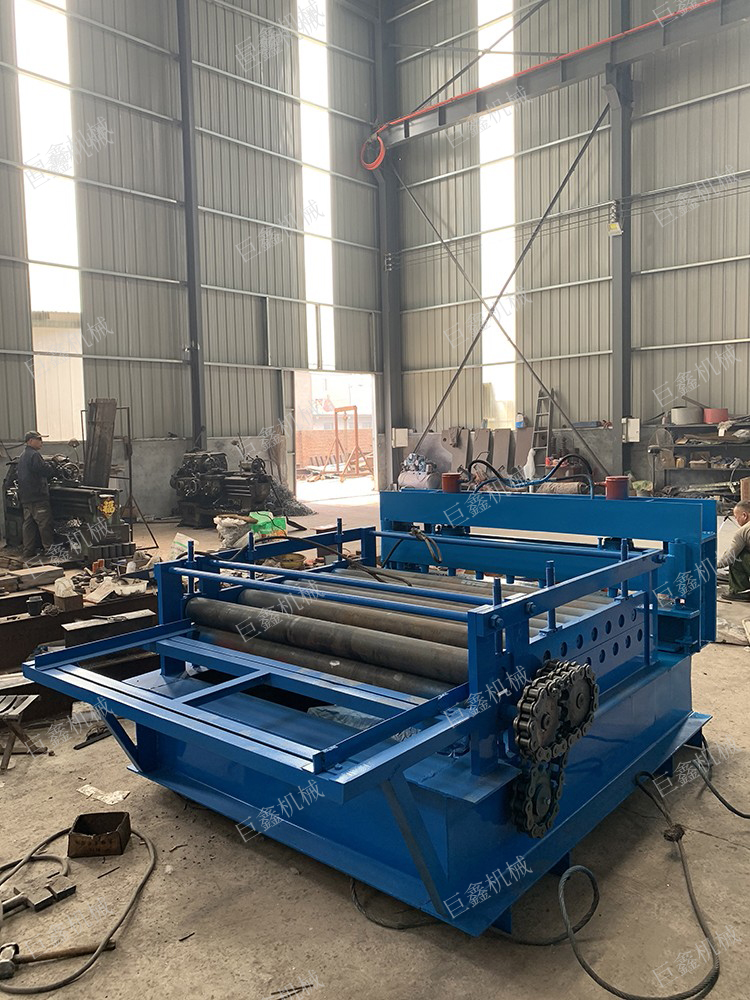
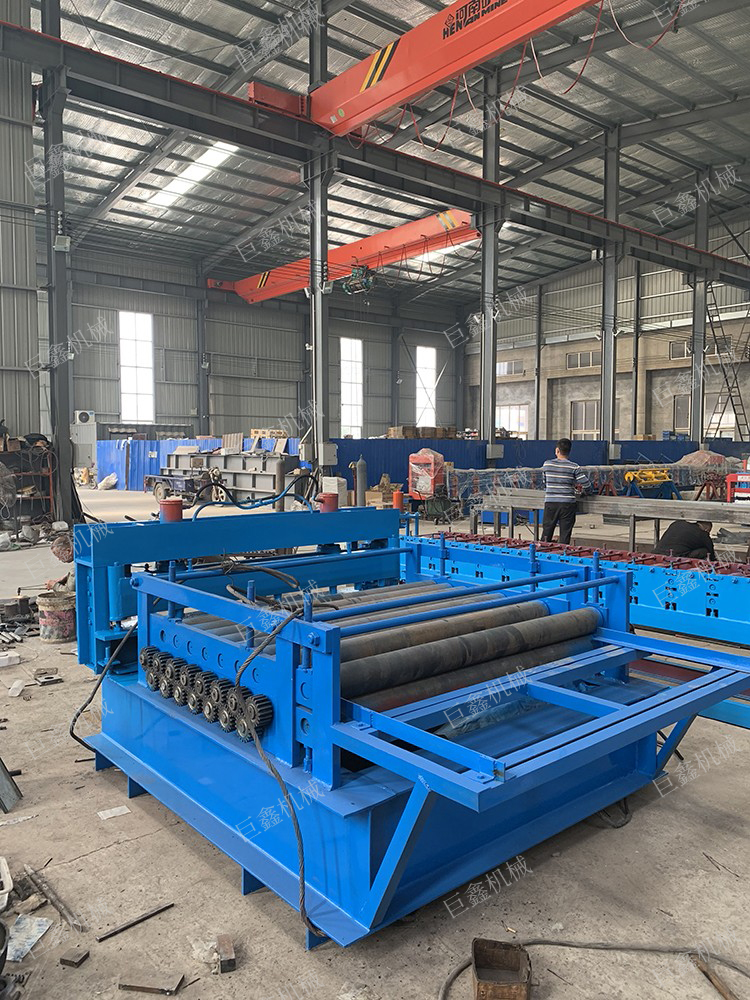
The leveling accuracy of the equipment is directly related to the design of the roller system. For 2.5mm thick sheets, they are usually classified as thin or medium thin sheets, and the number of leveling rollers is generally large, ranging from 9 to 21 rollers. On the outer side of the leveling roller, there is usually a support roller, which forms a four or six fold structure to enhance the rigidity of the working roller and ensure the stability and accuracy of the roller system during high-strength leveling process.
Key parameters and selection references
For the leveling requirements of 2.5mm thick sheet metal, the selection of equipment should pay attention to the following key technical parameters:
Leveling thickness range: The specifications of the leveling machine are usually identified by the thickness range it can handle.
. Some models use 2.5mm as their maximum leveling thickness, which can be compatible with 0.8mm thin plates downwards; For other models, 2.5mm is included in their minimum leveling thickness, which can cover up to 10mm or even thicker upwards. When selecting, it is necessary to confirm that 2.5mm is within the efficient working range of the model.Number and diameter of leveling rollers: The thinner the sheet, the more leveling rollers are usually required, and the roller diameter is relatively small to achieve finer bending correction.
. For 2.5mm boards, common configurations include a 9-roll design with a 125mm diameter roll, or a 19 roll design with a 60mm diameter roll.Leveling width: The width specification of the leveling machine needs to be selected according to the actual width of the board to be processed, and common width specifications cover a range of 800mm to 1250mm or even wider.
.Leveling speed: The operating speed of the equipment directly affects the processing efficiency, generally ranging from 2.5 meters/minute to 10 meters/minute. Some models support variable frequency speed regulation to adapt to different working conditions.
Equipment types and applicable scenarios
According to different processing accuracy and material requirements, leveling machines can be divided into various types. The quadruple leveling machine is a common form with good structural rigidity, suitable for the universal leveling needs of materials such as carbon steel plates and stainless steel plates. The six fold precision leveling machine adds an intermediate roller on the basis of the four fold type, which not only improves the leveling accuracy, but also effectively avoids indentation on the surface of sensitive materials when the working roller is under force, especially suitable for materials with high surface quality requirements such as aluminum plates, stainless steel plates, copper plates, and coated plates.
For a 2.5mm thick sheet, the leveling machine can work independently to correct a single sheet, and is often configured in the unwinding, shearing, and winding production lines as the core link to achieve continuous leveling and cut to length cutting of metal coils.
.The leveling machine, also known as the leveling machine, flatbed machine, or straightening machine, is an industrial equipment used to correct cold and hot rolled plates and cut them into blocks. Mainly used in machinery, building materials, locomotives and vehicles, etc. This device is based on the Bauschinger effect of metal materials, which eliminates the original curvature difference of the sheet by repeatedly bending multiple rollers, and uses a non parallel roller structure to achieve leveling.
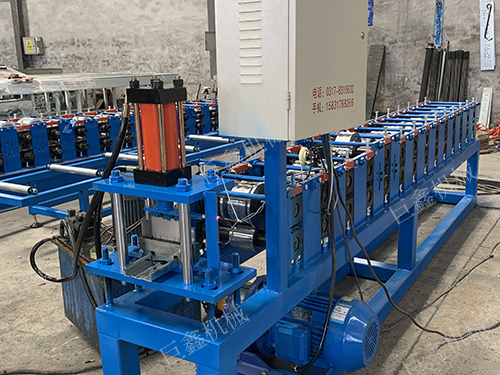
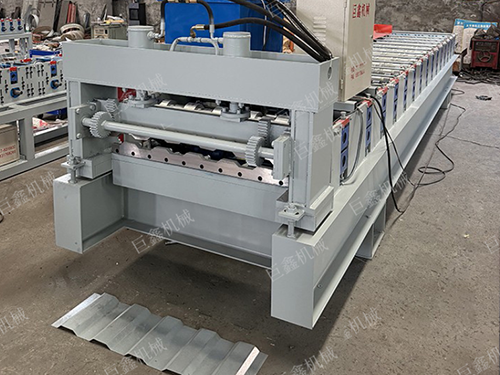
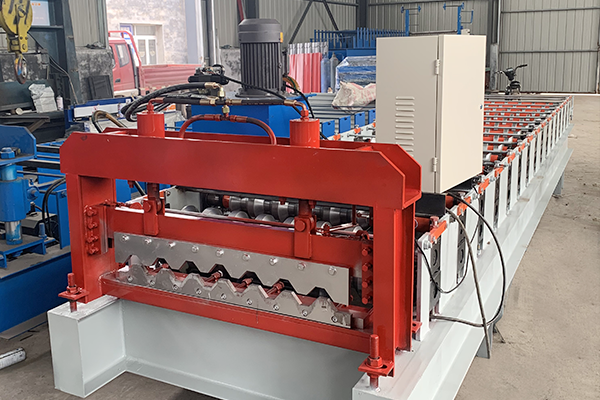
The leveling machine consists of a frame, work rolls, movable crossbeams, a pressing angle mechanism, a main transmission system, a centralized lubrication system for dry oil, an electrical control system, and an inlet and outlet roller conveyor. The upper and lower rows of work rolls are designed as active rollers, which can be electrically adjusted for roller spacing and process parameters can be stored.
A leveling machine is a device that uses upper and lower rollers to compress a certain thickness of strip or plate from uneven metal sheets, in order to achieve a leveling effect. It is called a leveling machine.
Generally, the leveling machine is mainly arranged in a top four to bottom five or top five to bottom six pattern. And equipped with transfer rollers at the front and rear. The upper part has a handle for fine adjustment of leveling thickness accuracy.