
You are here:HOME > PRODUCT > leveling machine >
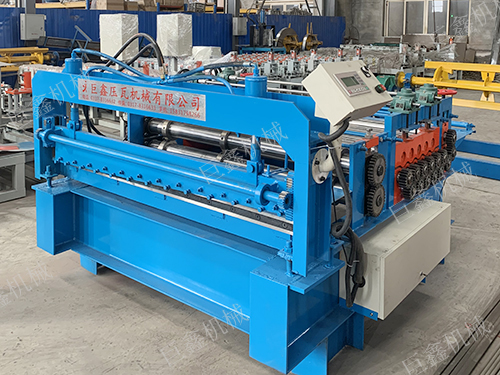
2mm thickness leveling machine
13803170595

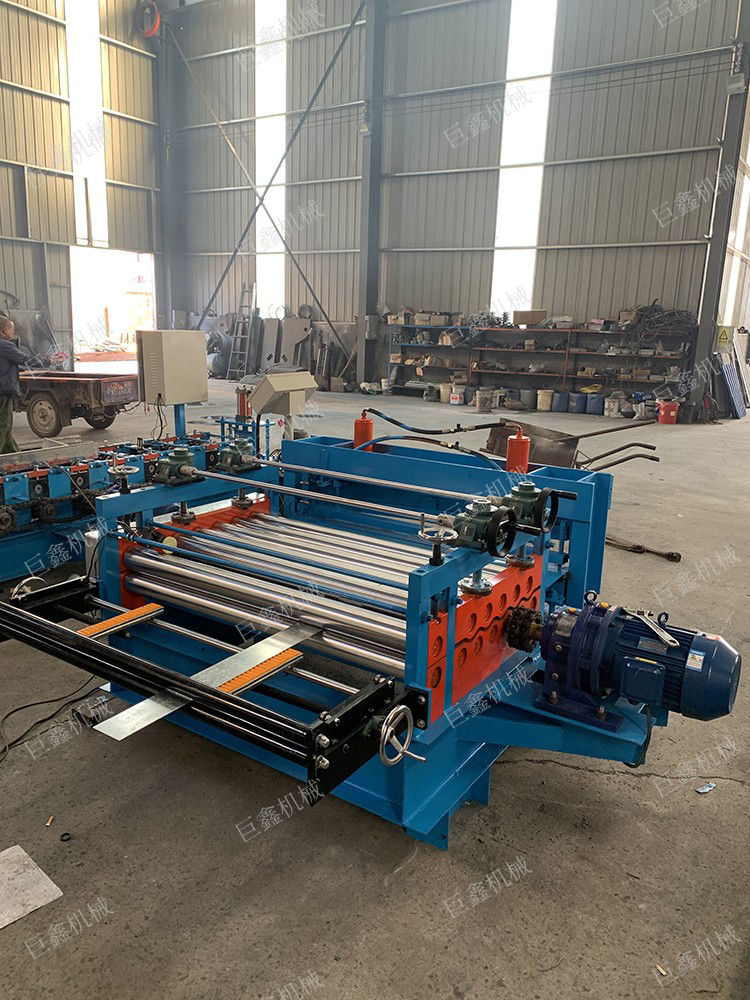
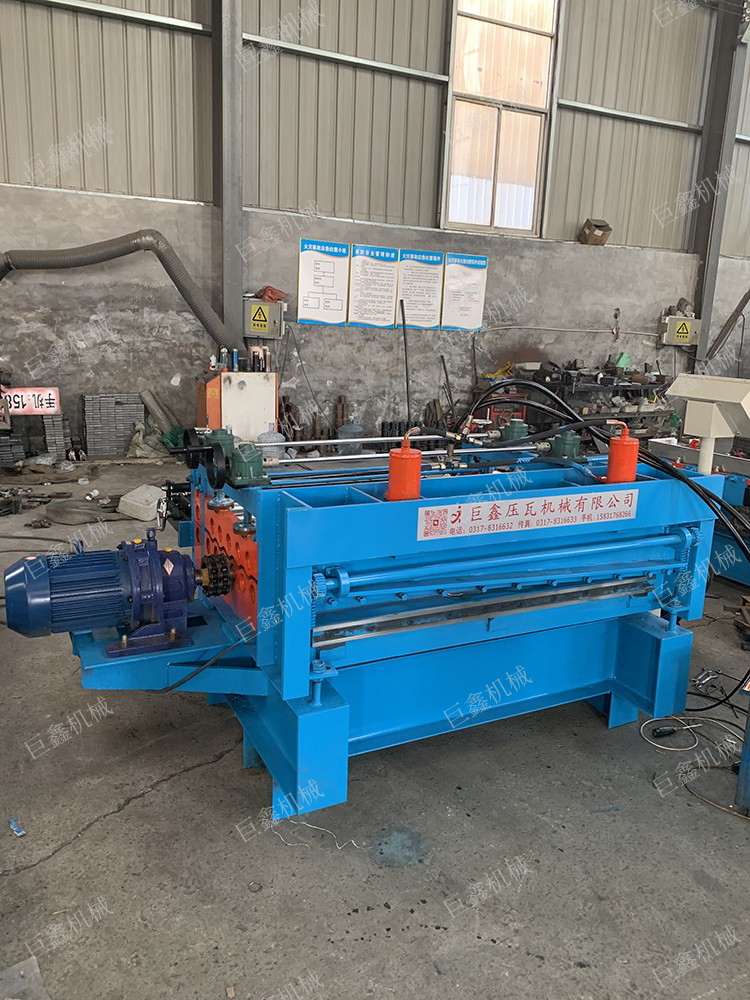
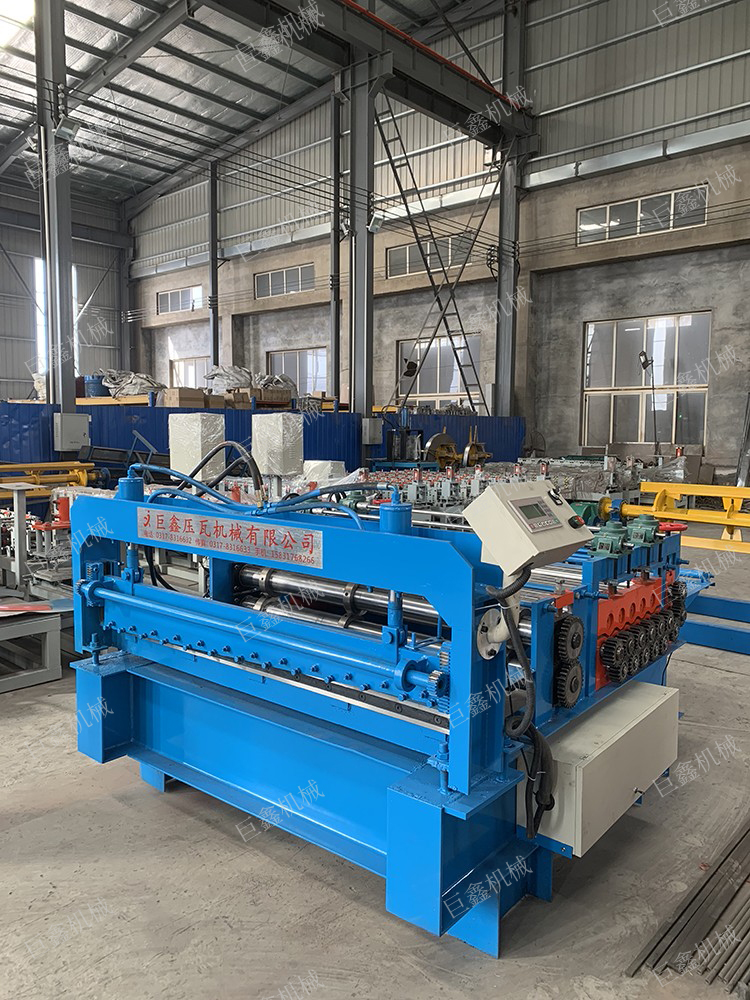
Leveling machine, also known as straightening machine or leveling machine, is a specialized equipment used in the metal sheet processing industry to correct sheet deformation. Its core function is to eliminate uneven defects such as warping, wavy lines, and sickle bends that occur during the rolling, transportation, or storage of cold-rolled, hot-rolled, stainless steel, and other metal sheets through mechanical means. For 2mm thick plates, the leveling machine can provide effective leveling treatment, providing high-quality billet foundation for subsequent stamping, shearing, welding or forming processes.
Working principle and core structure
The leveling machine works based on the "Bauschinger effect" of metal materials. There are multiple sets of vertically staggered leveling rollers inside the equipment. When the sheet passes through the roller set, it will be subjected to continuous forward and backward bending deformation. As the bending deflection gradually decreases, the various original curvatures inside the sheet are gradually unified and approach zero, ultimately restoring the sheet to a flat state.
For 2mm thick sheets, they are usually classified as thin sheets, and there are generally more leveling rollers.
. According to relevant technical parameters, models for leveling 2mm sheets are usually equipped with 19 or 21 rollers, with roller diameters ranging from approximately 42mm to 55mm. The ideal leveling effect is achieved by repeatedly finely bending the sheet.Key parameters and selection references
For the leveling requirements of 2mm thick plates, the selection of equipment should pay attention to the following key technical parameters:
Leveling thickness range: The specifications of the leveling machine are usually identified by the thickness range it can handle.
. Specially designed for 2mm plates, the maximum leveling thickness is always 2mm, and the minimum leveling thickness can reach 0.6mm, which can meet the processing needs of various thin plates. Some models include 2mm in their minimum leveling thickness, which can cover up to 3mm or thicker upwards. When selecting, it is necessary to confirm that 2mm is within the high-efficiency working range of the model.Number and structure of leveling rollers: The thinner the sheet, the more leveling rollers are usually required to achieve finer bending correction.
. For 2mm sheets, common configurations include designs with 19 rolls paired with a roll diameter of 55mm, or 21 rolls paired with roll diameters ranging from 42mm to 48mm. Some models adopt a structure of 13 rollers with larger roller diameters (such as φ 110mm or φ 120mm), which balances leveling effect and equipment rigidity.Leveling width: The width specification of the leveling machine needs to be selected according to the actual width of the board to be processed. Common width specifications cover a range of 800mm, 1300mm, 1500mm, and even wider.
.Leveling speed: The operating speed of the equipment directly affects the processing efficiency, generally within the range of 6 meters/minute to 10 meters/minute. Some models support variable frequency speed regulation to adapt to different working conditions.
Equipment types and applicable scenarios
According to different processing accuracy and material requirements, leveling machines can be divided into various types. The quadruple leveling machine is a common form with good structural rigidity, suitable for the general leveling needs of materials such as carbon steel plates. The six fold precision leveling machine adds an intermediate roller on the basis of the quadruple type, and the support force does not directly act on the working roller, avoiding leaving pressure marks on the surface of sensitive materials. It is particularly suitable for materials with high surface quality requirements such as aluminum plates, stainless steel plates, copper plates, and coated plates.
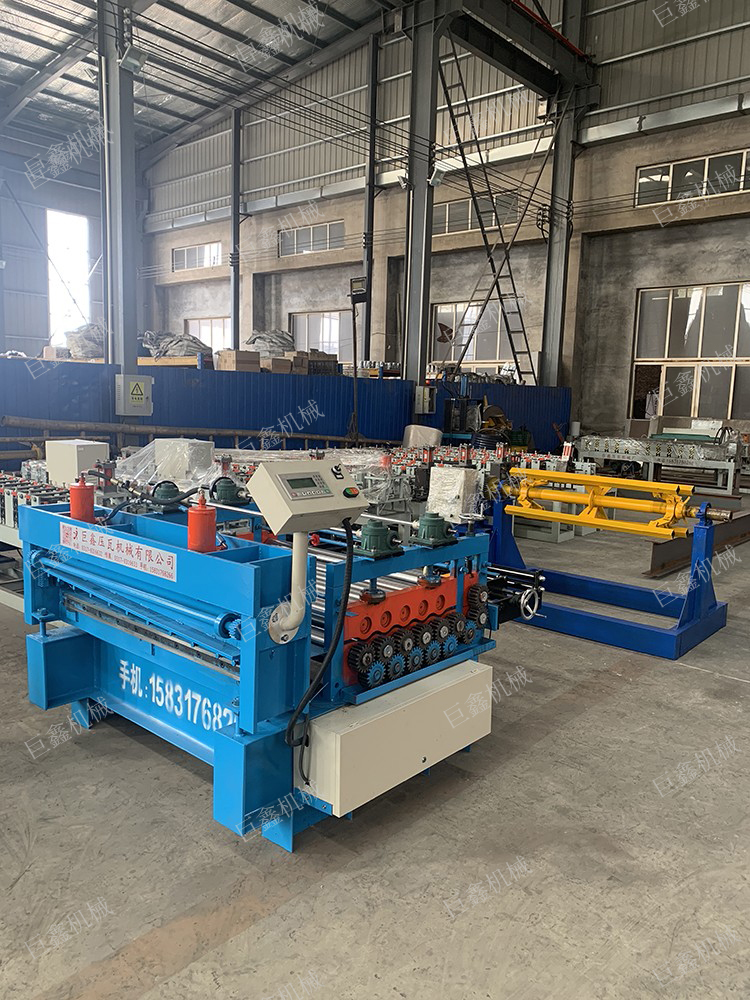
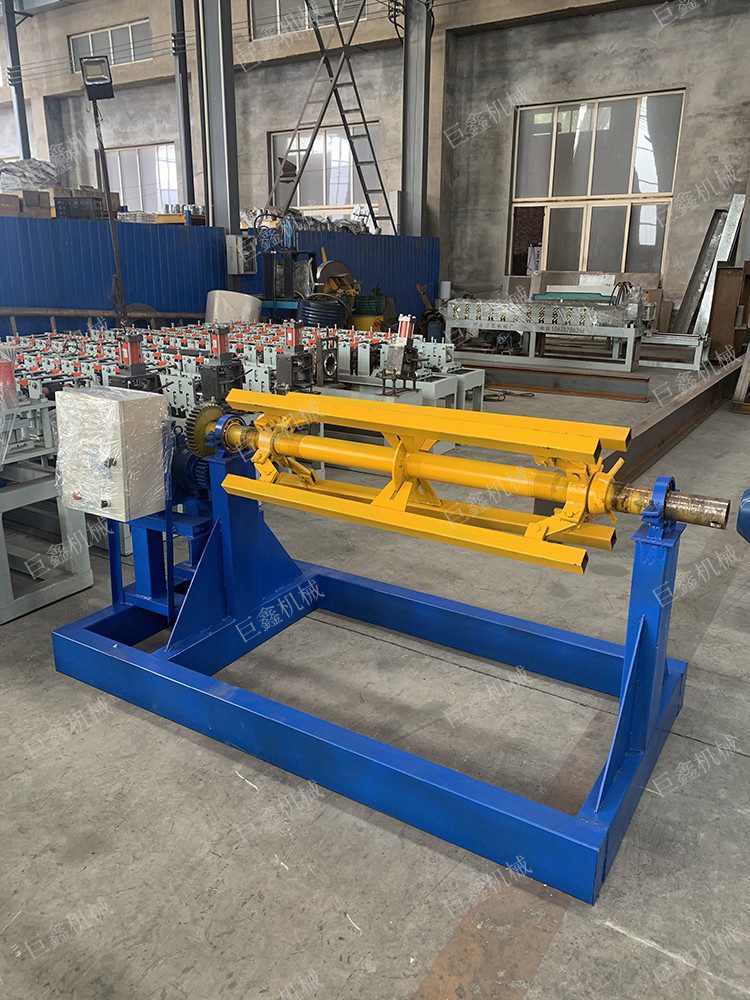
For 2mm thick sheets, the leveling machine can work independently to correct individual sheets, and is often configured in the unwinding, shearing, and rewinding production lines as the core link to achieve continuous leveling and fixed length cutting of metal coils.
.The leveling machine, also known as the leveling machine, flatbed machine, or straightening machine, is an industrial equipment used to correct cold and hot rolled plates and cut them into blocks. Mainly used in machinery, building materials, locomotives and vehicles, etc. This device is based on the Bauschinger effect of metal materials, which eliminates the original curvature difference of the sheet by repeatedly bending multiple rollers, and uses a non parallel roller structure to achieve leveling.
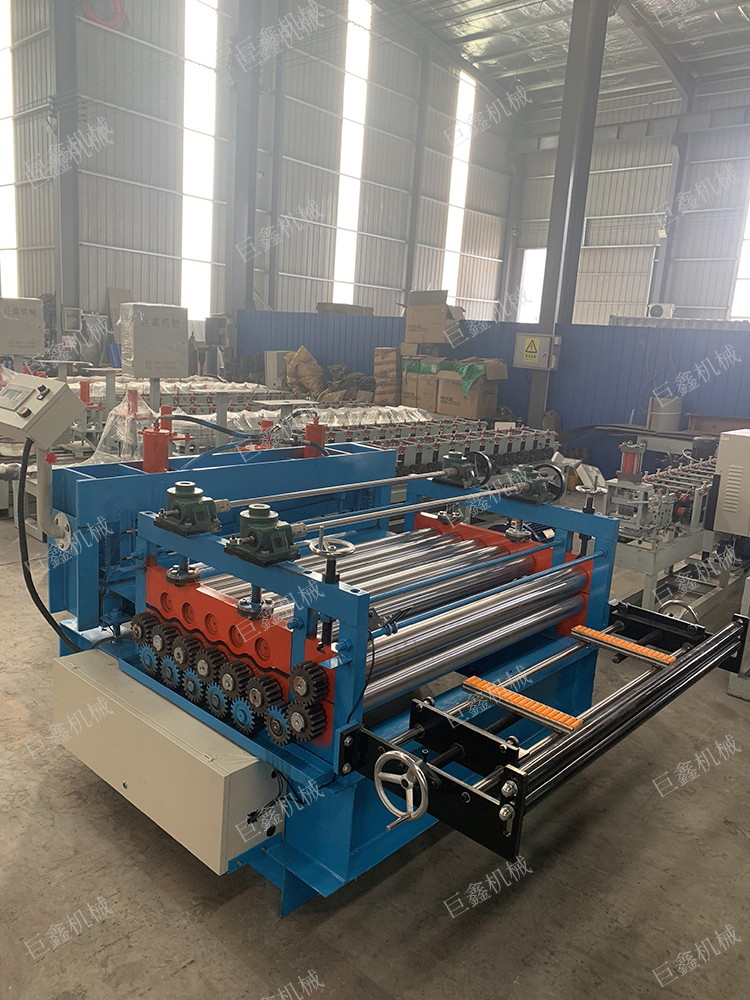
The leveling machine consists of a frame, work rolls, movable crossbeams, a pressing angle mechanism, a main transmission system, a centralized lubrication system for dry oil, an electrical control system, and an inlet and outlet roller conveyor. The upper and lower rows of work rolls are designed as active rollers, which can be electrically adjusted for roller spacing and process parameters can be stored.
A leveling machine is a device that uses upper and lower rollers to compress a certain thickness of strip or plate from uneven metal sheets, in order to achieve a leveling effect. It is called a leveling machine.
Generally, the leveling machine is mainly arranged in a top four to bottom five or top five to bottom six pattern. And equipped with transfer rollers at the front and rear. The upper part has a handle for fine adjustment of leveling thickness accuracy.