
You are here:HOME > PRODUCT > leveling machine >
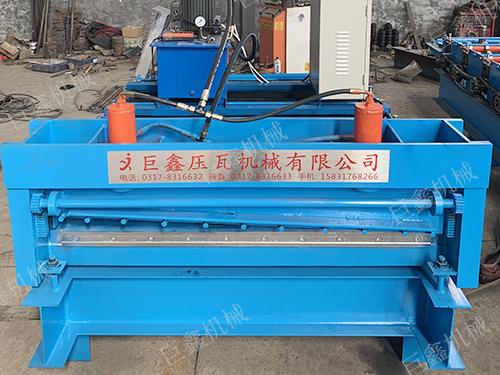
1.2-meter leveling strip machine
13803170595

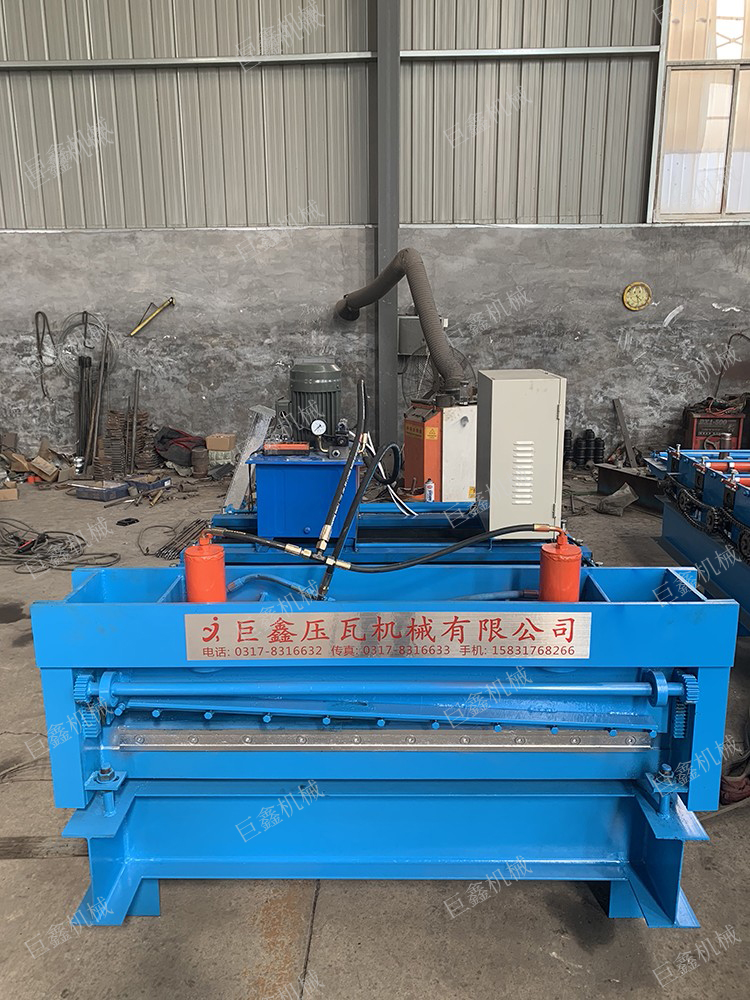
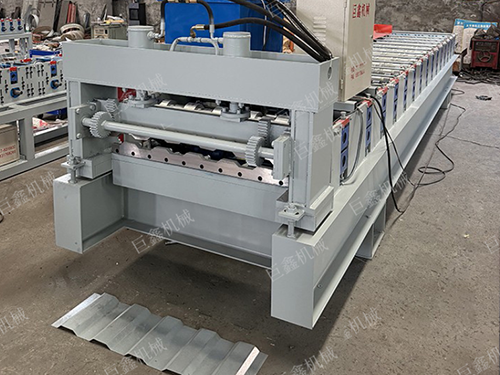
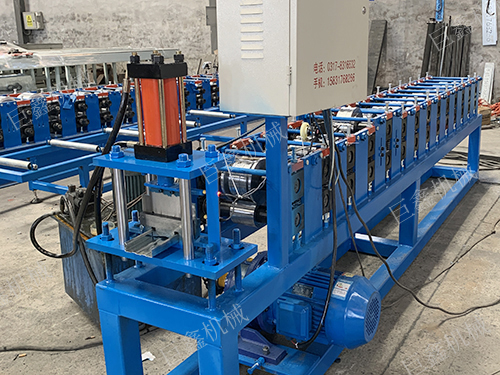
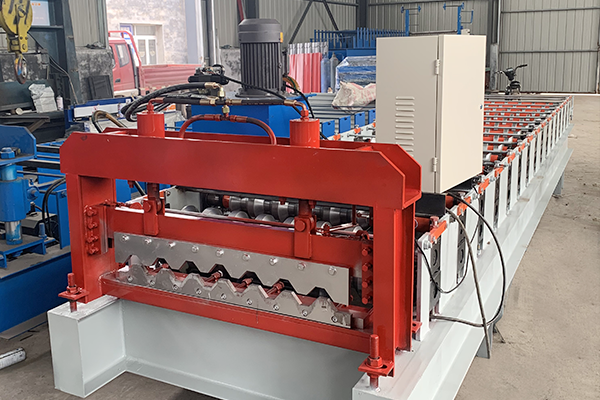
The 1.2-meter leveling and slitting machine is a continuous integrated processing equipment in the field of metal cold processing. It integrates multiple processes such as plate leveling, longitudinal slitting, and cutting to length into one device. It relies on pure mechanical cold extrusion and cutting technology to process metal coils, without producing high-temperature processing throughout the process. It can fully preserve the physical properties of the protective coating on the surface of the metal plate and the substrate itself, and is an important pre-treatment carrier before the secondary deep processing of the metal plate. The maximum feeding width of this device is limited to 1.2 meters. Systematic corrections are made to address issues such as warping, wrinkling, and internal stress deformation that occur during the storage and transportation of coil materials. Multiple equally wide and narrow materials are then divided according to subsequent usage needs, and finally cut horizontally according to the set size. The entire process is connected and closed, reducing secondary collisions and deformation caused by multiple material transfers.
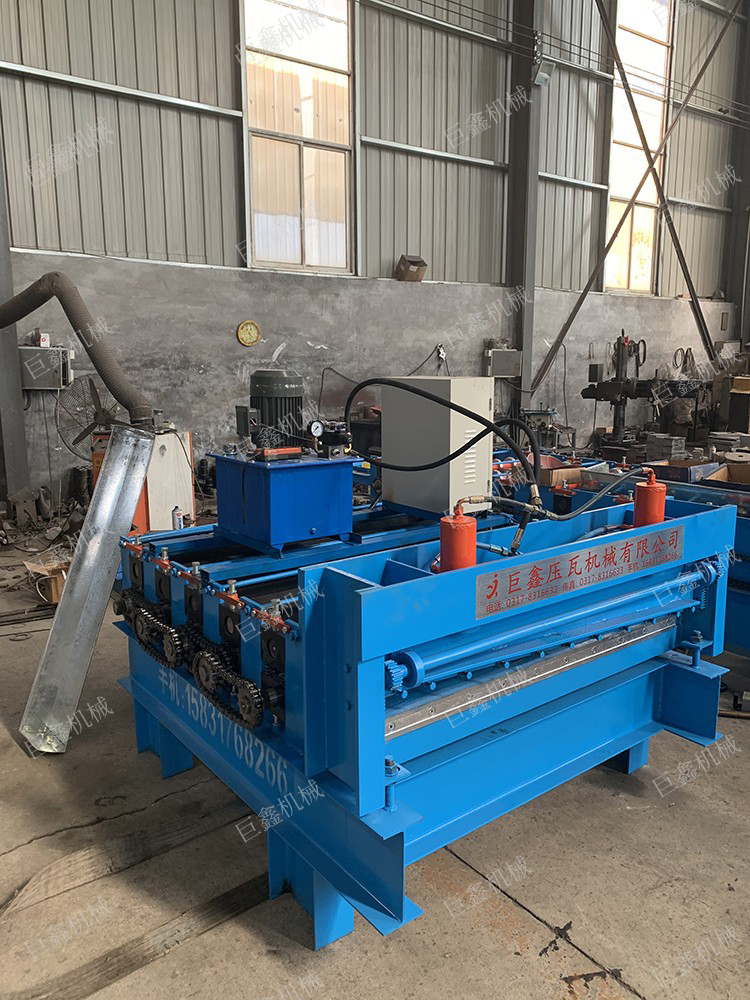
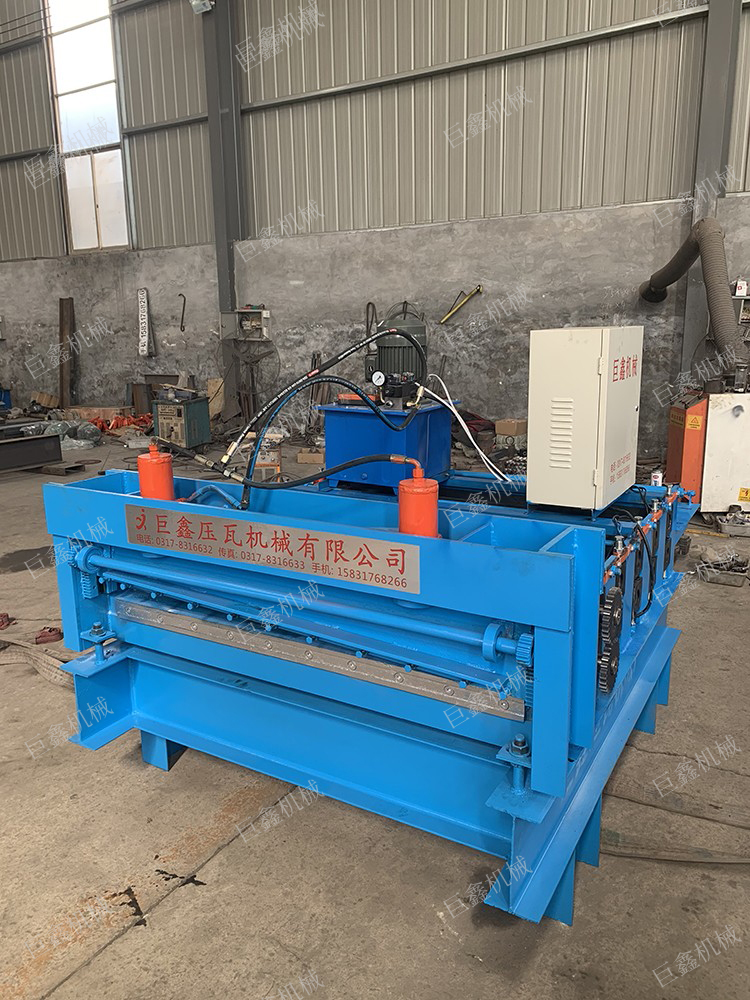
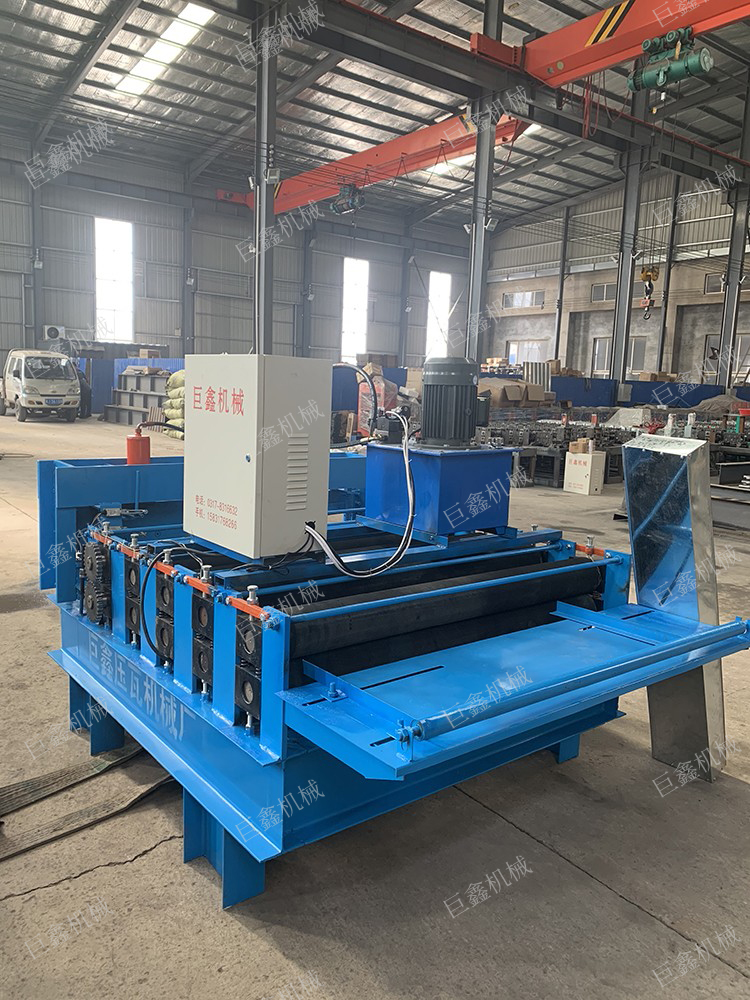
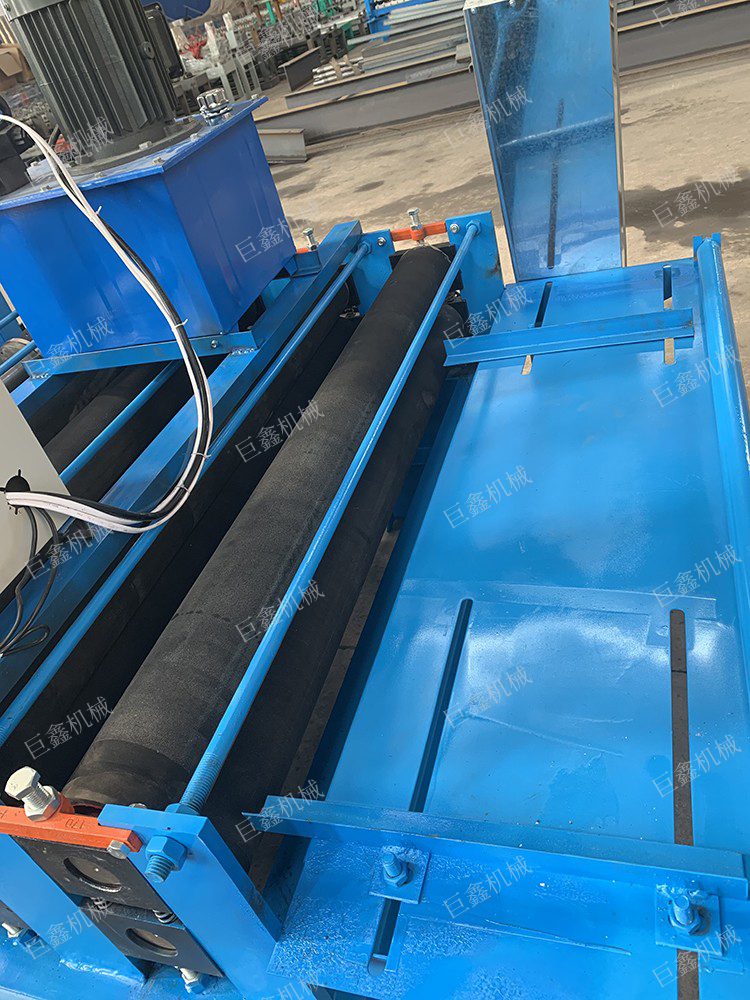
From the perspective of the overall structure of the equipment, it consists of six basic modules: feed guide unit, leveling and forming mechanism, longitudinal slitting mechanism, hydraulic shearing unit, power transmission system, and electrical control system. Each module is fixed by an integrated welded base frame, which is made of welded steel to improve the structural stability of the entire machine during operation and avoid the deviation of the machine body caused by long-term continuous operation. The feeding guide section is equipped with a flat material support platform and anti slip pressure roller. The outer layer of the pressure roller is wrapped with polyurethane material, and the coil is smoothly fed into the processing area by relying on the frictional force of the contact surface. At the same time, it is matched with a manual adjustment limit structure to restrain the left and right deviation of the plate, ensuring that the feeding axis line is always aligned with the equipment processing center, laying the foundation for subsequent leveling and slitting.
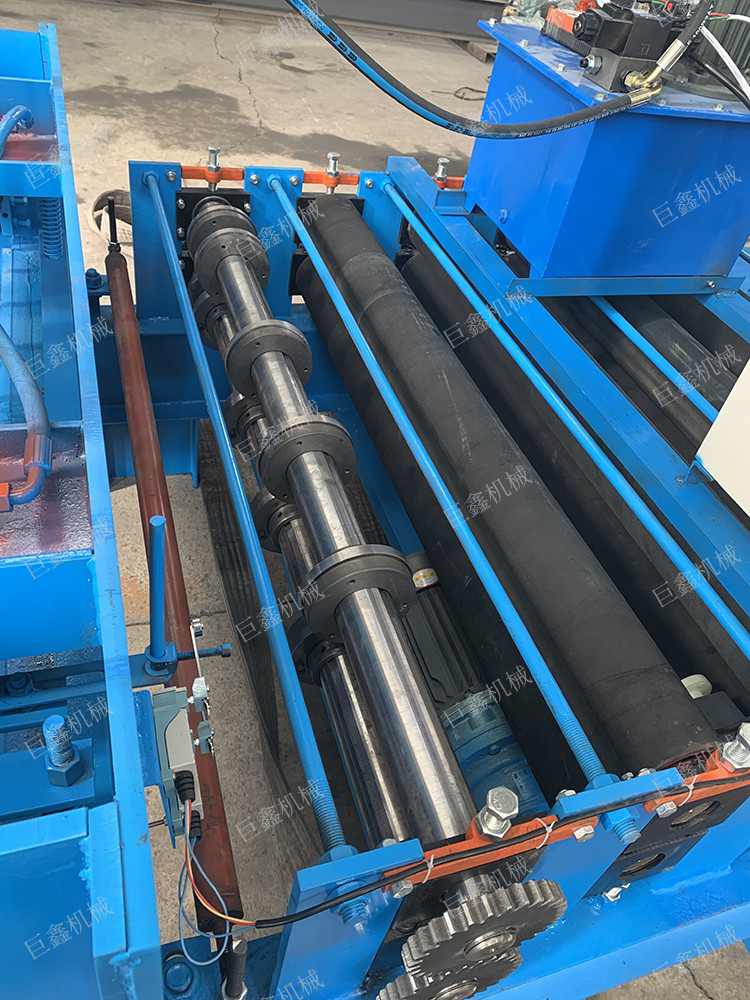
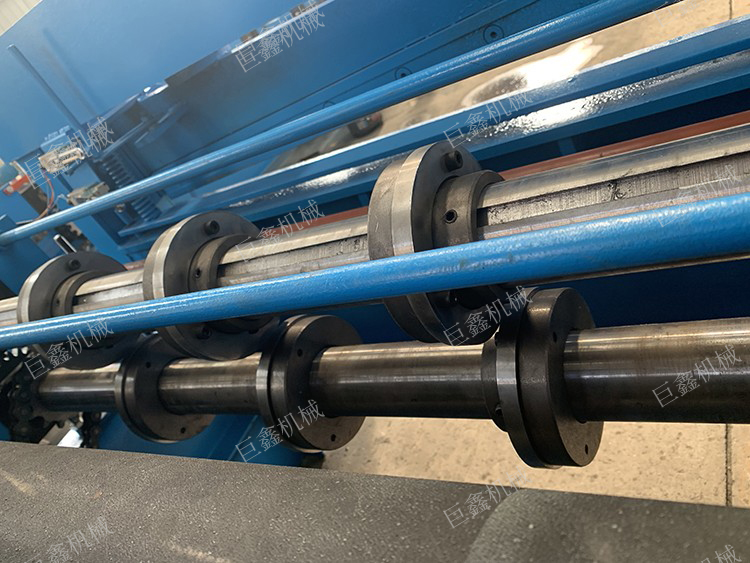
The core leveling mechanism adopts a structure in which multiple leveling rollers are arranged in a staggered manner, and the surface of the roller body is chrome plated and hardened to improve surface wear resistance and hardness. The two ends of the roller shaft are supported and fixed by thickened wall panels, and the wall panels reserve lifting adjustment components. The gap between the upper and lower roller groups can be adjusted by an electric lifting device to match metal sheets of different thickness specifications. When the coil passes through the staggered leveling rollers, it will be repeatedly bent and stretched slightly, gradually releasing the stress stored inside the plate, eliminating the inherent curved state of the coil material, and restoring the flat and regular shape of the plate surface. The gear transmission system of the roller group adopts synchronous meshing design, and the rotation speed of the upper and lower rollers is kept consistent to avoid tensile deformation caused by one-sided force on the board, ensuring uniform and uniform flatness of the entire board.
After the leveling process, the flat board will directly enter the longitudinal slitting mechanism. The slitting unit consists of a fixed blade shaft and a disc cutting tool. The tool can adjust the installation spacing according to the processing needs to divide the strip board of different widths. The cutting tool is made of wear-resistant alloy material, and the cutting edge has a four sided usable structure. If one side wears out, it can be rotated to replace the working surface, extending the tool's service life. Locking and positioning components are installed at both ends of the blade shaft to reduce radial runout of the tool during operation, control the burr range of the cutting edge, and ensure that the side edges of the segmented sheet are neat without the need for additional grinding treatment. Multiple narrow sheets completed in sections are kept in a synchronized conveying state to avoid entanglement and misalignment of multiple material belts.
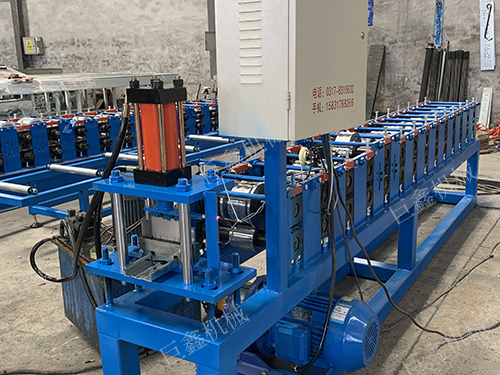
The end of the equipment is equipped with a hydraulic driven cross cutting mechanism, which relies on hydraulic cylinders to drive the upper and lower cutting blades to complete the cutting action to a fixed length. The cutting force can be adjusted and adapted according to the thickness of the sheet metal. The electrical control system is equipped with a programmable controller and a touch control panel. The operator inputs parameters such as sheet thickness, strip number, single strip width, cutting length, and operating speed on the panel. The equipment can automatically complete actions such as meter counting, automatic start stop, and fixed-point cutting. The entire operation logic is simplified, and daily operations can be independently completed after basic familiarity. The transmission part is composed of a motor combined with a reducer to form a transmission chain. The conveying speed is regulated through frequency conversion to adapt to the processing rhythm of different materials and reduce mechanical losses during high-speed operation.
At the level of applicable processing materials and application scenarios, the 1.2-meter leveling strip integrated machine can process various conventional thin-walled metal coils such as galvanized coil, color coated steel plate, cold-rolled sheet, aluminum alloy sheet, etc. The processing thickness range is suitable for conventional lightweight sheet specifications. After being processed by this equipment, the straight and divided sheet metal can be used for subsequent downstream processes such as cold bending and pressing, stamping of hardware accessories, processing of steel structure accessories, production of ventilation ducts, and cutting of decorative metal components. At the production layout level, integrated equipment occupies a more compact space compared to the arrangement of multiple independent single machines in series. The process connection relies on the internal conveyor belt of the equipment to reduce the workload of manual material handling between multiple devices and minimize losses during material turnover.
The maintenance during daily use mainly focuses on several parts such as transmission gears, roller bearings, hydraulic oil circuits, and slitting tools. Regularly adding lubricating grease to rotating parts, cleaning metal debris and coating peeling impurities attached to the roller surface, checking the integrity of the tool edge and the tightness of the locking structure can maintain the long-term stable operation of the equipment. The entire equipment is designed according to the principles of metal cold processing mechanics, focusing on the shape correction and specification splitting of coil materials in the early stage, providing standardized basic sheet materials for various metal forming processes in the future.
The leveling machine, also known as the leveling machine, flatbed machine, and straightening machine, is an industrial equipment used for correcting cold and hot rolled plates and cutting them into block plates. It is mainly used in machinery, building materials, locomotives, and other applications. This device is based on the Bauschinger effect of metal materials, which eliminates the original curvature difference of the sheet by repeatedly bending multiple rollers, and uses a non parallel roller structure to achieve leveling.
The leveling machine consists of a frame, work rolls, movable crossbeams, a pressing angle mechanism, a main transmission system, a centralized lubrication system for dry oil, an electrical control system, and an inlet and outlet roller conveyor. The upper and lower rows of work rolls are designed as active rollers, which can be electrically adjusted for roller spacing and process parameters can be stored.
A leveling machine is a device that uses upper and lower rollers to compress a certain thickness of strip or plate from uneven metal sheets, in order to achieve a leveling effect. It is called a leveling machine.
Generally, the leveling machine is mainly arranged in a top four to bottom five or top five to bottom six pattern. And equipped with transfer rollers at the front and rear. The upper part has a handle for fine adjustment of leveling thickness accuracy.