
You are here:HOME > PRODUCT > High speed guardrail forming machine >
Three wave high-speed guardrail forming machine
13803170595

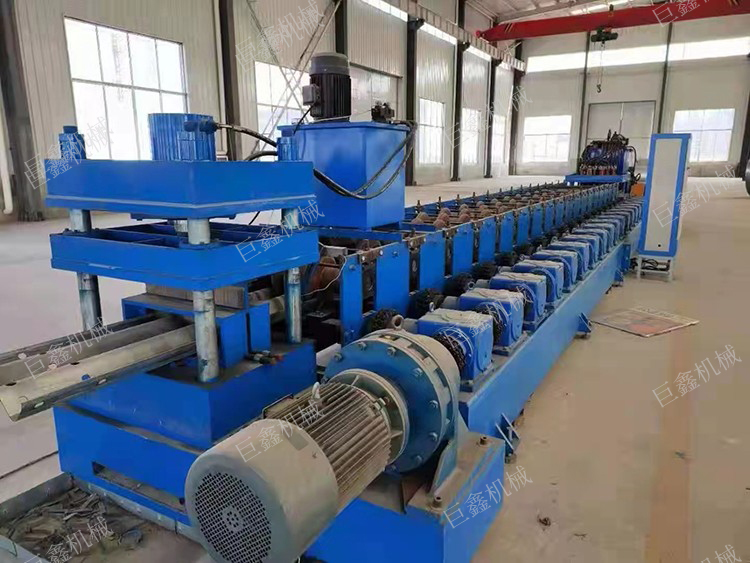
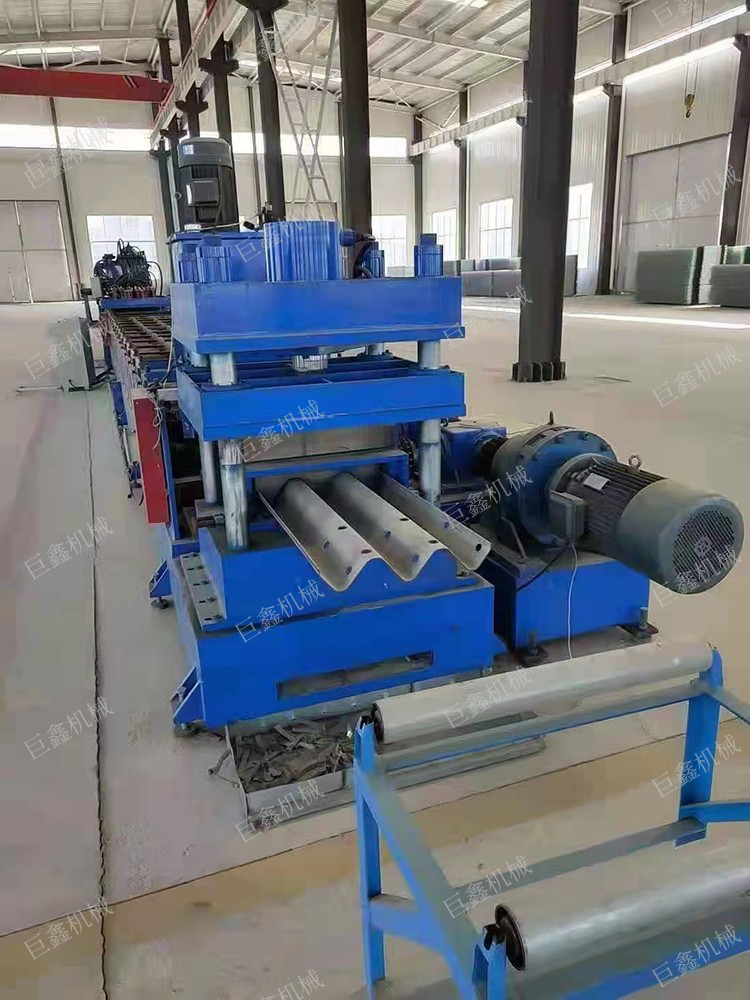
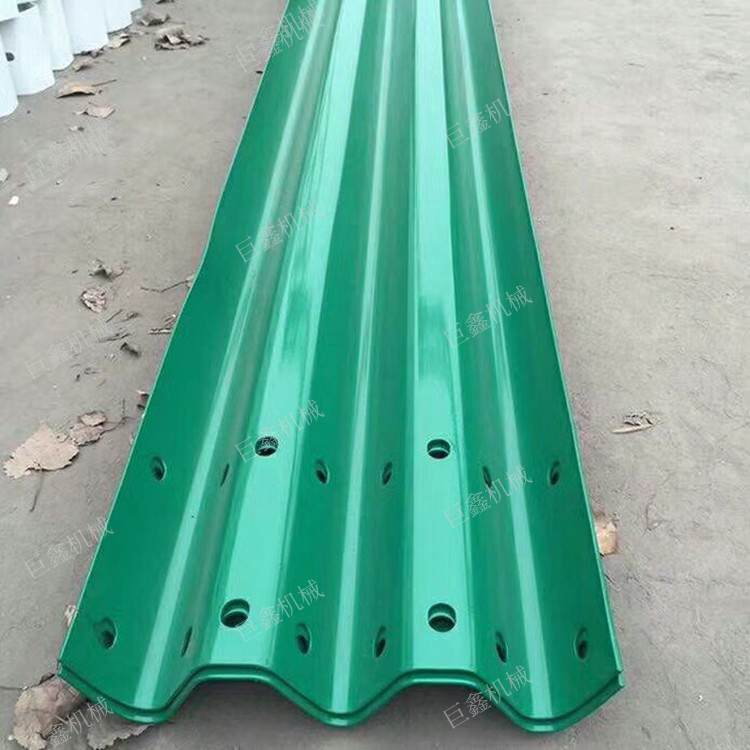
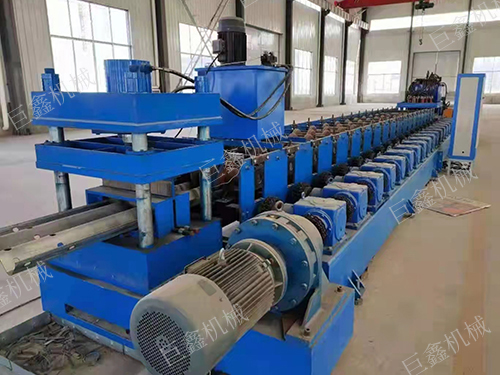
Sanbo high-speed guardrail forming machine is an integrated cold bending and rolling complete production line dedicated to road traffic safety protection components. It continuously processes flat galvanized steel coils into three continuous corrugated structure corrugated guardrail beams and plates relying on metal progressive cold bending deformation process at room temperature. The finished products rely on multiple corrugated sections to improve bending performance and collision energy absorption capacity. It is mainly used for safety fences in high-risk sections such as steep slopes, sharp turns, bridges, cliffs, and can also be used for the production of anti-collision isolation facilities in first-class highway, main roads in parks, and large parking lots. It is the core heavy processing equipment for the industrial batch production of traffic safety and prevention infrastructure.
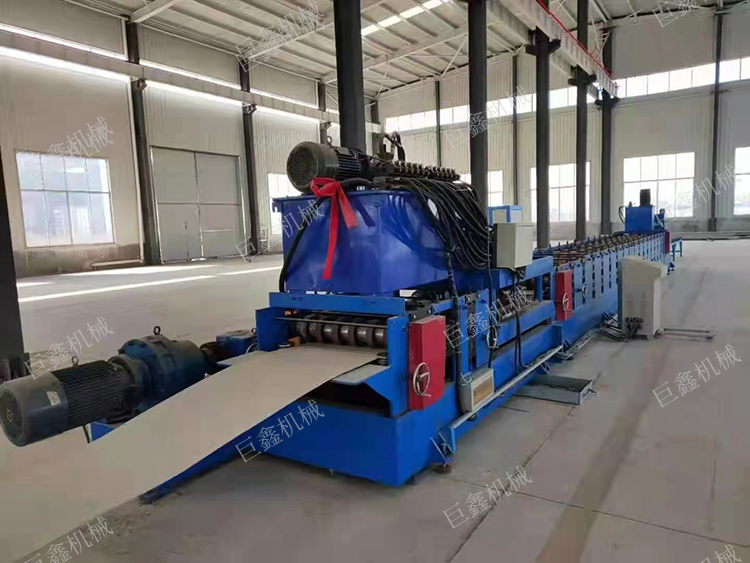
The entire equipment adopts pure physical cold processing technology throughout the process, without high temperature heating, which will not damage the mechanical strength of the steel substrate and the surface hot-dip galvanized anti-corrosion coating. Q235, Q345 carbon steel plate, galvanized steel strip, aluminum zinc alloy plate and other commonly used steel materials in engineering can be stably processed. The complete production line is divided into multiple independent linkage modules in series according to the process. The complete operation process includes raw material unwinding, plate leveling, servo precision punching, multi pass roll forming, hydraulic flying saw cutting, and finished product discharge and stacking. Each link is coordinated and scheduled by the electronic control system to achieve uninterrupted closed-loop automated continuous production.
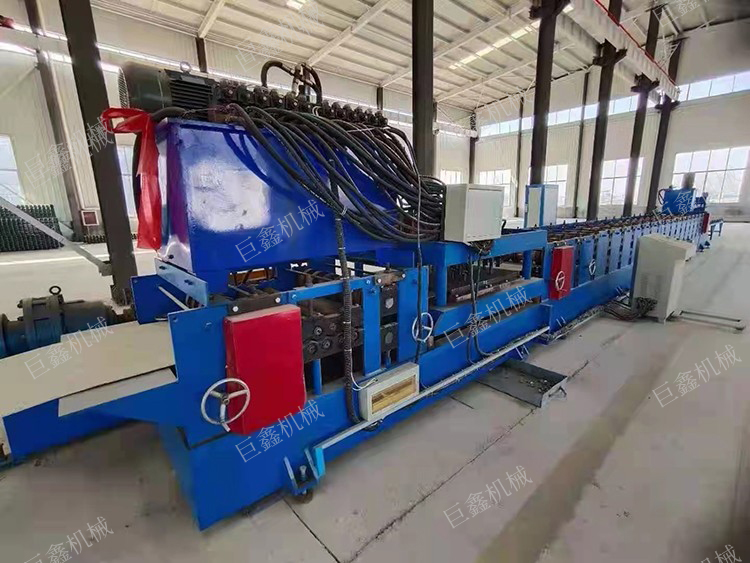
The raw steel coil is placed on a hydraulic tension type unwinding bracket, and the strip is smoothly released by a braking device to avoid problems such as looseness, deviation, and uneven tension during the unwinding process. The strip is fed into a leveling unit with a seven roll to eleven roll structure, and the arc-shaped internal stress and surface wave deformation of the coil are eliminated through the staggered arrangement of pressure rollers, ensuring that the sheet entering the subsequent process is completely straight and avoiding defects such as surface distortion and asymmetric ripples after forming from the source. After leveling, the board enters the servo punching station. The high-power hydraulic punching mechanism punches fixed elliptical bolt holes for column splicing on both sides of the board according to the standard spacing. The positioning accuracy of the punching mold is stable, and the hole spacing consistency is good, providing a precise assembly reference for the later on-site assembly of the guardrail.
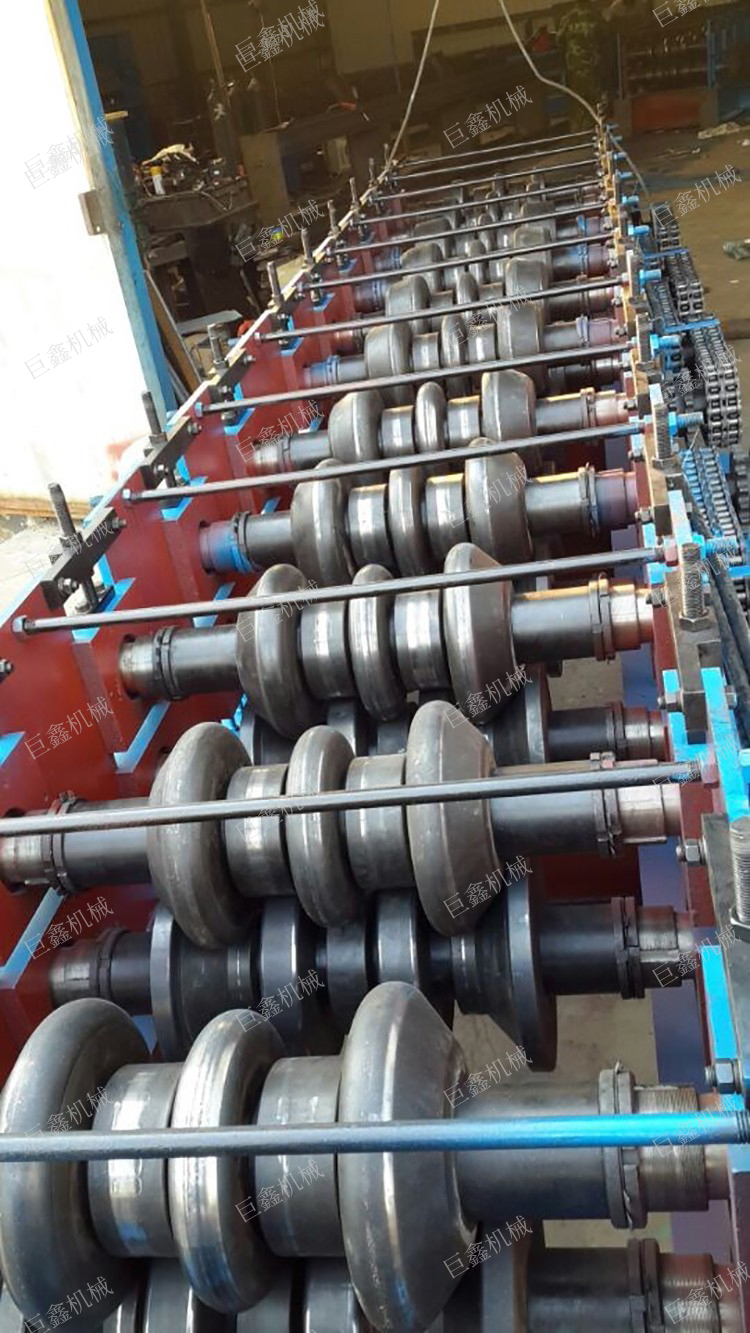
The forming host is the core unit of the entire production line. Due to the more complex bending curvature of the three wave guardrail section, the equipment is equipped with sixteen to twenty-two types of rolling mill stations. The forming logic adopts a step-by-step bending process, gradually squeezing the sheet from shallow to deep to form three standard corrugated contours, slowly releasing the internal stress caused by steel deformation, and greatly reducing problems such as sheet rebound, edge tearing, and surface coating scratches. The entire machine frame is made of thickened heavy-duty steel and welded as a whole. After welding is completed, it undergoes aging stress relief treatment to dissolve the accumulated internal stress during welding. During long-term heavy load continuous operation of the equipment, the frame will not shake, twist, or misalignment of the guide rails, ensuring consistent dimensions of ripple depth, plate width, and bending angle for a long time. The forming rollers are forged from high hardness alloy steel and undergo quenching heat treatment to improve wear resistance. Large scale rolling of thick steel plates is less prone to roller surface wear and cavity deformation. The rollers adopt a modular card installation structure. If switching plate types or grinding roller surfaces are required, the disassembly and debugging process is simple, effectively reducing downtime.
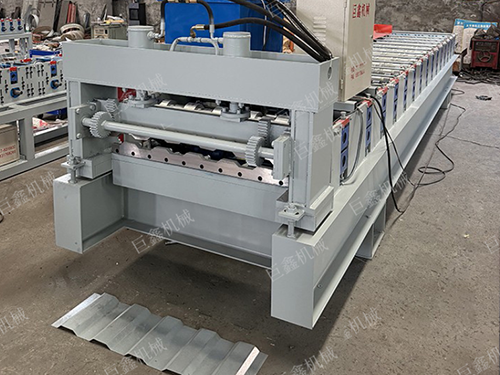
After the sheet is fully rolled and shaped, it is transported to the end cutting station. The independent hydraulic drive cutting tool holder follows the sheet to cut synchronously. The fixed length cutting process does not hinder the operation of the production line. The tool bite gap can be adjusted according to the thickness of the processed sheet, and the cut end face is flat with fewer burrs, reducing the workload of secondary polishing. The hydraulic oil system is equipped with impurity filter elements and overload automatic pressure relief protection devices. When the plate is stuck, foreign objects get stuck in the cutting edge, or the pressure is overloaded, it automatically relieves the pressure, providing protection for core components such as oil cylinders, pipelines, and cutting tools, and improving the safety redundancy of the entire machine operation. The feeding guide mechanism can adjust the limit in both directions, adapting to steel coil materials of different widths, and the material adaptation range is flexible and wide.
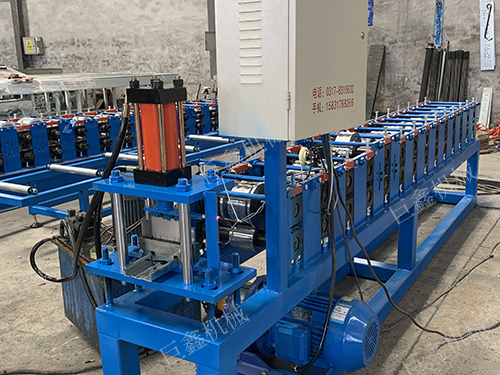
The equipment is equipped with a programmable logic controller integrated with an electronic control system, paired with a touch operated display screen and a high-precision length encoder. The operator inputs parameters such as the processing length, punching spacing, and production line running speed of a single guardrail board on the interface. The equipment can automatically complete the entire process of feeding, punching, roll forming, length detection, synchronous cutting, and mechanism reset. The control system can store multiple sets of specification parameters, and the program can be directly accessed when changing the production version, resulting in high debugging efficiency. The equipment is divided into two modes: manual jog debugging and fully automatic continuous production. During the debugging stage, the punching and forming effects are verified at low speed. During batch production, the automatic mode is turned on for continuous operation. The operation logic is clear and easy to understand, and the operators can start working after simple training. The electrical control cabinet is designed with dust-proof, moisture-proof, and shockproof protection, which can adapt to the complex working environment of heavy machinery processing workshops with high dust and high vibration, and reduce the probability of electrical component failures.
Compared to conventional double wave guardrails, the three wave structure guardrail plate has stronger structural bearing capacity. The multi wave cross-section can disperse the impact force generated by vehicle collisions, and the collision protection level is higher. Therefore, it is often used in traffic sections with strict safety requirements. In addition to the field of highway security, formed sheet metal can also be used for anti-collision fences in large factory areas, vehicle channel isolation in logistics parks, safety protection fences in mining factories, and other scenarios. It can be combined with CNC punching equipment, bending equipment, and column forming units to build a complete guardrail processing line, achieving integrated deep processing from coil cutting to the formation of the entire set of protective components, and improving the overall processing accuracy and assembly matching of products.
The daily operation and maintenance system of the equipment is mature and simple. A fully enclosed protective shell is installed outside the body to prevent metal debris and workshop dust from entering the roller transmission gear, hydraulic valve group, and electrical wiring cavity, delaying the wear and aging speed of components. All rotating, sliding, and bearing points of the entire machine are equipped with standardized lubrication nozzles. By adding gear oil and grease according to the established cycle, the smooth operation of components such as the rolling mill shaft, transmission reducer, and sliding guide rail can be ensured, reducing mechanical friction losses. The hydraulic system only needs to regularly check the cleanliness of the oil, replace the hydraulic oil and filter element on time, and continuously maintain stable power output. The overall maintenance does not require high-frequency professional maintenance, which is in line with the equipment management rhythm of heavy-duty steel structure processing plants.
The forming accuracy and punching position accuracy of road waveform guardrails directly determine the on-site installation firmness and impact buffering performance. The cold bending progressive roll forming process, with its advantages of high material utilization, strong product consistency, and high degree of automation, has become the mainstream process for large-scale manufacturing of three wave high-speed guardrail plates. This fully automatic production line for three wave high-speed guardrails relies on heavy-duty reinforced frames, multi pass precision forming roller sets, servo punching synchronous cutting mechanisms, and intelligent closed-loop electronic control systems to stably produce three wave waveform beams and slabs that meet road security standards. With a solid mechanical structure, wide steel adaptability, convenient specification switching, and low-cost long-term maintenance characteristics, it continues to play a key role in the manufacturing of road traffic security components, municipal infrastructure processing, and other industries, providing reliable heavy equipment support for the industrial mass production of supporting plates for highway safety protection systems.