
You are here:HOME > PRODUCT > Single layer tile press machine >
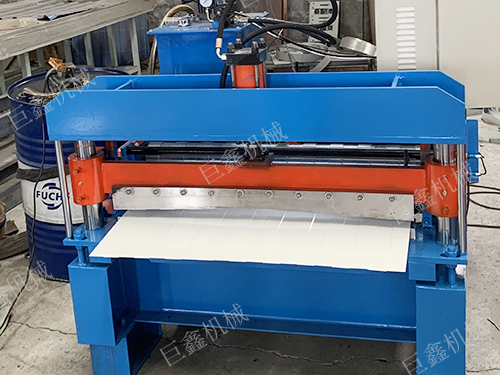
980 type bottom plate machine
13803170595

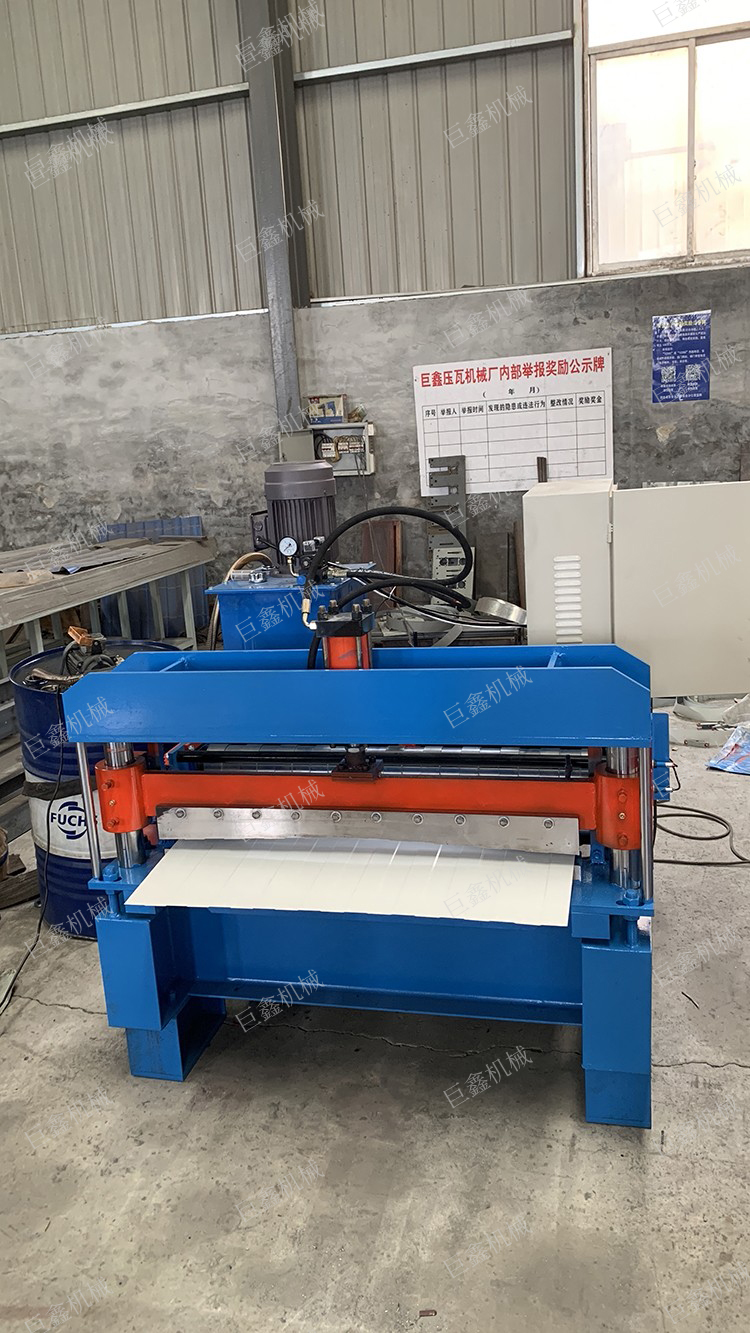
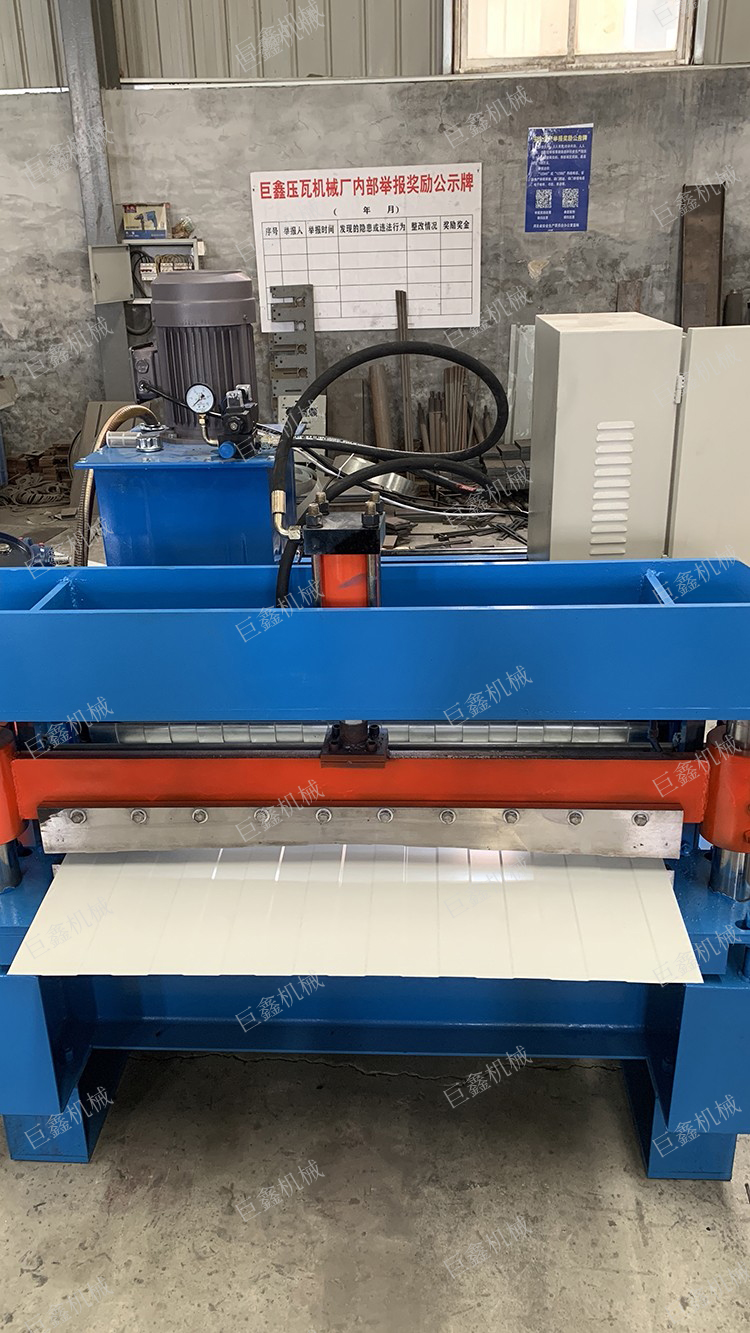
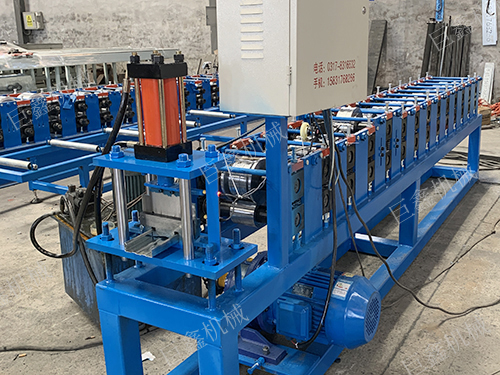
The 980 type bottom plate machine belongs to the metal cold bending roll forming industrial equipment, mainly used for continuous bending and shaping of roll shaped raw materials such as color coated steel plates, galvanized steel plates, aluminum alloy sheets, etc., to produce 980 specification enclosure bottom plate plates. The formed plates are mostly used for steel structure building interior wall lining plates, ceiling bottom plates, composite insulation board base layers, and small prefabricated building enclosure structures. They are widely used in the interior decoration and structural lining construction of multi story steel structure buildings, storage warehouses, and industrial park supporting buildings. The equipment has been optimized according to cross-border export standards, with a focus on systematic upgrades for long-distance sea transportation, different regional power supply systems, and diverse outdoor operating environments. It can smoothly adapt to the installation and long-term continuous operation needs of construction sites in multiple parts of the world.
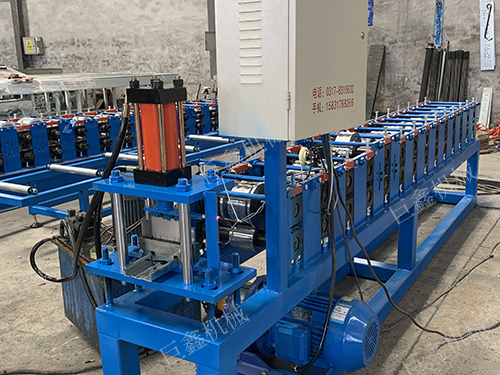
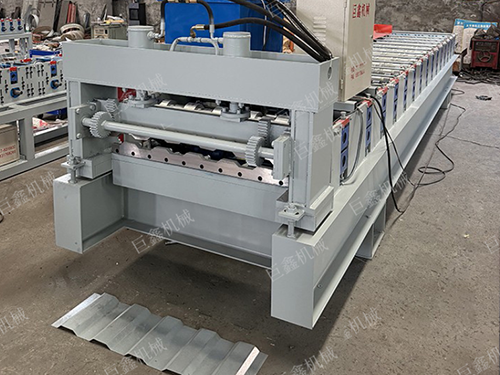
The whole machine adopts a modular split structure, which is divided into five independent functional modules after disassembly: coil feeding support frame, plate leveling guide mechanism, main machine roll forming assembly, hydraulic fixed length cutting unit, and independent electrical control box. The most prominent function of modular design is to reduce the loading volume of containers. Each component can be packaged and fixed separately, effectively reducing problems such as frame deformation and component damage caused by collision, compression, and lifting during ocean transportation. After the equipment arrives at the site of use, the operator only needs to follow the assembly instructions to complete the module alignment and splicing, tighten the anchor bolts and connect the pipeline lines to complete the assembly. The practical technical requirements for on-site assembly personnel are relatively low, and it is suitable for the installation conditions of overseas simple factories and outdoor temporary processing sites. The main frame of the equipment is made of thickened steel and welded together. All welding joints are polished and leveled, and multiple layers of anti-corrosion and anti rust coatings are sprayed on the outside. It can maintain stable structure in the face of high salinity and humid coastal air, dusty production workshops, and outdoor working conditions with large temperature fluctuations between day and night. Long term uninterrupted operation is not easy to cause frame loosening, paint peeling, rust and aging.
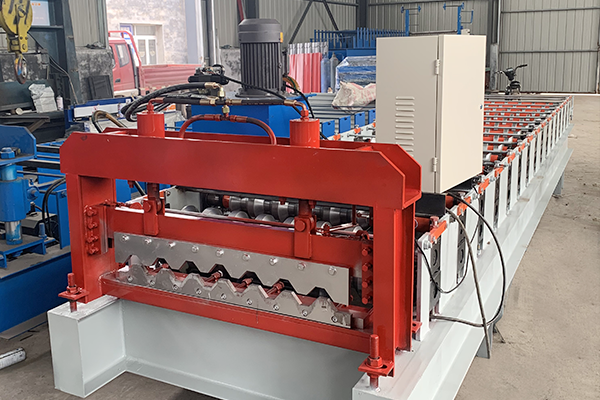
The core forming roller assembly is a key component to ensure the regularity of the 980 version. The roller body is precision machined by a lathe and surface hardened with chrome plating treatment. The roller surface is smooth and delicate, and it is not easy to scratch the protective coating on the metal coil surface. Multiple sets of forming rollers are arranged in a progressive bending logic, gradually changing the cross-sectional shape of the metal sheet to avoid stress concentration, surface cracking, coating peeling, and other phenomena caused by a single large angle bending. After multiple rounds of roll molding, the finished bottom plate maintains a high degree of uniformity in ripple spacing, bending depth, and surface flatness. The overlapping and splicing of the plates are smooth, and the overall fit after laying is good, providing a smooth and reliable base carrier for subsequent insulation and decorative layers. The entire set of rollers is driven by a reducer and a high-strength synchronous chain, with transmission clearance controlled within a small range. The vibration amplitude of the equipment during operation is gentle, and the noise is within a reasonable range. Long term continuous uniform feeding can also stably control the forming size and reduce specification deviation in mass production.
At the feeding end of the equipment, an independent feeding bracket and a plate leveling and correction component are set up. After the metal coil is placed in place, multiple sets of flattening rollers are used to straighten the curling curvature of the coil that comes with it at the factory, releasing the internal stress of the plate and allowing it to enter the forming track in a horizontal and straight state, effectively improving common operating faults such as material deviation, unilateral jamming, and misalignment of the forming side. The running speed of the feeding process can be flexibly adjusted according to the thickness of the raw materials and the production rhythm on site. It has good adaptability to various metal sheet coils within the conventional thickness range, and the feeding process is smooth and continuous, without easy occurrence of abnormal situations such as material blockage and jamming.
The cutting execution unit adopts a hydraulic driven cutting structure, combined with a high-precision pulse length counting device to achieve fully automatic fixed length cutting. The staff enters the length parameters required for a single bottom plate in the control panel, and the equipment automatically completes the feeding and continuous roll forming. After the sheet reaches the set size, the hydraulic knife holder automatically descends to complete the horizontal cutting. The cut section is smooth and there are no defects such as curled edges, burrs, or sheet compression depressions. The length error of the single finished product is controlled within a reasonable range, and the consistency of the batch produced sheet specifications is strong. The cut sheet automatically slides down to the discharge tray, forming a complete closed-loop automation process from feeding the coil to discharging the finished product. Only one staff member is needed to complete the coil supply and equipment operation status inspection on a daily basis, reducing the size error caused by manual operation.
The electrical control system is specially adapted and upgraded for export scenarios. The internal core electrical components are selected from internationally recognized standard accessories, supporting multi gear voltage switching and matching industrial power supply parameters from different countries and regions. This solves the problems of equipment failure to start and electrical component burnout caused by mismatched electrical compression during cross-border use. The operation control panel interface is simple and intuitive, the parameter setting logic is simple and easy to understand, and it integrates multiple safety protection functions such as motor overload protection, emergency stop, and automatic fault prompt. When problems such as plate jamming, motor load exceeding the standard, and hydraulic system pressure abnormality occur, the system will immediately automatically stop and lock, protecting the core transmission and hydraulic components from overload losses and improving the safety factor of the entire operation. The internal wiring of the equipment is arranged neatly, and the control box is equipped with a sealed protective shell, which has basic waterproof and dustproof capabilities. It can be placed in open simple workshops and outdoor processing areas for long-term stable operation.
The device has simple requirements for the landing site, only requiring a flat and hardened concrete floor to be placed and fixed, without the need to pour a special equipment foundation. After fastening the foundation, it can be directly started and put into operation. The daily maintenance process in the later stage is convenient, just need to regularly add lubricating grease to the transmission chain and bearing rotation points, clean the metal debris and floating dust accumulated on the surface of the rolling mill, and check the sealing status of the hydraulic pipeline. The disassembly and replacement steps of vulnerable parts are simple, making it easy for overseas users to independently complete routine maintenance and accessory replacement.
The 980 type bottom plate is a commonly used pattern for the internal base layer of steel structure buildings. This export version bottom plate machine is optimized around four core directions: ease of disassembly and assembly for ocean logistics, compatibility with electricity in multiple countries, durability in complex environments, and high-precision sheet forming. It relies on mature and stable cold bending forming technology to continuously produce standardized enclosure bottom plates, providing reliable equipment support for the automated processing of building materials for overseas prefabricated steel structure buildings, and meeting the actual needs of large-scale production of building enclosure panels in various regions.
This is a cold bending equipment designed for producing color steel wall panels and roof panels. The whole machine, PLC computer control system, and products have the characteristics of light weight and heavy load-bearing capacity, and are widely used in the multi story steel structure construction industry.
It has a simple mechanical structure, does not require complex roller changing and control systems, and has low maintenance costs in the future.
Advantages: The structure is sturdy, the performance is stable, the core rolling mill has a long service life, and it performs well in continuous production of a single plate type.
Mechanical transmission: Usually driven by a gearbox, it has good synchronization, smooth operation, and a relatively low failure rate.
No need for specialized technicians: Control systems are usually simple relays and counters that can be independently operated by ordinary workers after brief training, with low personnel requirements.
Easy debugging: Once the debugging is completed, there is almost no need to adjust it again for daily production, and it can be started up for production.
Small footprint and flexible layout
The overall length of the equipment is relatively short, and the space requirements for the production workshop are not high. It can even be installed and produced in a smaller area.