
You are here:HOME > PRODUCT > Single layer tile press machine >
760 angle galloping tile press machine for high-altitude use
13803170595

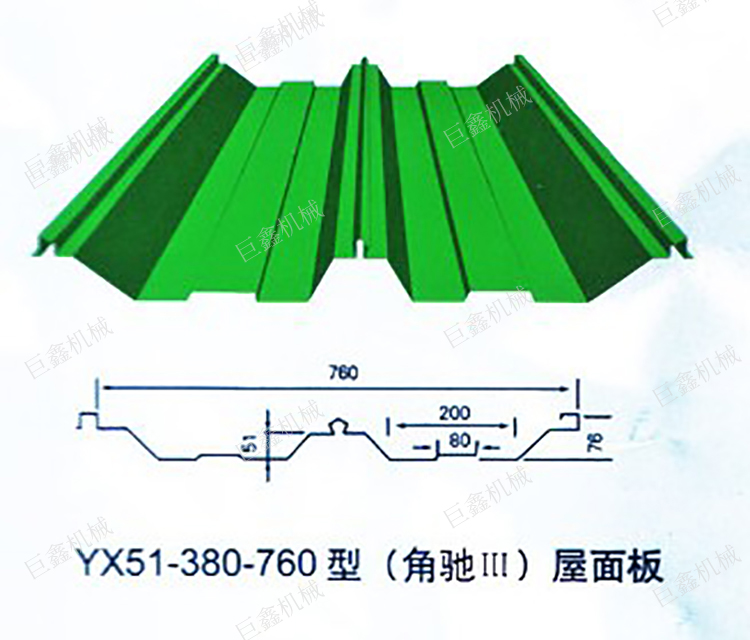
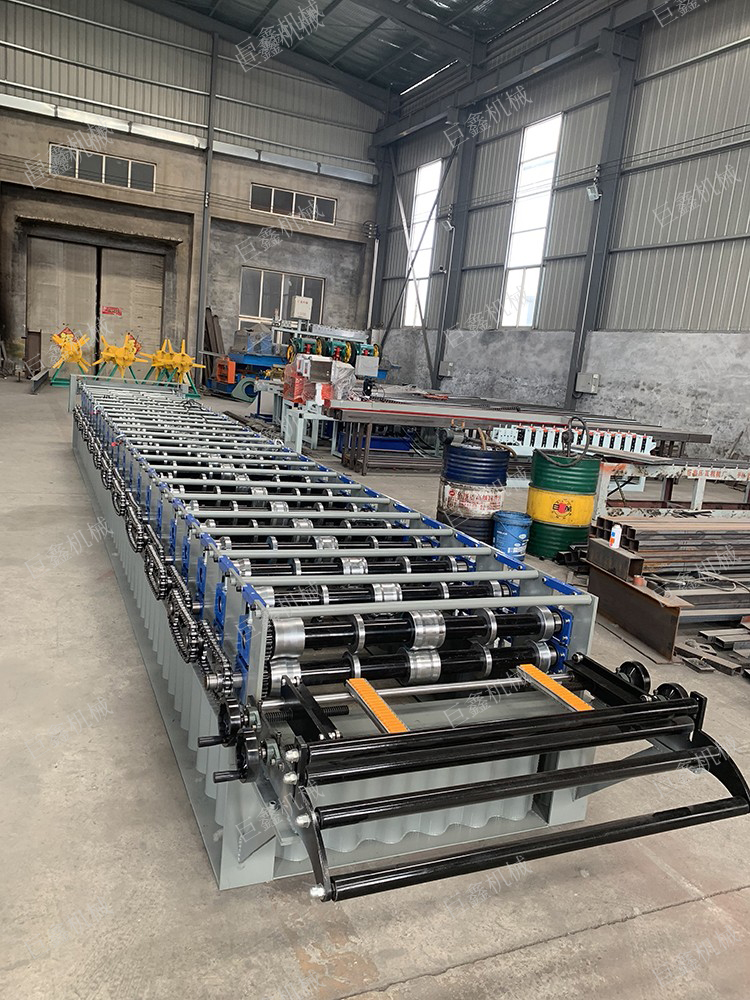
The high-altitude dedicated 760 type corner bending tile press belongs to the concealed roof panel cold bending forming equipment. It relies on multiple sets of rollers to gradually bend metal coils and process 760 specification corner bending roof panels. The board adopts a concealed interlocking method without exposed screws, which has excellent waterproof and sealing performance. It is widely used in the construction of large-span steel structure venues, large factories, logistics centers, high-speed railway stations and other large building roofs. This device is specially optimized for high-altitude mobile operation scenarios on roofs, and completes electrical, disassembly, and stability upgrades according to export standards. It also takes into account two operation modes: ground prefabrication and direct high-altitude forming of roofs, and is suitable for cross-border transportation and on-site construction conditions of large-scale steel structure projects overseas.
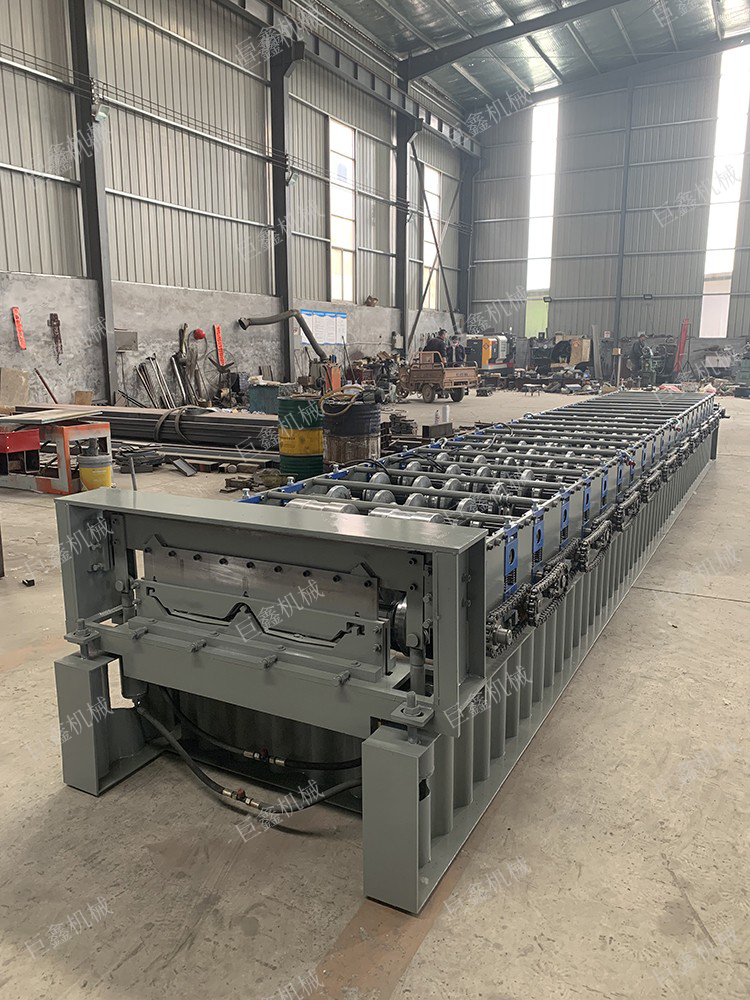
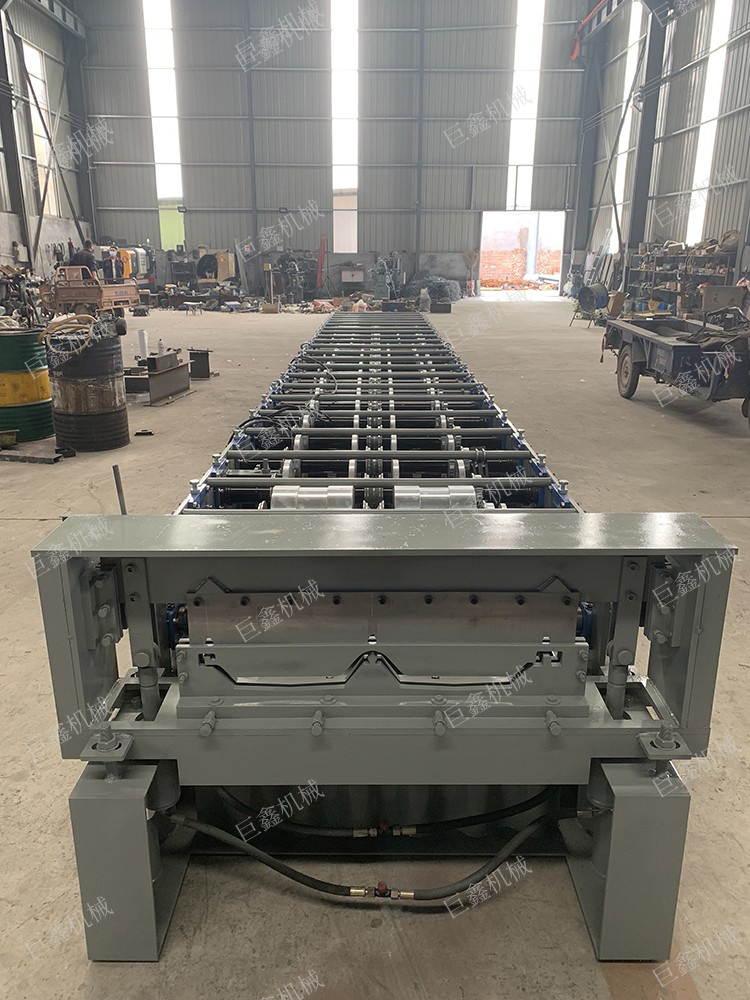
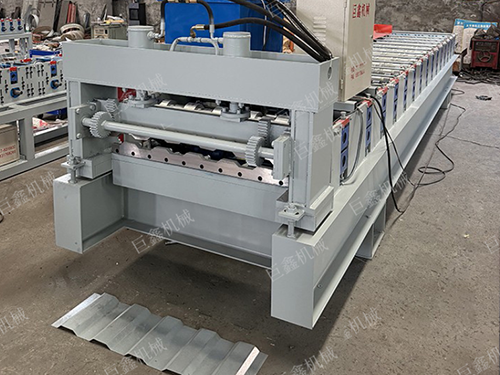
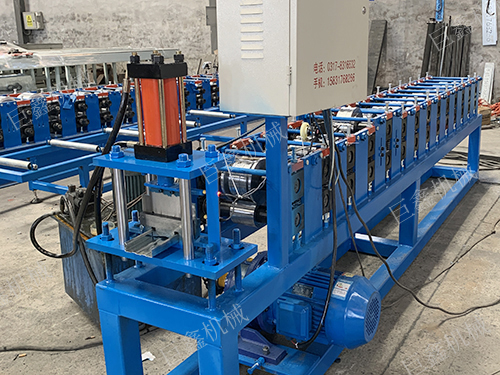
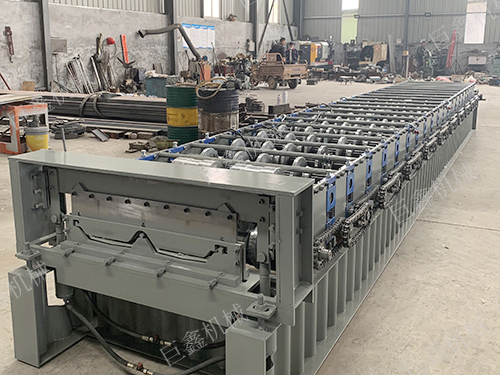
The whole machine adopts a lightweight reinforced modular split architecture, which is divided into five independent modules: coil feeding rack, plate leveling guide mechanism, main machine forming roller assembly, hydraulic cutting unit, and sealed electrical control box. Compared to conventional landing models, the high-altitude version optimizes the weight distribution of the aircraft while ensuring structural rigidity. The overall center of gravity is lower, making it easier for forklifts to transport and cranes to the roof construction platform. The split structure can also be disassembled and lifted in sections, adapting to the limited lifting channels and work spaces on building roofs. After disassembly, each module can be independently packaged and boxed, greatly reducing the loading volume of the container and reducing the risk of frame deformation and roller damage caused by collision and compression during ocean transportation. After the equipment is lifted to the designated location on the roof, the operator completes the splicing and fastening, pipeline and line docking according to the assembly instructions before putting it into use. The assembly process is simple and effectively controls the difficulty of operation for high-altitude workers. The equipment frame is welded with thickened steel, and the welds are polished and rust removed. The entire structure is coated with multiple layers of anti-corrosion and wear-resistant coatings, which can cope with harsh working conditions such as outdoor wind and sun exposure, large temperature differences between day and night, and high dust. Long term high-altitude continuous operation is not prone to problems such as frame shaking, rust, and loose connection parts.
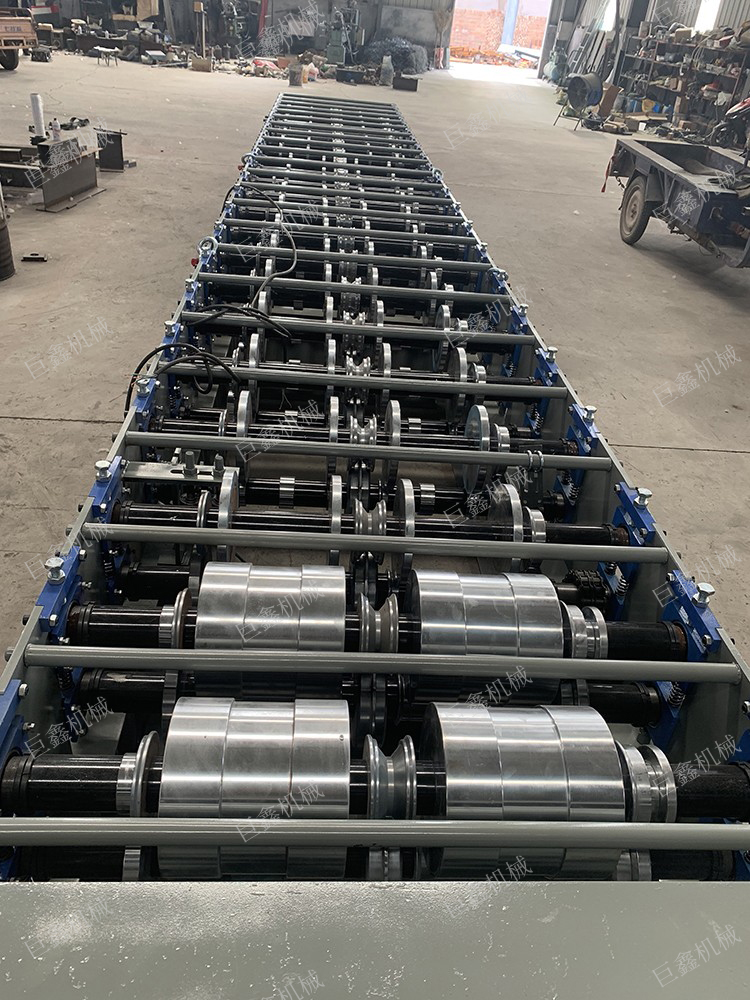
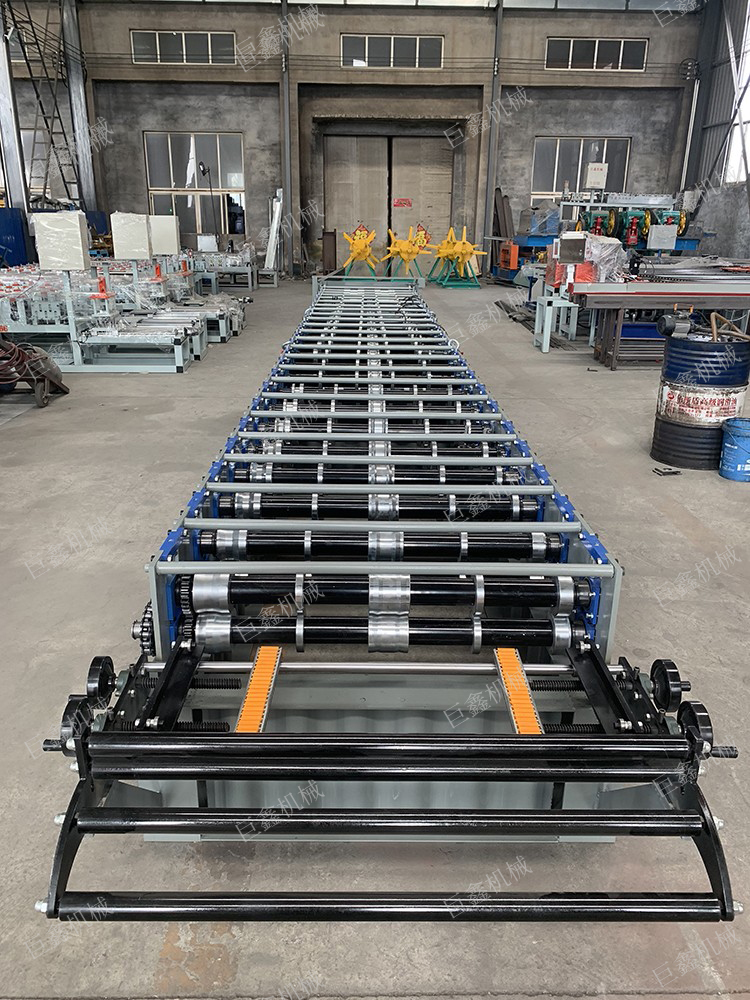
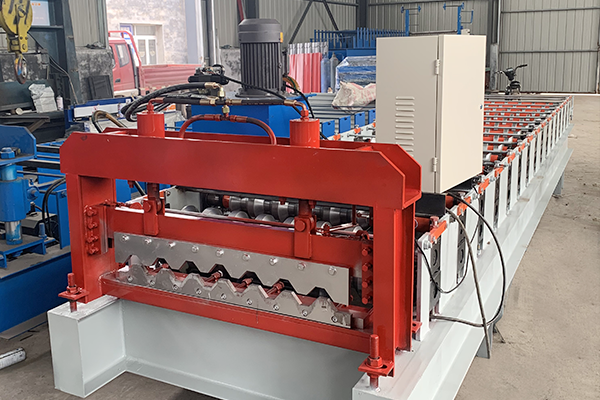
The core forming rolling mill set is a key component to ensure the standard of the 760 degree hidden buckle plate. The rollers have undergone precision machining and surface hardening treatment, and the surface of the roller body is smooth. The rolling process will not damage the surface protective layer of the color coated plate, galvanized plate, and aluminum magnesium manganese plate. The multi pass rolling mill follows the principle of step-by-step progressive bending, gradually shaping the wave crest curvature and side buckle interlocking structure of the plate, avoiding problems such as stress cracking, coating peeling, and plate springback deformation caused by excessive bending force in a single step. After being molded by the entire rolling system, the finished product has uniform buckle size, effective coverage width, and surface flatness height. The panels are embedded and interlocked, and the roof is fully covered with overlapping gaps to reduce rainwater infiltration paths. The entire set of rollers is smoothly driven by a reducer and a synchronous chain, with small transmission clearance and low vibration amplitude during equipment operation. Even when placed on a non absolutely flat platform on the roof, it can maintain a uniform and stable feeding speed, and strictly control the dimensional errors of batch board forming.
The feeding end is equipped with a simple and compact feeding bracket and a plate leveling and correction device. After the installation of the coil is completed, multiple sets of pressure wheels are used to correct the curling stress of the coil, allowing the plate to enter the forming track straight and effectively avoiding faults such as material deviation, jamming, and edge forming misalignment that are prone to occur in high-altitude working environments. The operating speed of the equipment can be flexibly adjusted according to the on-site construction rhythm, with good adaptability to conventional thickness metal coils, smooth feeding, reduced frequency of high-altitude shutdown maintenance, and improved continuity of roof construction.
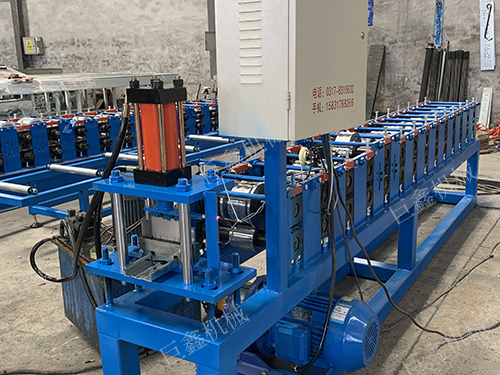
The cutting system adopts a compact hydraulic cutting structure, combined with a high-precision pulse counting device to achieve automatic fixed length cutting. The staff sets the length of a single sheet on the control panel, and the equipment automatically completes feeding and roll forming. After reaching the set size, the hydraulic knife holder smoothly cuts, and the cut is smooth without burrs, curled edges, and extrusion deformation. The length error is controlled within a reasonable range, and the finished product automatically slides to the simple material receiving bracket. The entire set of feeding, forming, cutting, and discharging is fully automatic closed-loop operation. During high-altitude operations, only one staff member is needed to be on duty to supply the rolls, reducing the safety hazards caused by multiple people working together.
The electrical control system is optimized for dual scenarios of export and high altitude. The core electrical components are selected from internationally recognized models, supporting multi gear voltage switching, matching different national industrial power supply standards, and solving the problem of voltage mismatch in cross-border use. The control box is equipped with a high-strength sealed protective shell, which has good waterproof, dustproof, and anti vibration capabilities, and is suitable for outdoor work environments such as roofs and strong winds and dust. The system integrates motor overload protection, emergency stop, fault self check prompt and other protective functions. Once there is jamming, abnormal load, hydraulic pressure exceeding the standard and other situations, the machine will be immediately stopped and locked to avoid component damage caused by equipment malfunction and improve the safety guarantee of high-altitude operations. Internal wiring is reinforced and bundled to resist pulling and shaking during lifting and transportation, resulting in a lower failure rate of the wiring.
High altitude aircraft have simple requirements for placing foundations. They only need a steel structure platform on the roof or a temporary hardened load-bearing platform to level and fix the feet, and do not need to pour fixed foundations. The transition is flexible, and a building can be lifted as a whole to the next construction site for reuse after construction. The daily maintenance content is simple. Regularly add lubricating grease to the transmission chain and bearings, clean the dust and metal debris on the surface of the rolling mill, check the sealing of the hydraulic pipeline joints, and easily disassemble vulnerable parts for quick on-site maintenance.
The 760 corner car version is widely used on the roofs of large public buildings due to its excellent waterproof performance and large-span adaptability. This high-altitude export version 760 angle galloping tile press machine is deeply optimized around four key points: lightweight roof lifting and transportation, high-altitude operation stability, multi country voltage compatibility, and ocean separation and transportation. It relies on mature and stable cold bending forming technology to directly produce standard concealed roof panel materials on the construction roof, eliminating the process of prefabricating secondary lifting panels on the ground, reducing the comprehensive cost of large-scale steel structure roof construction, and providing efficient and reliable on-site processing equipment for overseas large-span prefabricated building roof projects.
Process: feeding → leveling → guiding → continuous cold bending forming → fixed length cutting
Unloading and unwinding: The hydraulic unwinding machine carries the steel coil and smoothly discharges the material.
Plate leveling: By using a leveling machine to eliminate the curling stress of the steel coil, it is confirmed that the plate entering the forming machine is properly leveled.
Guided feeding: The guiding device confirms that the sheet is aligned and smoothly enters the forming host.
Fine forming: The flat steel plate is gradually cold-formed into the designed closed or open plate shape through more than ten (or more) finely arranged rollers.
Fixed length cutting: After forming, the continuous strip is measured in detail by an encoder or PLC, and when it reaches the set length, it is cut by hydraulic pressure.